Public Domain Literature and Its Impact on Authors
In the ever-evolving world of literature, the concept of the public domain stands as a pivotal element. It encompasses works whose copyrights have expired, making them freely accessible to the public. This shift from private ownership to public availability can have profound implications for authors. This article delves into the impact of the public domain on authors, the significance of public domain literature, and its role in shaping the literary landscape.
The public domain represents a vast repository of creative works that are free from the constraints of copyright protection. This means anyone can use, distribute, or modify these works without the need for permission or the payment of royalties. The scope of the public domain is extensive, embracing a wide array of creative materials, including books, music, films, and artworks.
How Works Enter the Public Domain
Works transition into the public domain through multiple pathways. The most prevalent is the expiration of copyright protection, which varies by jurisdiction. In the United States, for instance, works published before 1923 are typically in the public domain, while those published after 1923 enjoy protection for the life of the author plus an additional 70 years. This gradual transition ensures a steady influx of works into the public domain, enriching the cultural commons.
Authors can also proactively choose to release their creations into the public domain, relinquishing any copyright claims. This intentional act allows their works to be freely used and shared, potentially reaching a wider audience and fostering a sense of communal ownership. Such decisions can be driven by a desire for wider dissemination, cultural impact, or philosophical beliefs about intellectual property.
Another pathway involves works created by government employees as part of their official duties, which are automatically placed in the public domain. This provision ensures that such works are readily available for public use, contributing to transparency and civic engagement. The combination of these pathways underscores the dynamic and multifaceted nature of the public domain.
Legal Framework and Implications
The legal framework governing the public domain is intricate, with variations across countries and regions. International treaties, such as the Berne Convention, establish baseline standards for copyright protection, but individual countries may implement these standards differently. This complexity can create challenges for authors seeking to understand when their works will enter the public domain and how they will be treated globally.
Understanding the legal implications of the public domain is crucial for authors and creators. It affects decisions about licensing, distribution, and the potential for derivative works. Authors must navigate this legal landscape to make informed choices about their intellectual property and its future trajectory.
Cultural and Economic Impact
The cultural and economic impact of the public domain is significant. Culturally, it democratizes access to creative works, allowing individuals from diverse backgrounds to engage with literature, art, and music without financial barriers. This accessibility fosters a shared cultural heritage and promotes lifelong learning and curiosity.
Economically, the public domain can stimulate innovation and creativity by providing a foundation for new creations. Entrepreneurs and creators can build upon existing works, creating new products, services, and experiences that drive economic growth. The public domain thus serves as a catalyst for both cultural enrichment and economic vitality.
The Benefits of Public Domain for Authors
The public domain offers a range of benefits for authors, particularly for those whose works have transitioned into this realm.
Increased Accessibility and Reach
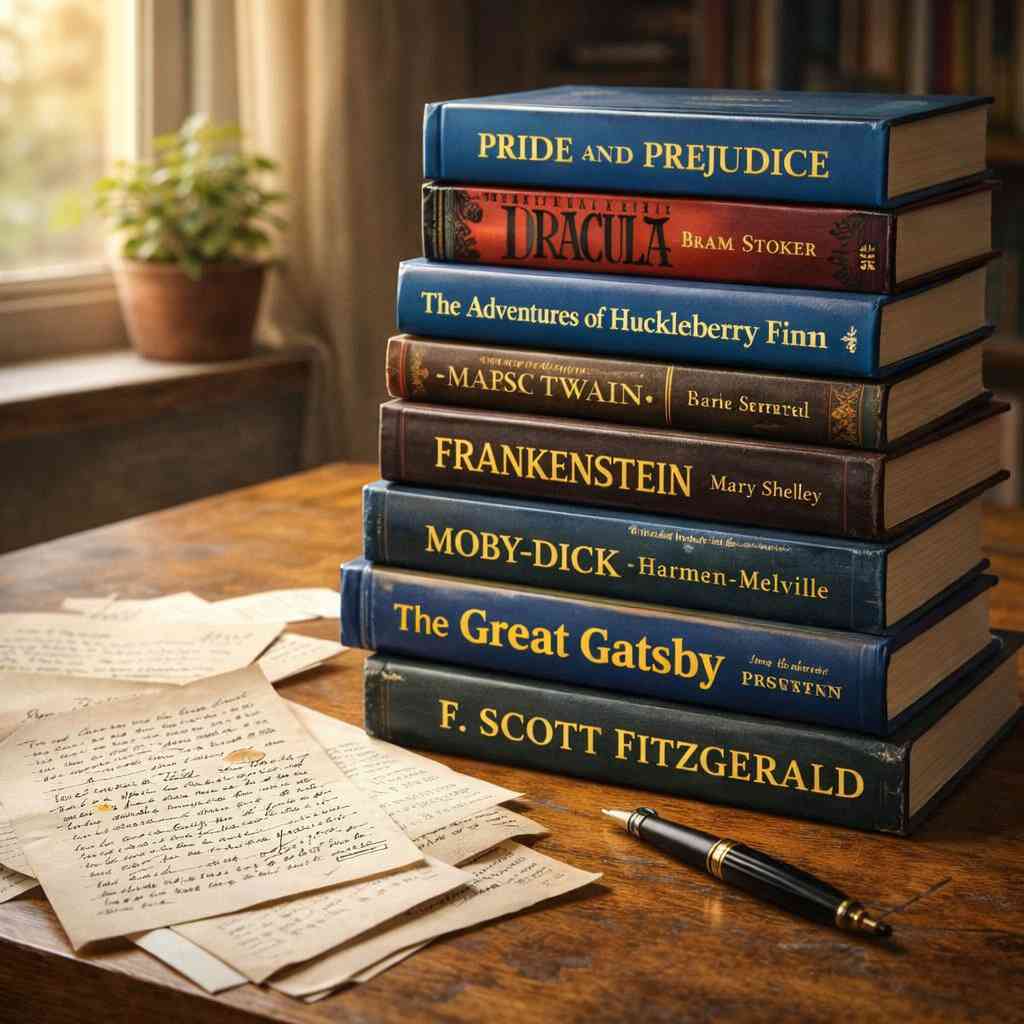
When a work enters the public domain, it becomes accessible to a broader audience, transcending geographical and economic barriers. Classic literature, such as “Pride and Prejudice” by Jane Austen or “Moby Dick” by Herman Melville, is now available for free as ebooks and on platforms like Project Gutenberg. This accessibility introduces new readers to these timeless tales, ensuring that the works remain vibrant and relevant.
The widespread availability of public domain works also facilitates educational initiatives. Schools and libraries can incorporate classic literature into their curricula without incurring costs, enriching students’ learning experiences. This accessibility empowers educators to expose students to a diverse range of literary voices and perspectives.
Furthermore, increased accessibility can revitalize interest in an author’s entire body of work. Readers who discover a public domain work may seek out the author’s other creations, fostering a renewed appreciation for their contributions to literature. This ripple effect can enhance an author’s legacy and influence.
Inspiration for New Creations
Public domain works often serve as a fertile foundation for new creations, igniting the imaginations of contemporary authors. These works can be adapted, remixed, and built upon without legal restrictions, offering a wellspring of creative possibilities. Authors can explore new narratives, themes, and characters, breathing fresh life into classic tales.
For instance, many writers have reimagined iconic stories, creating new novels, films, and plays that draw inspiration from public domain literature. This practice not only keeps the original works relevant but also offers fresh perspectives and creative possibilities. By engaging with the past, authors can craft innovative and thought-provoking works that resonate with modern audiences.
In addition to narrative adaptations, public domain works can inspire cross-media explorations. Filmmakers, artists, and musicians can reinterpret classic literature through visual art, theater, and music, resulting in dynamic and interdisciplinary collaborations. These creative endeavors contribute to a vibrant cultural ecosystem that celebrates the interplay between tradition and innovation.
Opportunities for Community and Collaboration
The public domain facilitates opportunities for community engagement and collaboration among creators. Authors can collaborate with other artists, musicians, and filmmakers to reinterpret public domain works in novel ways. These collaborative projects often lead to the creation of multimedia experiences that captivate diverse audiences.
Community-driven initiatives, such as public readings, performances, and literary festivals, can celebrate public domain works and foster a sense of shared cultural heritage. These events provide platforms for authors to connect with readers, exchange ideas, and participate in dialogues about the enduring relevance of classic literature.
Moreover, the public domain encourages the formation of online communities and fan cultures dedicated to exploring and reimagining classic works. These communities offer authors valuable feedback, support, and inspiration as they embark on creative journeys. The spirit of collaboration and community enriches the literary landscape and strengthens the bonds between creators and audiences.
Challenges Faced by Authors
Despite the advantages, the public domain also presents challenges for authors, particularly those whose works have recently entered this status.
Loss of Control and Revenue
When a work enters the public domain, the original author loses control over its use, as others can reproduce and distribute the work without the author’s consent. This loss of control can be unsettling for authors who are protective of their creations and invested in their legacy. The potential for unauthorized adaptations or alterations can raise concerns about the integrity and authenticity of the work.
In addition to the loss of control, authors no longer receive royalties from the sale or use of their public domain works. This loss of revenue can be significant, especially if the work remains popular and widely distributed. For authors who rely on royalties as a source of income, this transition can pose financial challenges and impact their ability to sustain their creative endeavors.
Authors must also grapple with the implications of losing control over the narrative surrounding their work. Public domain status can lead to diverse interpretations and adaptations, some of which may diverge from the author’s original vision. This dynamic can prompt discussions about artistic intent, authorship, and the evolving relationship between creators and their creations.
Competition with Free Versions
Authors of works that have entered the public domain may face competition from free versions, which can impact their earnings and visibility in the literary market. Readers might opt for the free public domain edition rather than purchasing a newer, royalty-generating version. This competition can affect an author’s overall marketability and the commercial viability of their other works.
The proliferation of free versions can also create challenges for publishers and booksellers, who must navigate the complexities of offering both free and paid editions. This dynamic can influence marketing strategies, pricing models, and distribution channels, as stakeholders seek to balance accessibility with profitability.
Moreover, competition with free versions can prompt authors to explore alternative revenue streams and creative strategies. Some authors may offer enhanced or annotated editions that provide added value to readers, while others may focus on cultivating a loyal fanbase through engagement and interaction. These approaches require adaptability and innovation in a rapidly changing literary landscape.
Navigating Intellectual Property in a Global Context
Authors must navigate the complexities of intellectual property rights in a global context, as public domain status can vary by jurisdiction. This variability can create challenges for authors seeking to understand the legal status of their works in different countries and regions. Authors must stay informed about international copyright laws and treaties to make informed decisions about their intellectual property.
Globalization and digital distribution have further complicated the landscape, as works can be accessed and shared across borders with ease. Authors must consider the implications of their works being available in diverse cultural and legal contexts, and how these dynamics may affect their creative and commercial endeavors.
In this interconnected world, authors must also engage with issues of cultural appropriation, representation, and diversity. As public domain works inspire new creations, authors have the opportunity to contribute to inclusive narratives and address social and cultural themes that resonate with global audiences. This engagement requires sensitivity, awareness, and a commitment to ethical storytelling.
The Role of Public Domain in Literary Culture
Public domain literature plays an essential role in shaping literary culture, providing a shared foundation of stories, ideas, and themes that continue to influence writers and readers alike.
Preserving Classic Works
Public domain ensures that classic literature remains accessible and preserved for future generations. Without copyright restrictions, these works can be freely distributed, archived, and shared across various platforms, ensuring their longevity and cultural significance. Preservation efforts by libraries, archives, and digital platforms contribute to safeguarding the rich tapestry of literary history.
The preservation of classic works is vital for maintaining the cultural and historical significance of these stories. By keeping these works accessible, the public domain fosters a sense of continuity and connection to the past. Readers can explore the literary heritage of different eras, gaining insights into the social, political, and philosophical contexts that shaped these narratives.
Preservation also extends to the preservation of diverse voices and perspectives within the literary canon. The public domain provides opportunities to rediscover and celebrate works by marginalized or underrepresented authors, enriching the cultural discourse and broadening the scope of literary appreciation.
Encouraging Innovation and Creativity
The public domain fosters innovation and creativity by allowing authors to explore and reinterpret existing works. It encourages a vibrant literary culture where new ideas can emerge from the foundations of the past. Authors can experiment with different genres, formats, and styles without the limitations imposed by copyright restrictions, leading to the creation of groundbreaking and unconventional works.
By engaging with public domain literature, authors can challenge traditional narratives and push the boundaries of storytelling. This spirit of experimentation and exploration invigorates the literary landscape, fostering a dynamic and diverse creative community. Authors can draw inspiration from the past while charting new paths for the future, contributing to an ever-evolving literary tradition.
Innovation in the public domain also extends beyond individual authors to collaborative and interdisciplinary projects. Authors, artists, musicians, and filmmakers can join forces to create immersive and multimedia experiences that captivate audiences and transcend traditional boundaries. These collaborations highlight the interconnectedness of creative disciplines and the potential for cross-pollination of ideas.
Bridging Past and Present
The public domain serves as a bridge between the past and present, connecting readers and writers across time and space. By engaging with public domain works, contemporary authors can engage in dialogues with the literary voices of the past, exploring themes and ideas that remain relevant in today’s world. This intertextuality enriches the reading experience and deepens the understanding of the human condition.
Bridging past and present also involves reimagining classic works in ways that resonate with contemporary audiences. Authors can reinterpret familiar stories through modern lenses, addressing current social, cultural, and political issues. This reinterpretation allows for a continuous conversation between literature and society, fostering critical thinking and reflection.
Furthermore, the public domain encourages the exploration of timeless themes and universal truths that transcend historical and cultural boundaries. By engaging with these themes, authors can craft narratives that speak to the shared experiences and aspirations of humanity, fostering empathy, understanding, and connection.
Notable Public Domain Works
Several classic books and stories are now in the public domain, offering readers a wealth of literary treasures to explore.
List of Public Domain Books
- “Pride and Prejudice” by Jane Austen
- “Moby Dick” by Herman Melville
- “The Adventures of Sherlock Holmes” by Arthur Conan Doyle
- “Dracula” by Bram Stoker
- “The Great Gatsby” by F. Scott Fitzgerald
Read your favourite classics for free via our digital library Read Now |
These public domain novels continue to captivate readers and inspire new generations of writers. The enduring appeal of these works lies in their exploration of universal themes, memorable characters, and compelling narratives that resonate across time and cultures.
The availability of these classic works in the public domain allows readers to engage with iconic stories without financial barriers. Readers can access these novels through various platforms, including digital libraries, print editions, and audio formats, ensuring that these literary treasures remain accessible to diverse audiences.
Moreover, public domain works provide a foundation for literary scholarship and academic study. Scholars can analyze, interpret, and critique these works without legal restrictions, contributing to a deeper understanding of their cultural and historical significance. This scholarly engagement enriches the academic discourse and enhances the appreciation of classic literature.
Adaptations and Reimaginings
Public domain stories often inspire adaptations and reimaginings in various media, breathing new life into classic tales. From films and television shows to graphic novels and stage plays, these adaptations engage contemporary audiences and introduce iconic stories to new generations.
For example, the character of Sherlock Holmes has been reimagined countless times in modern adaptations, keeping the detective’s legacy alive and relevant. These adaptations highlight the enduring appeal of Holmes’ deductive prowess and intellectual curiosity, while also exploring contemporary themes and issues.
Adaptations and reimaginings also provide opportunities for creative experimentation and innovation. Authors and creators can reinterpret classic narratives through diverse cultural perspectives, exploring themes of identity, belonging, and social justice. This creative engagement enriches the cultural landscape and fosters a deeper appreciation of the complexity and richness of human experiences.
Collaborative adaptations, such as theater productions and multimedia projects, further expand the possibilities for reimagining public domain works. These collaborative efforts bring together artists from different disciplines to create immersive and dynamic experiences that captivate audiences and celebrate the intersection of tradition and innovation.
Conclusion
The impact of the public domain on authors is multifaceted, offering both opportunities and challenges. While it provides increased accessibility and inspiration for new creations, it also poses issues of control and revenue loss. Nevertheless, public domain literature plays a vital role in preserving classic works and encouraging creativity within the literary community.
As readers, we can appreciate the wealth of public domain literature available to us, exploring timeless stories and discovering new interpretations. For authors, the public domain offers a canvas for innovation, allowing them to build upon the rich tapestry of literature that has come before.
By understanding the impact of the public domain, we can better appreciate its significance in the literary world and the ongoing legacy of authors whose works continue to inspire and captivate us. The public domain serves as a testament to the enduring power of literature to connect, inspire, and transform, fostering a shared cultural heritage that enriches our collective human experience.

 Previous Post
 Next Post