


Holly Jackson’s A Good Girl’s Guide to Murder is one of those rare YA mysteries that feels both sharp and page-turning, while also asking deeper questions about truth, fairness, and what “justice” really looks like when a community believes a story too quickly.
The novel blends investigation, small-town tension, and moral complexity with a voice that’s genuinely engaging—often witty, occasionally dark, and consistently driven by momentum. While the plot delivers the satisfaction mystery readers want, the story’s staying power comes from something deeper: it probes how bias, public perception, and incomplete narratives can become a substitute for truth.
If you enjoy crime fiction that explores why people believe what they believe—and what happens when assumptions harden into “facts”—this is a standout read.
Quick Overview (No Spoilers)
The case: Andie Bell, a popular local teenager, was murdered. Her boyfriend, Sal Singh, was blamed—and later died by suicide. To the town, it’s a closed case.
The premise: Pippa Fitz-Amobi (“Pip”), a high school student with a strong sense of fairness, chooses the case for her senior project. What begins as curiosity becomes an increasingly serious investigation as she uncovers contradictions, uncomfortable details, and inconsistencies that don’t fit the town’s accepted narrative.
Pip isn’t a polished detective with professional authority—she’s a determined student asking persistent questions. That’s part of what makes the story compelling: her investigation feels personal, risky, and deeply human.
What Makes This Mystery Work
A Small Town That Feels Like a Character
Jackson’s setting does a lot of heavy lifting. The town feels close-knit in the way that can be comforting—until it becomes suffocating. There’s a sense that everyone knows everyone… and that some people need the official story to stay in place.
The more Pip digs, the more the town’s polished surface starts to crack. That slow reveal of hidden histories and guarded secrets gives the novel its tension—not only because of what might be discovered, but because of what people are motivated to keep buried.
A Structure That Keeps You Turning Pages
The pacing is one of the book’s greatest strengths. Jackson consistently ends chapters with a question, a new clue, or a shift in perspective that pulls you forward. It isn’t just “what happened?”—it’s “how could the town have missed this?” and “who benefits if the truth stays hidden?”
That layered momentum creates a reading experience that feels urgent without being chaotic.
Theme Spotlight: Justice as the Pursuit of Truth
At the heart of the story is the theme of justice—but not the tidy, cinematic kind where the truth is obvious and everyone agrees.
Pip’s investigation is driven by a belief that justice requires more than a convenient conclusion. She refuses to accept “case closed” when the evidence feels incomplete. The novel suggests a difficult reality: sometimes the hardest part of justice is simply insisting on truth when the world prefers comfort.
This connects naturally to the questions raised in Day 16 (Why Humans Crave Justice), especially the idea that readers are often drawn to crime stories because they want moral order restored—even if real life rarely provides such clean resolution.
The Cost of Justice: Courage, Consequences, and Pressure
Personal Sacrifice for What’s Right
One of the most realistic aspects of this book is that the pursuit of truth doesn’t come without a cost. Pip’s determination strains relationships and forces her into uncomfortable situations. As her project becomes more serious, the stakes rise.
The book doesn’t romanticize that pressure. It shows that chasing truth can be lonely, stressful, and dangerous—especially when the truth threatens people who have spent years protecting a version of events.
The Imperfect Nature of “Solved”
The novel also explores how “justice” can be shaped by:
- incomplete investigations
- community bias
- reputations and appearances
- what people want to believe
It’s not only about identifying wrongdoing—it’s about the systems and social forces that decide what counts as truth in the first place.
Theme Spotlight: Prejudice, Assumptions, and Convenient Narratives
A major moral thread in this book is how quickly a community can accept an explanation that fits existing assumptions.
The town’s willingness to blame Sal Singh without deeper scrutiny becomes a critique of how bias can shape outcomes. Jackson handles this with clarity: she shows how stereotypes and social narratives can become “evidence” when people stop asking questions.
Pip functions as a disruption to that complacency. By revisiting details everyone else has filed away, she reveals how easily injustice can hide behind certainty.
This theme also pairs well with Day 18 (Deception and Conscience), especially the idea that hidden truth doesn’t remain neutral—it affects individuals, families, and entire communities.
Morality and Ethics: When Truth Hurts
As Pip goes deeper, the novel raises questions that are bigger than the case itself:
- Should every truth be exposed, no matter the fallout?
- What happens when doing the “right thing” harms someone?
- Can compassion and justice ever be in tension?
Pip’s decisions force her to weigh consequences. The book is at its strongest when it shows that moral clarity isn’t always simple. Truth matters, but truth can also wound—and the responsibility of seeking it is not light.
The Role of Dark Humor
Jackson’s tone includes sharp humor that works as more than just comic relief.
Humor as a Coping Mechanism
Pip’s voice is observant and often witty, which makes her feel real—especially as the situation grows heavier. Humor becomes a tool for managing fear, pressure, and confusion.
A Balance of Light and Dark
The book’s humor doesn’t undermine the seriousness of its themes. Instead, it highlights contrast: life can feel normal and funny even when something is deeply wrong underneath.
This balance keeps the story readable without flattening its emotional weight.
Characters: A Strong Protagonist and a Layered Cast
Pippa Fitz-Amobi
Pip is smart, persistent, and motivated by a moral compass that develops in complexity as the story progresses. Her growth is one of the novel’s strongest elements: she matures in confidence, discernment, and empathy.
Importantly, she isn’t portrayed as flawless. She makes choices, takes risks, and learns what it means to carry responsibility—not just curiosity.
Supporting Characters
The supporting cast strengthens the story by adding tension, ambiguity, and emotional stakes. Characters are not one-note: people who appear simple at first often gain complexity as the narrative expands. That layered character writing helps the mystery feel grounded in human motives rather than plot convenience.
Who Should Read This
This book is a strong fit if you enjoy:
- YA mysteries with adult-level thematic depth
- crime stories that explore truth, bias, and accountability
- small-town secrets and layered investigations
- clever pacing and a compelling narrator
You may want to skip it if you strongly dislike:
- teen-centered settings (school, parents, local gossip)
- stories that highlight social pressure and reputation dynamics
- morally complicated outcomes rather than neat closure
Final Verdict
A Good Girl’s Guide to Murder delivers what thriller readers want—momentum, tension, and twists—but it also offers something more meaningful: a thoughtful examination of justice as truth-seeking, and the uncomfortable reality that communities often prefer certainty over accuracy.
Holly Jackson’s storytelling is confident, the pacing is addictive, and the themes linger after you finish. It’s easy to see why this book has become a modern staple in mystery reading lists—especially for readers who want a page-turner that still has something to say.
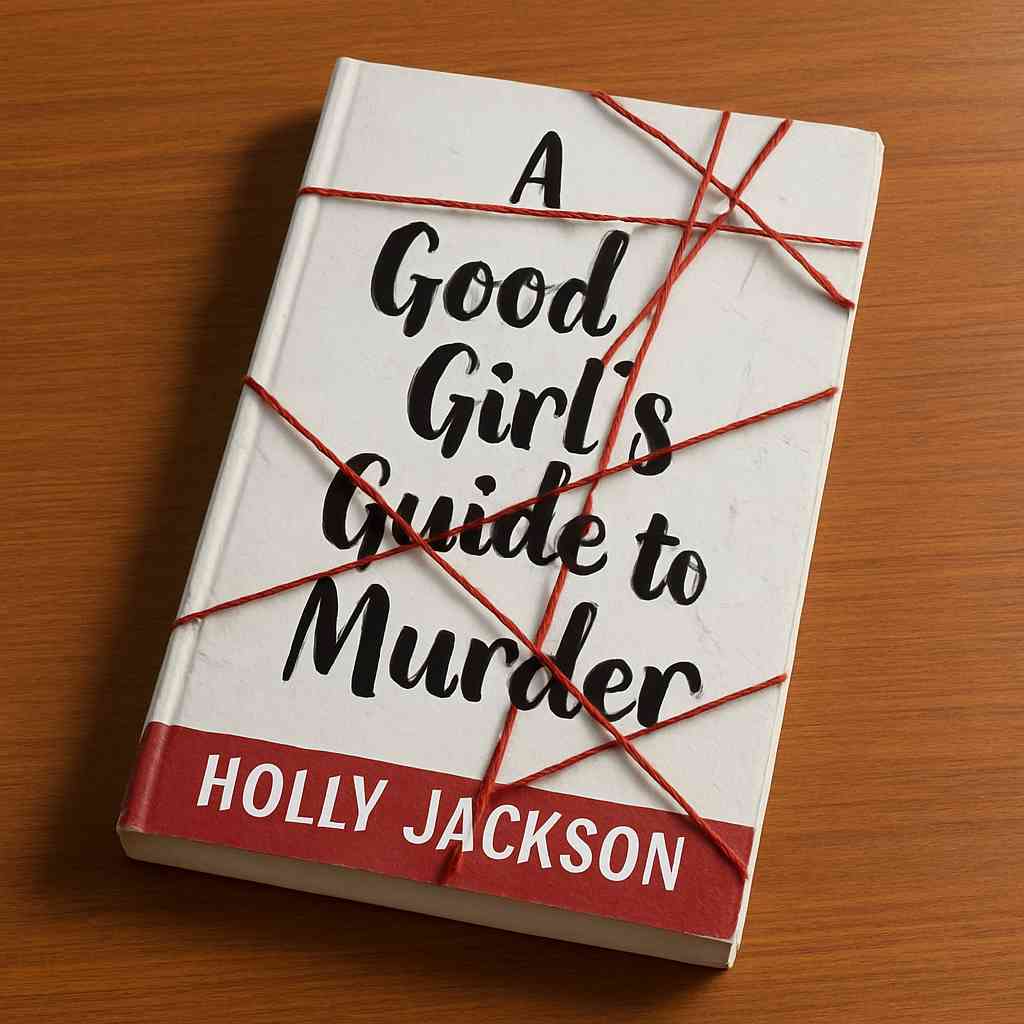
Check this book out

 Previous Post
 Next Post