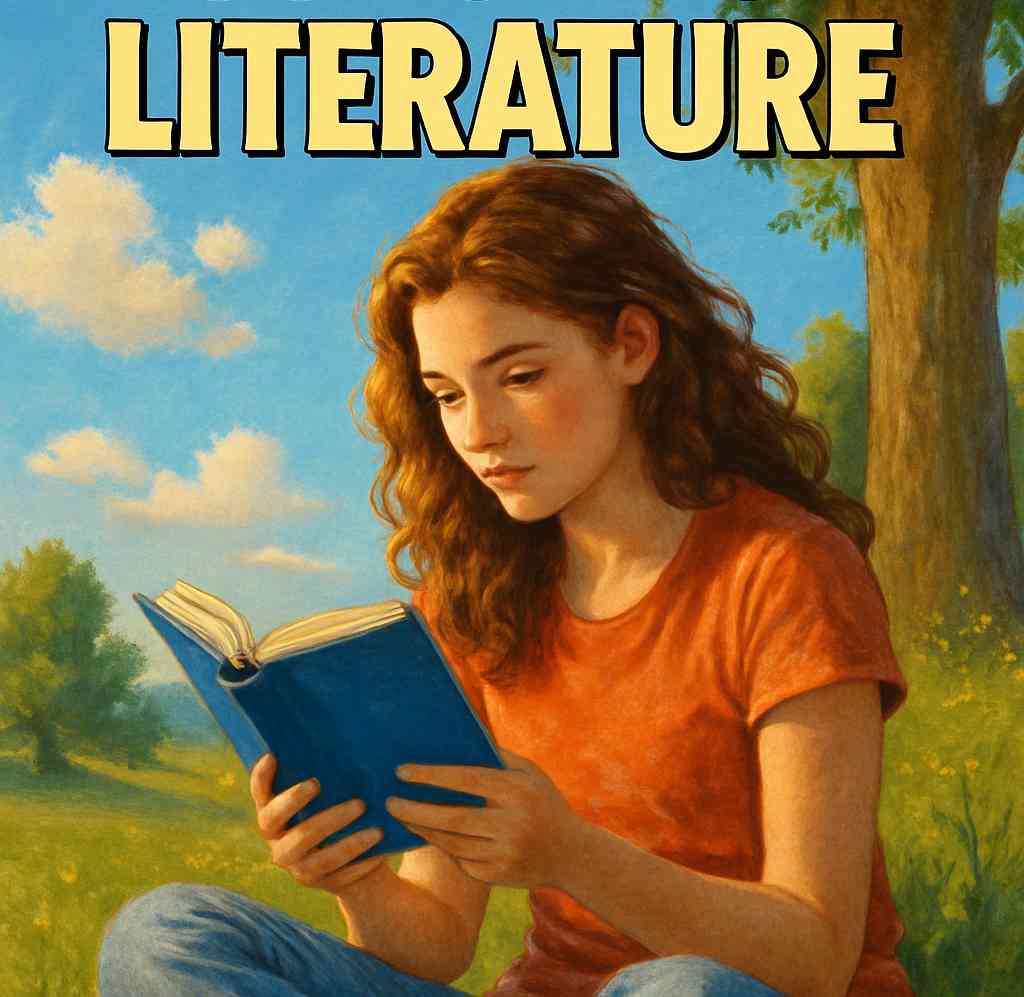
What Makes Young Adult Literature Powerful? Key Themes & Examples
Young Adult (YA) literature has captivated readers for decades, offering stories that resonate with both teenagers and adults. These narratives provide more than just entertainment; they offer a mirror into the lives of young people navigating the tumultuous journey of adolescence. The best YA books of all time explore diverse themes, capturing the complexity of adolescence, the challenges of growing up, and the journey to self-discovery. As we delve into these narratives, we find that they provide young readers with a sense of understanding and validation, while also inviting adult readers to reflect on their own formative years. In this article, we delve into the recurring themes found in popular YA novels and why these themes make these books must-reads for young adults.
One of the most compelling themes in YA literature is the journey of self-discovery. Adolescence is a time of exploration and questioning, making it fertile ground for stories that delve into the search for identity and purpose. Many young adult novels focus on protagonists who are trying to find their place in the world. This theme is prevalent because adolescence is a time of significant change and uncertainty, making these stories relatable to teenage readers. Through these narratives, readers are invited to embark on a journey alongside the characters, experiencing the highs and lows of self-discovery.
Books like “The Perks of Being a Wallflower” by Stephen Chbosky and “Eleanor & Park” by Rainbow Rowell explore the struggles teenagers face in understanding their identity and finding a sense of belonging. These stories emphasize the importance of accepting oneself and finding a community where one feels accepted. They portray the universal struggle of fitting in and the desire to be understood, offering readers a sense of solace and camaraderie. Moreover, these narratives highlight how the journey of finding one’s identity often involves confronting societal norms and expectations, ultimately encouraging readers to embrace their uniqueness.


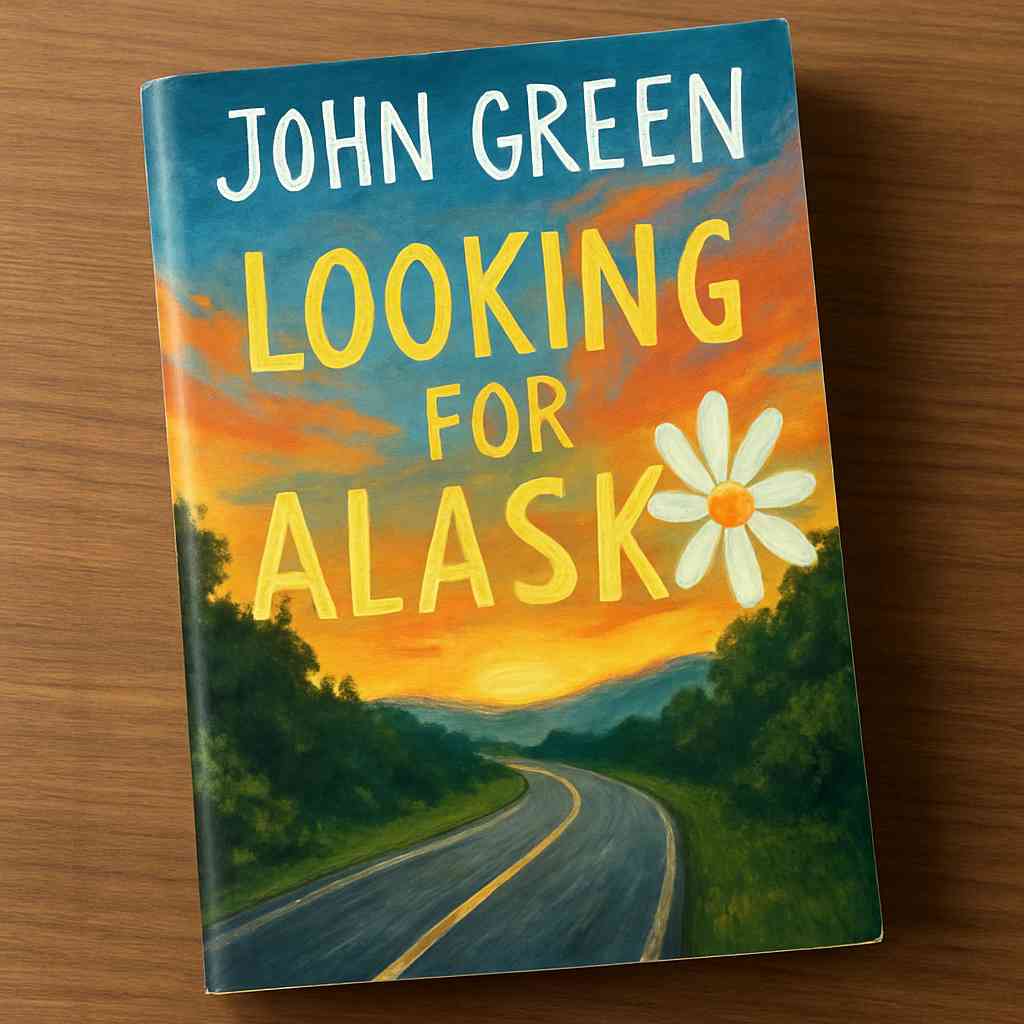
Another aspect of self-discovery is personal growth. In “Looking for Alaska” by John Green, the protagonist’s journey involves understanding loss and learning from it. Such narratives encourage young readers to embrace change and growth, even when it stems from difficult experiences. Personal growth often requires characters to confront their fears and limitations, pushing them beyond their comfort zones. Through these trials, characters—and readers—learn valuable lessons about resilience, courage, and the importance of embracing change as an inevitable part of life. These stories serve as powerful reminders that growth often comes from the most unexpected and challenging situations.
Love and relationships are central to many YA novels, offering readers insights into the complexities of human connections. These stories often explore first loves, friendships, and familial bonds, providing a mirror to the readers’ own experiences. The exploration of relationships in YA literature is particularly poignant because adolescence is a time when social dynamics shift rapidly, and emotions are experienced with heightened intensity. These narratives not only entertain but also provide guidance and reflection for young readers navigating their own relationships.
Romantic relationships are a staple in YA literature. Books like “The Fault in Our Stars” by John Green and “To All the Boys I’ve Loved Before” by Jenny Han depict the excitement and challenges of first love. These narratives capture the intense emotions and the life lessons that come with young romance. They explore themes of vulnerability, trust, and the bittersweet nature of first love, inviting readers to reflect on their own experiences and emotions. Moreover, these stories often present characters who must navigate the complexities of love alongside personal growth, highlighting the interconnectedness of these themes.


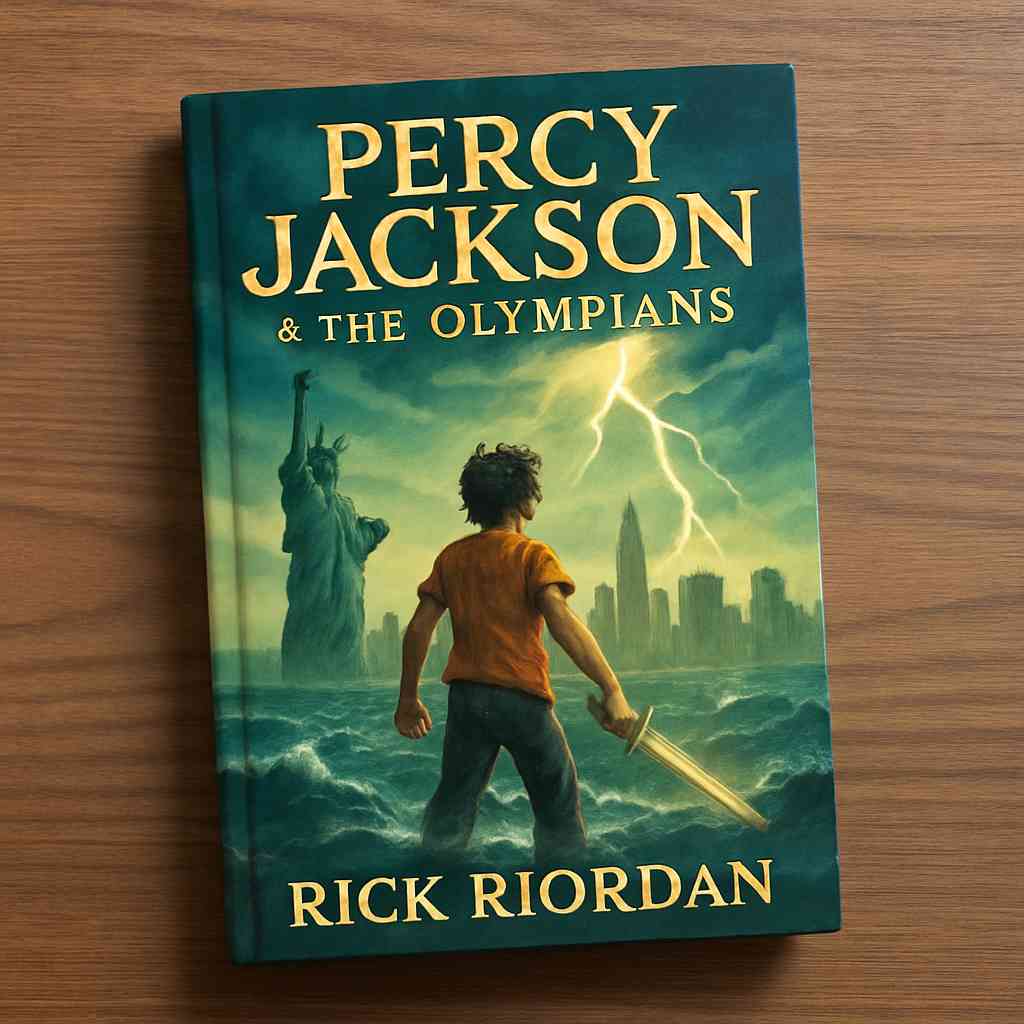
Friendships and family dynamics are equally important themes. In “Percy Jackson & the Olympians” by Rick Riordan, the bonds of friendship and the support of family play a crucial role in the protagonist’s journey. These stories remind readers of the value of having a strong support system. They highlight the importance of loyalty, understanding, and the unconditional love that can be found in friendships and familial relationships. Moreover, these narratives often depict the challenges that arise within these relationships, such as misunderstandings and conflicts, and demonstrate the resilience needed to overcome them, reinforcing the idea that relationships are both rewarding and complex.
YA literature often features characters who face significant challenges and adversities. These stories of resilience and determination inspire young readers to confront their own obstacles with courage. By presenting characters who overcome adversity, these narratives offer readers hope and motivation to tackle their own challenges. The theme of overcoming adversity is prevalent because it reflects the real-life struggles that many young people face, from personal issues to broader societal challenges.
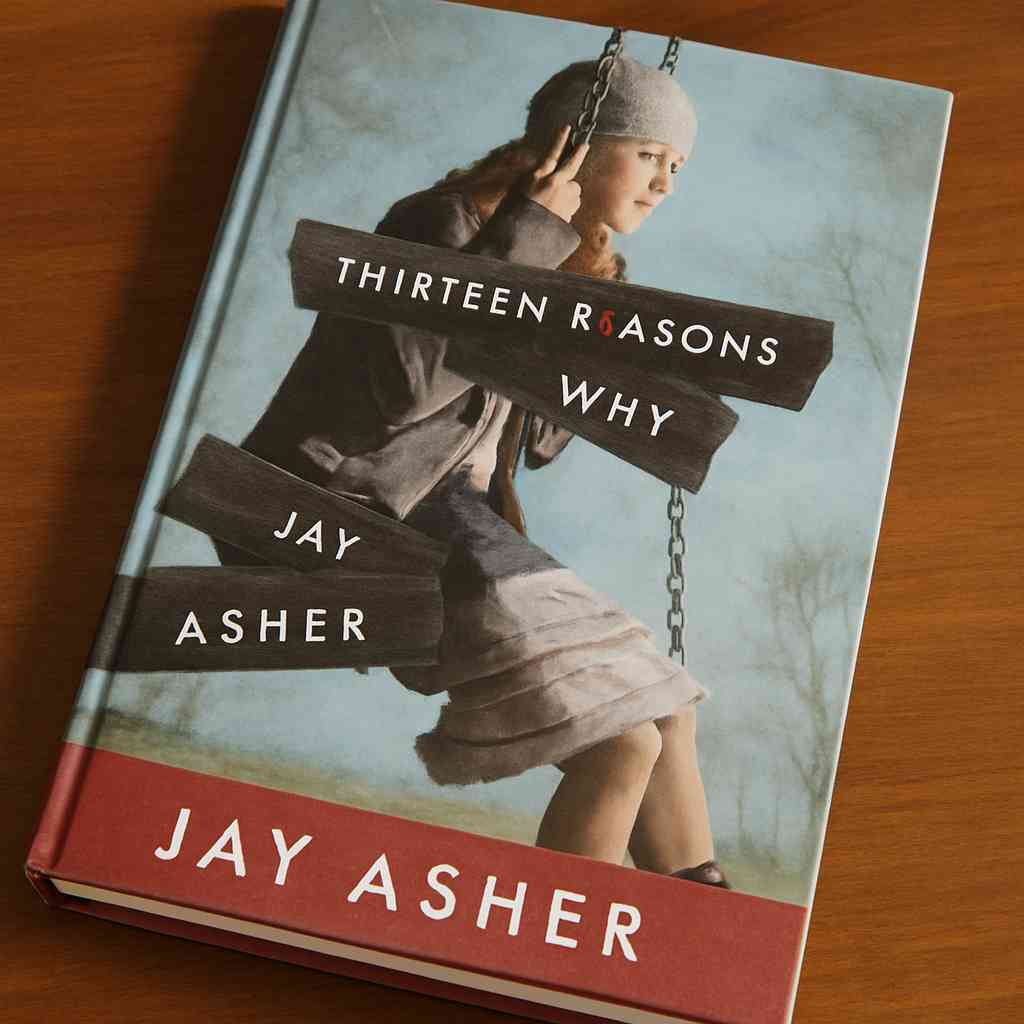
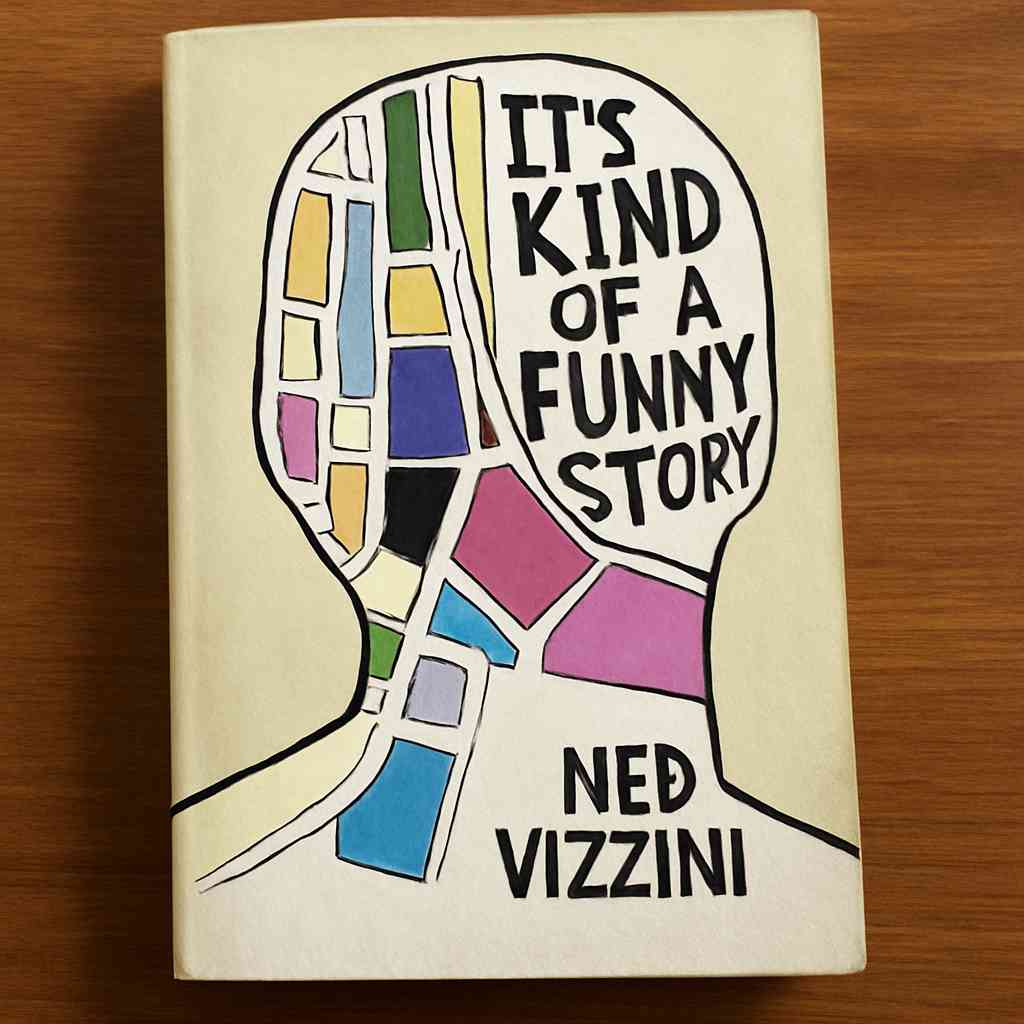
Books like “Thirteen Reasons Why” by Jay Asher and “It’s Kind of a Funny Story” by Ned Vizzini address mental health issues, providing a platform for discussion and understanding. These novels highlight the importance of seeking help and the strength found in vulnerability. They open up conversations about mental health, reducing stigma and encouraging empathy. By portraying characters who navigate mental health challenges, these stories offer readers a sense of validation and remind them that they are not alone in their struggles. Furthermore, they highlight the importance of reaching out for support and the power of sharing one’s story.


YA novels also tackle societal challenges such as racism, poverty, and discrimination. “The Hate U Give” by Angie Thomas and “All American Boys” by Jason Reynolds and Brendan Kiely explore racial inequality and social justice, encouraging readers to reflect on these critical issues and take action. These stories provide a lens through which readers can examine the systemic issues that impact communities, fostering a sense of awareness and responsibility. By addressing societal challenges, YA literature empowers young readers to become advocates for change and justice, inspiring them to engage with the world around them critically and compassionately.
Fantasy and adventure themes in YA literature allow readers to escape into worlds of magic and mystery. These genres often blend real-world issues with fantastical elements, making complex themes accessible and engaging. Fantasy and adventure stories captivate readers with their imaginative settings and thrilling plots while also offering opportunities for reflection on real-life issues. Through these narratives, readers can explore themes of heroism, courage, and the struggle between good and evil, all set against the backdrop of fantastical worlds.
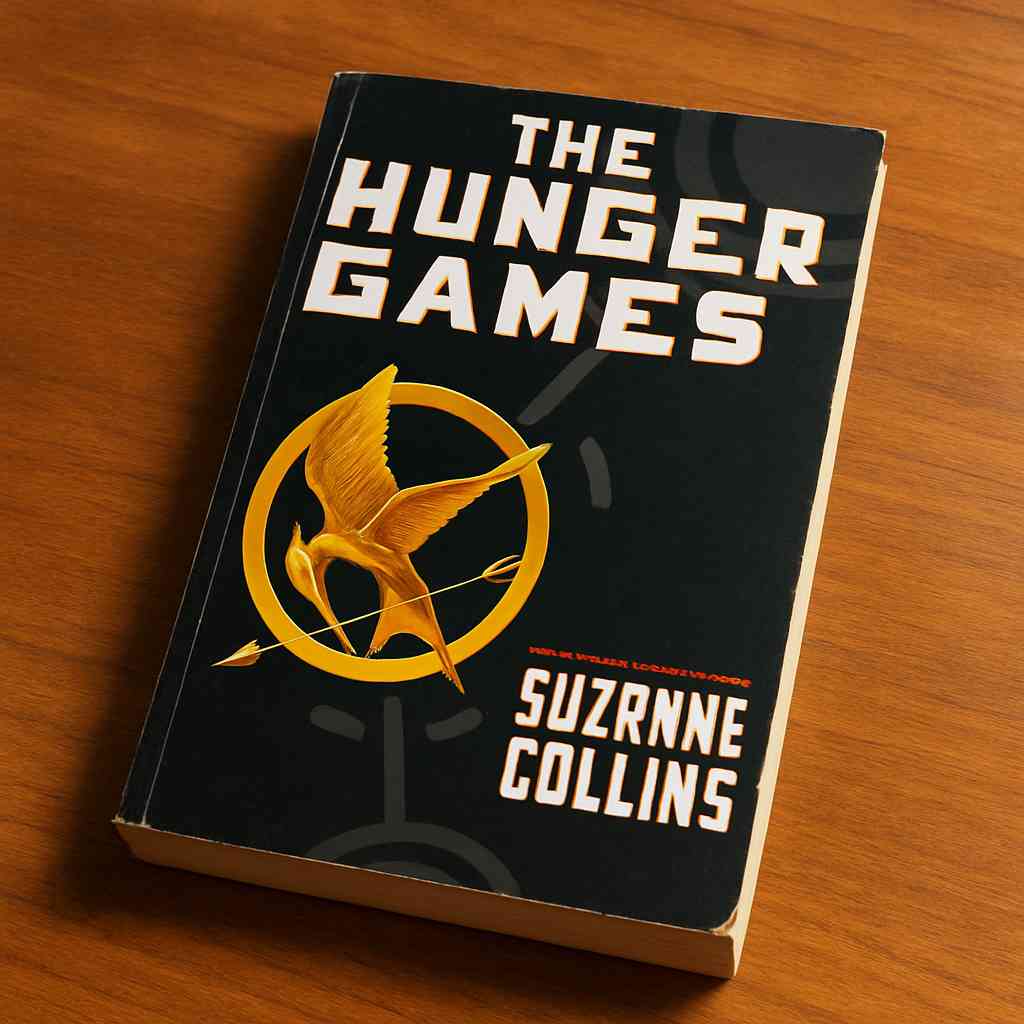
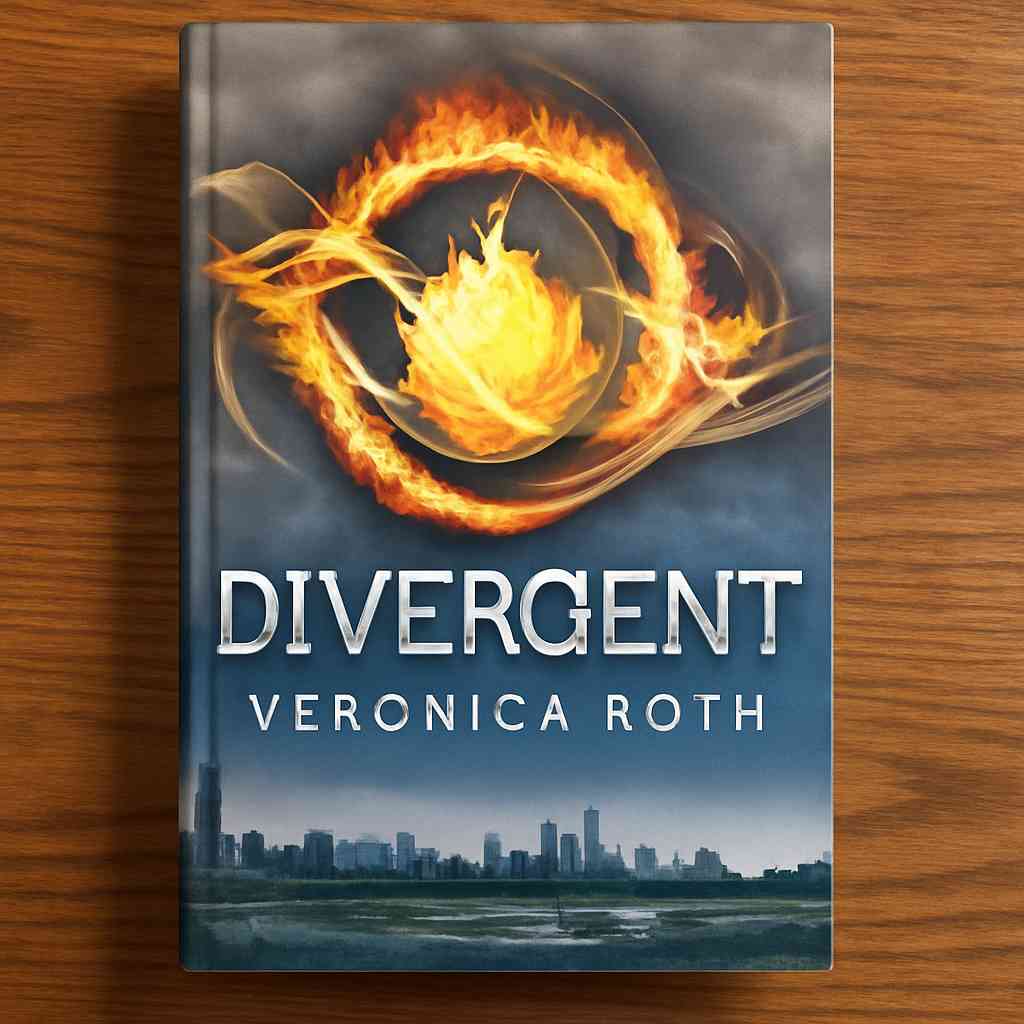
Dystopian novels like “The Hunger Games” by Suzanne Collins and “Divergent” by Veronica Roth present societies where characters must fight against oppressive regimes. These stories often explore themes of freedom, resistance, and the power of choice, resonating with readers who are exploring their own beliefs and values. Dystopian worlds serve as cautionary tales, prompting readers to consider the consequences of unchecked power and the importance of standing up for justice and equality. They challenge readers to think critically about the world around them and to consider their role in shaping the future.
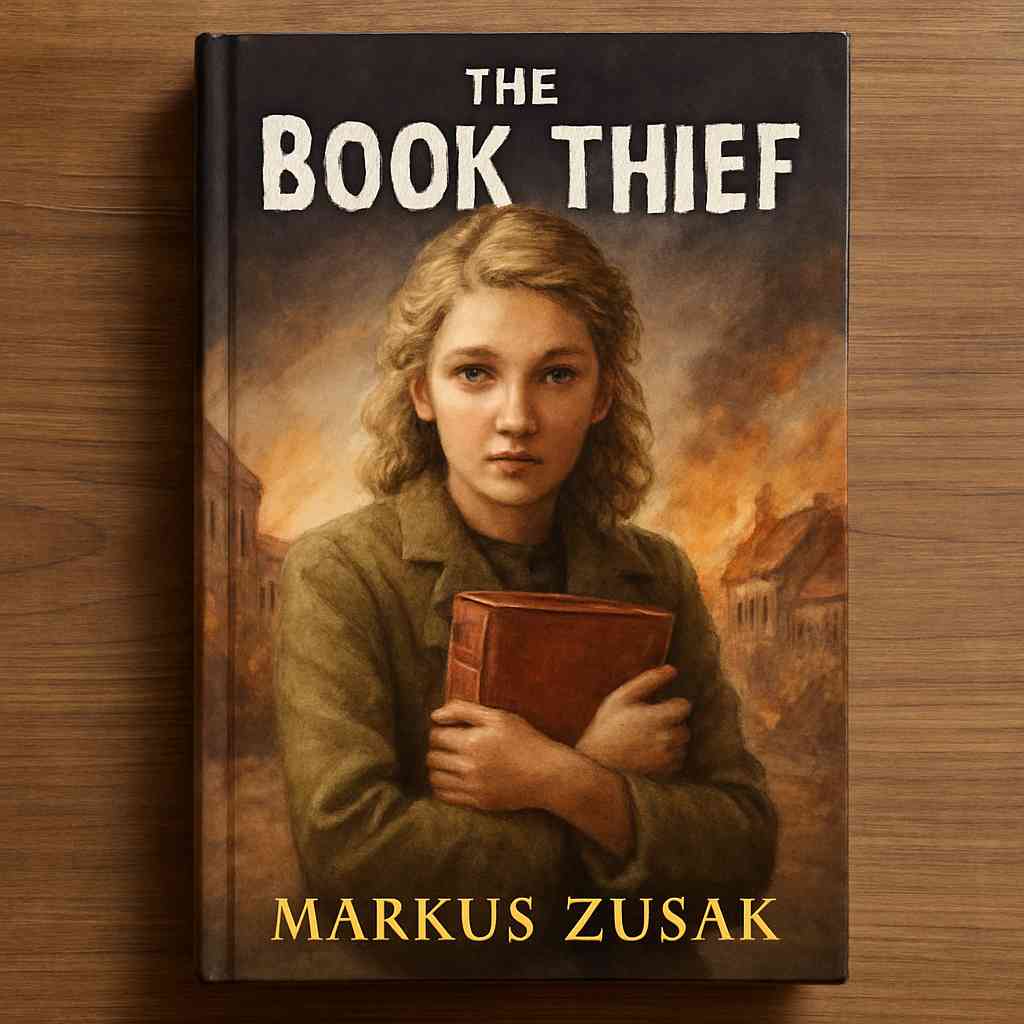
Magical realism offers a unique blend of the fantastical and the real. In books like “The Book Thief” by Markus Zusak, the incorporation of magical elements into historical narratives adds depth to the exploration of themes like mortality and hope. Magical realism allows readers to experience the extraordinary in the ordinary, encouraging them to see the world from new perspectives. This genre invites readers to question the boundaries of reality and imagination, offering a rich tapestry of storytelling that blends the familiar with the mystical. Through magical realism, readers can explore profound themes in a way that is both enchanting and thought-provoking.
Recent YA literature has seen a push towards greater diversity and representation, allowing readers to see themselves reflected in the stories they read. This inclusivity enriches the genre and broadens the perspectives presented to young readers. By showcasing a wide range of voices and experiences, YA literature fosters empathy and understanding, encouraging readers to celebrate diversity in all its forms.
Books like “The Poet X” by Elizabeth Acevedo and “Aristotle and Dante Discover the Secrets of the Universe” by Benjamin Alire Sáenz celebrate diverse voices and experiences. These narratives offer insights into different cultures, identities, and experiences, fostering empathy and understanding among readers. They provide a platform for underrepresented voices, highlighting the richness and complexity of diverse narratives. By exploring diverse perspectives, these stories challenge stereotypes and encourage readers to appreciate the beauty of a multifaceted world.


Young adult literature plays a crucial role in shaping the perspectives and values of its readers. By addressing themes of self-discovery, love, adversity, and diversity, YA novels provide valuable life lessons and encourage young readers to think critically about the world around them. These stories offer a safe space for exploration and reflection, allowing readers to navigate their own journeys with confidence and empathy. As the genre continues to evolve, it remains a powerful tool for connection and understanding, inspiring the next generation to embrace their uniqueness and create positive change in the world.
In conclusion, the best YA books of all time resonate with readers because they explore universal themes that are both timeless and relevant. Whether you’re a teenager navigating the complexities of adolescence or an adult reflecting on your own youth, YA literature offers something for everyone. These stories invite readers to embark on journeys of adventure, discovery, and understanding, providing both entertainment and profound insights into the human experience. So, pick up a good YA book today and dive into a world of adventure, discovery, and understanding.

 Previous Post