
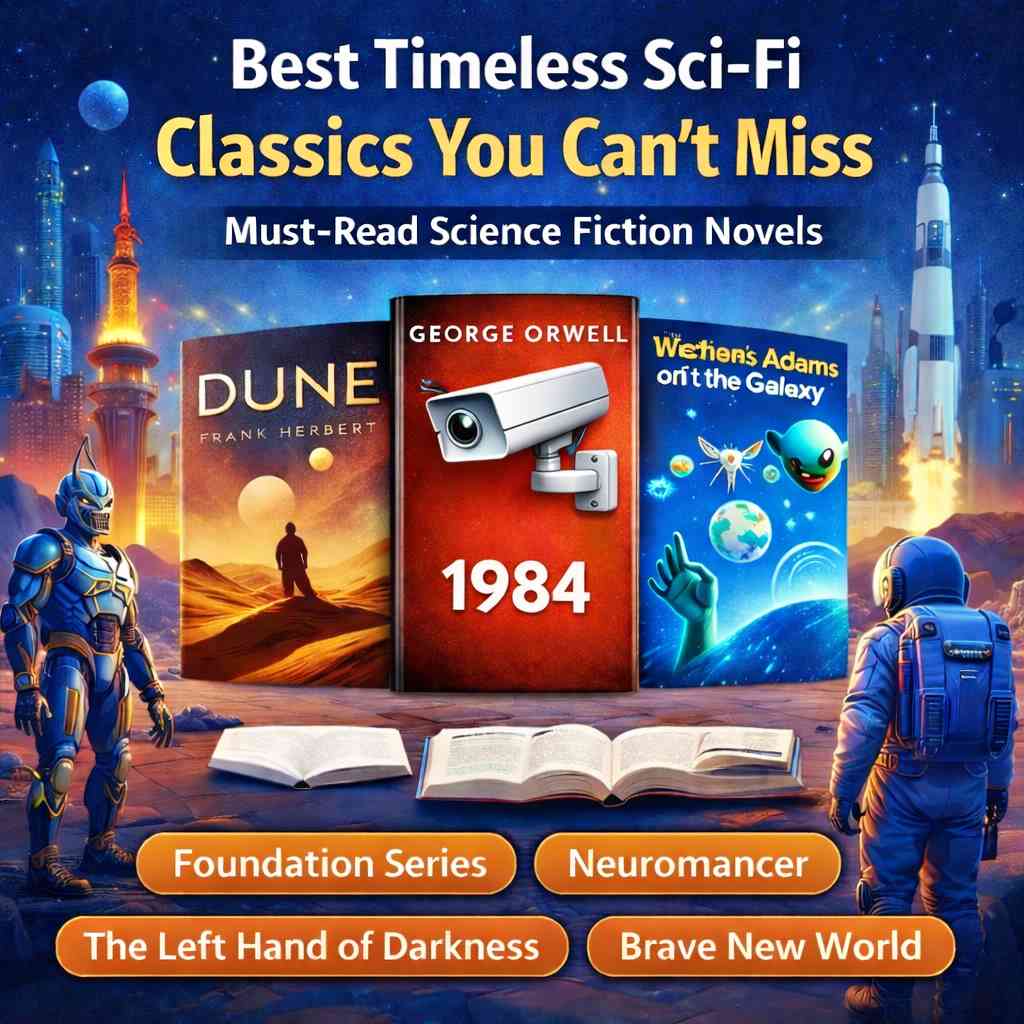
Best Timeless Sci-Fi Classics You Can’t Miss
Science fiction has long captivated readers with its imaginative worlds, thought-provoking themes, and visionary ideas. Whether you’re a seasoned fan or new to the genre, diving into the best science fiction books of all time can offer thrilling adventures and profound insights. In this article, we’ll explore some of the greatest sci-fi novels and series that every reader should experience.
When it comes to classic science fiction, a few titles consistently make their way onto must-read lists. These books have stood the test of time and continue to influence both readers and writers today.
“Dune” by Frank Herbert
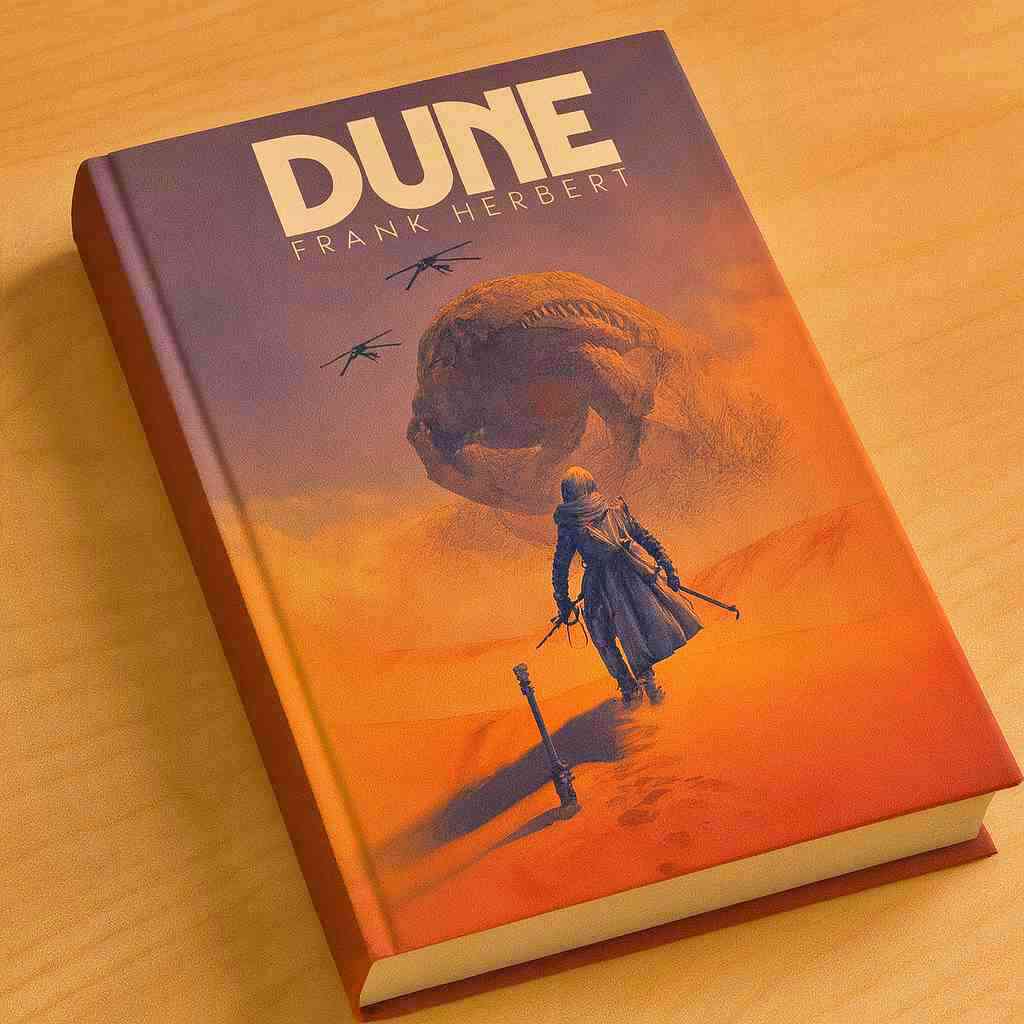
Considered one of the greatest science fiction novels of all time, “Dune” transports readers to the desert planet of Arrakis. Here, young Paul Atreides becomes embroiled in a battle for control over the most valuable substance in the universe: the spice melange. Herbert’s intricate world-building and exploration of politics, ecology, and religion have made “Dune” a timeless masterpiece.
The novel’s exploration of the complex socio-political structures on Arrakis offers a reflection of our own world’s challenges. The intricate relationships between the different houses and the Fremen people are woven into a grand tapestry of power dynamics and survival. “Dune” doesn’t just tell a story; it creates a universe that challenges readers to consider the implications of ecological and cultural dominion.
Herbert’s work continues to resonate today, inspiring adaptations and discussions around the themes of imperialism and the environment. Its rich narrative and detailed setting have made it a cornerstone of science fiction literature, influencing countless authors and filmmakers. “Dune” is not just a book to be read but a world to be experienced.
“1984” by George Orwell
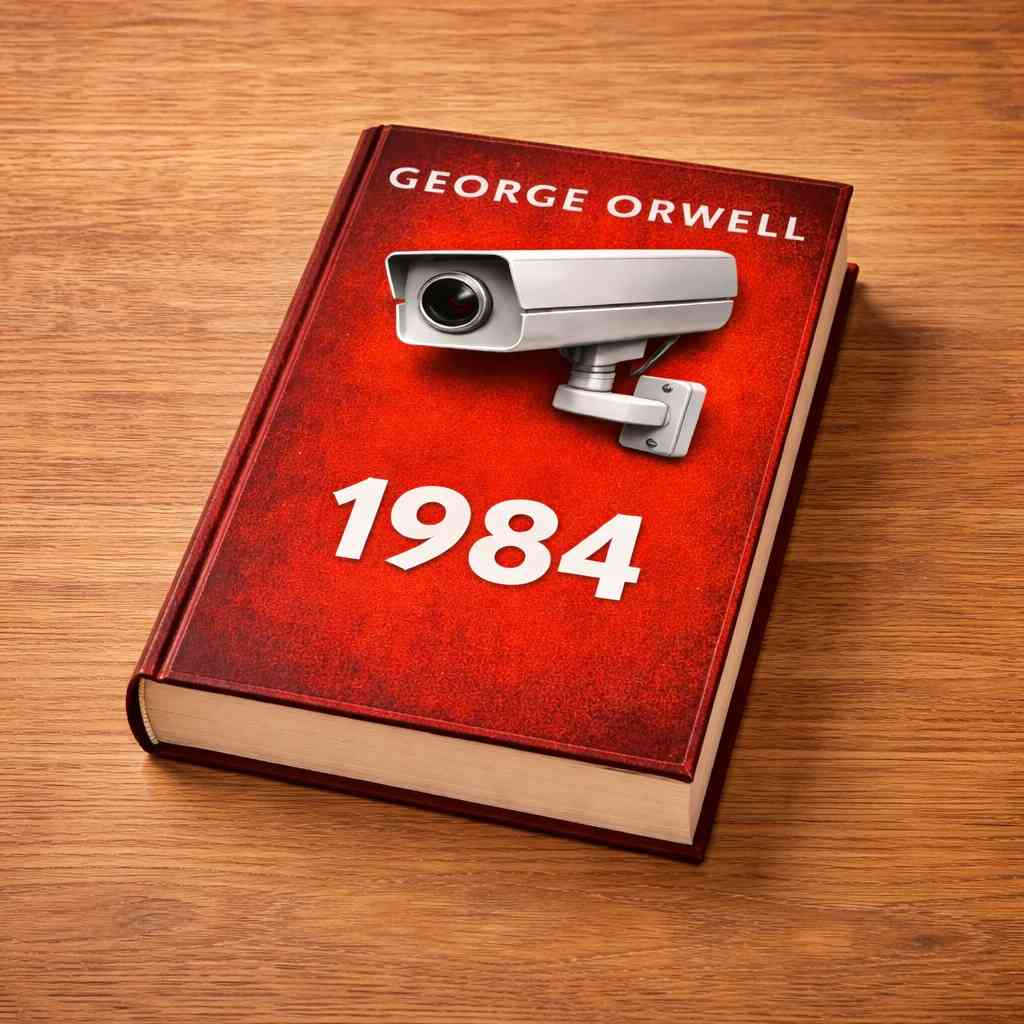
George Orwell’s “1984” is a chilling dystopian tale that explores themes of totalitarianism, surveillance, and the manipulation of truth. Set in a world where Big Brother is always watching, it serves as a powerful warning about the dangers of unchecked government power. Its impact on culture and language is undeniable, making it a must-read classic.
The novel’s portrayal of a society stripped of freedom and individuality is both haunting and thought-provoking. Orwell’s vision of a world where truth is dictated by the state challenges readers to reflect on the value of free thought and the consequences of its loss. The oppressive atmosphere of “1984” forces us to consider the fragility of our liberties.
Orwell’s creation of Newspeak and the concept of doublethink have permeated popular culture, providing a language for discussing modern-day political concerns. “1984” continues to be a relevant and insightful critique of power structures, making it essential reading for anyone interested in the preservation of personal freedoms. Its lessons are as pertinent now as they were when first published.
“The Hitchhiker’s Guide to the Galaxy” by Douglas Adams
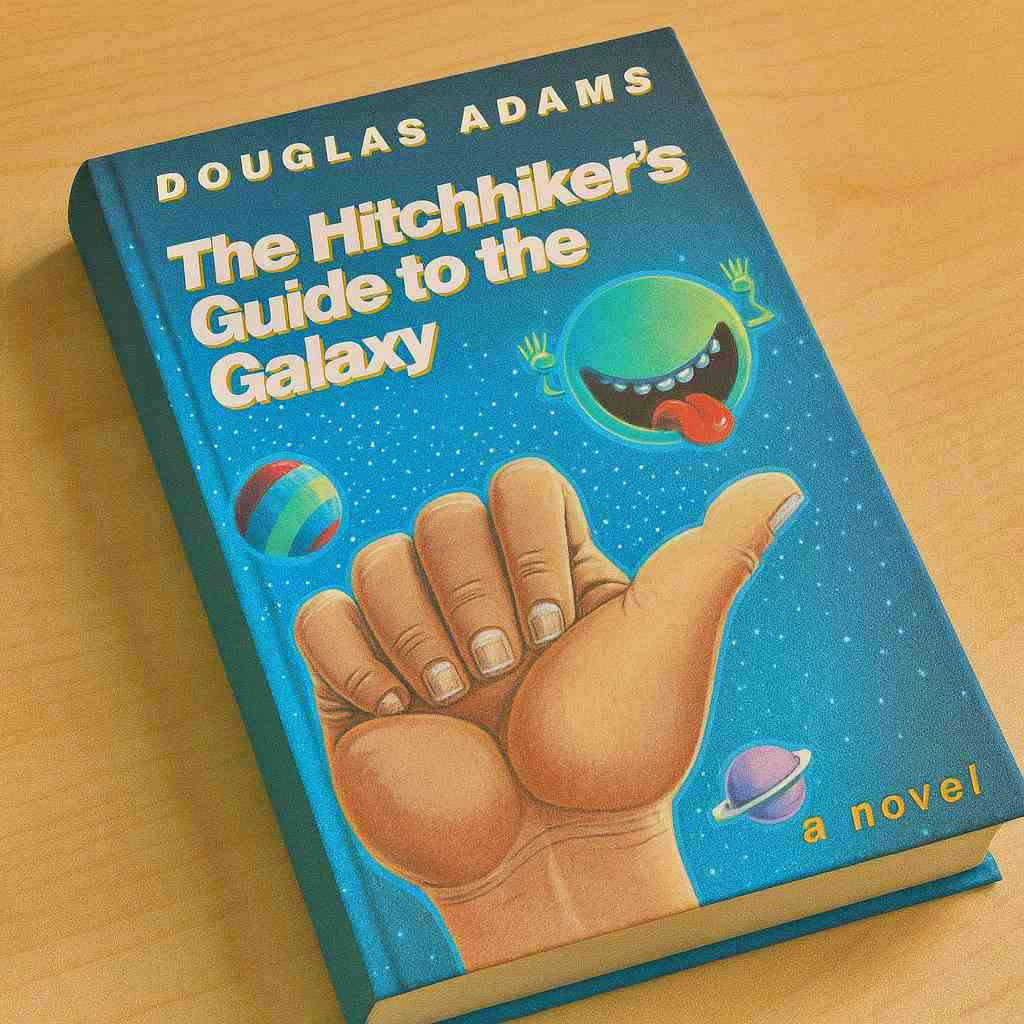
For those who enjoy a touch of humor in their sci-fi, “The Hitchhiker’s Guide to the Galaxy” is a delightful romp through the galaxy. With its witty narrative and memorable characters, including the hapless Arthur Dent and the eccentric Ford Prefect, Adams’ series offers a unique blend of comedy and cosmic adventure.
Adams’ work is a celebration of the absurdity and unpredictability of life, both on Earth and beyond. The book’s irreverent tone and clever satire challenge readers to look at the world with a sense of wonder and humor. Through its whimsical storyline, “The Hitchhiker’s Guide” invites us to question our place in the universe while enjoying the ride.
The series’ enduring popularity lies in its ability to mix profound insights with lighthearted storytelling. Adams’ imaginative universe is filled with quirky characters and unexpected twists, encouraging readers to embrace the unexpected. “The Hitchhiker’s Guide to the Galaxy” is a reminder that sometimes the best journeys are those that don’t go according to plan.
Great Sci-Fi Books and Series
Beyond the classics, there are numerous great sci-fi books and series that have captured the imaginations of readers worldwide. These stories offer diverse perspectives and innovative concepts that continue to push the boundaries of the genre.
“The Foundation Series” by Isaac Asimov
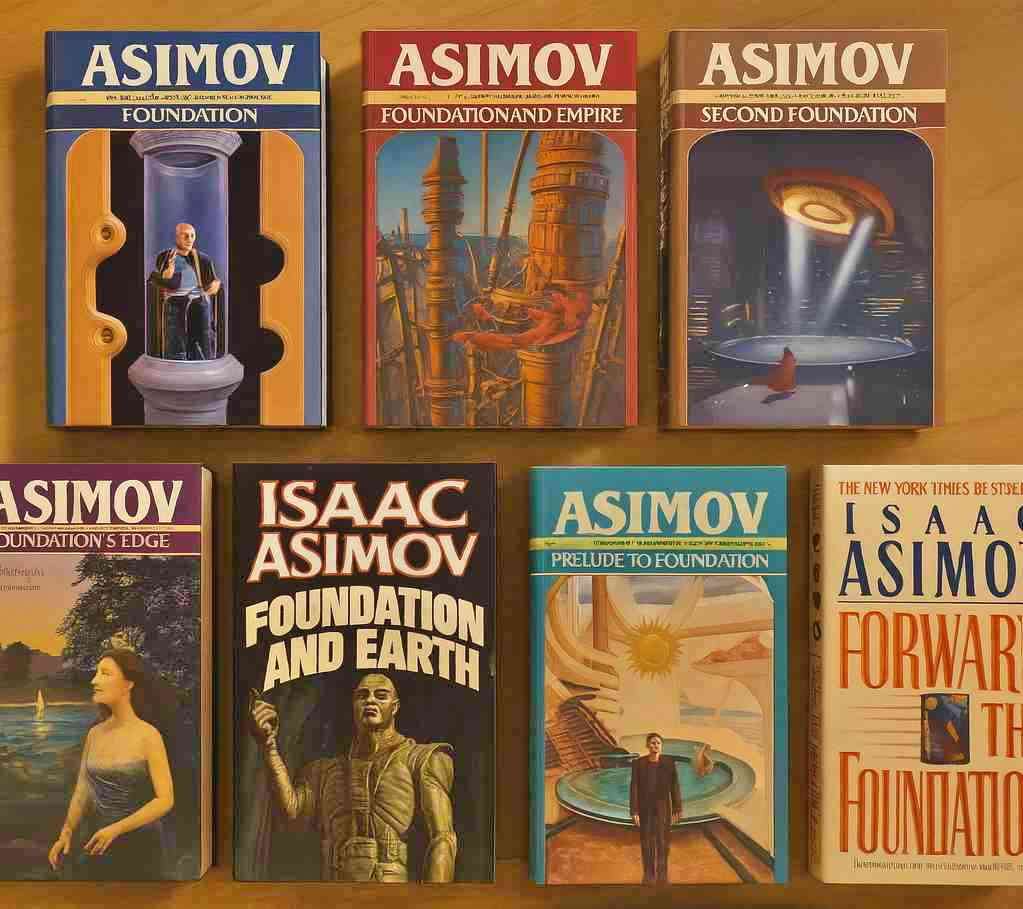
Isaac Asimov’s “Foundation Series” is a cornerstone of science fiction literature. The series follows the efforts of Hari Seldon and his followers to preserve knowledge and culture as the Galactic Empire collapses. Asimov’s exploration of the rise and fall of civilizations, along with his insights into human nature, make this series a must-read.
Asimov’s work is a grand narrative of history and its cyclical nature, drawing parallels to the fall of past empires and the birth of new societies. The concept of psychohistory, a blend of history, sociology, and mathematics, adds a layer of complexity that challenges readers to consider the predictability of human behavior. The Foundation Series is as much a philosophical exploration as it is a thrilling story.
The series’ exploration of knowledge and power raises questions about the role of science and technology in shaping the future. Asimov’s vision of a universe in flux serves as a backdrop for examining the responsibilities that come with wisdom and foresight. The Foundation Series remains an essential read for anyone interested in the intersections of science, history, and destiny.
“Neuromancer” by William Gibson
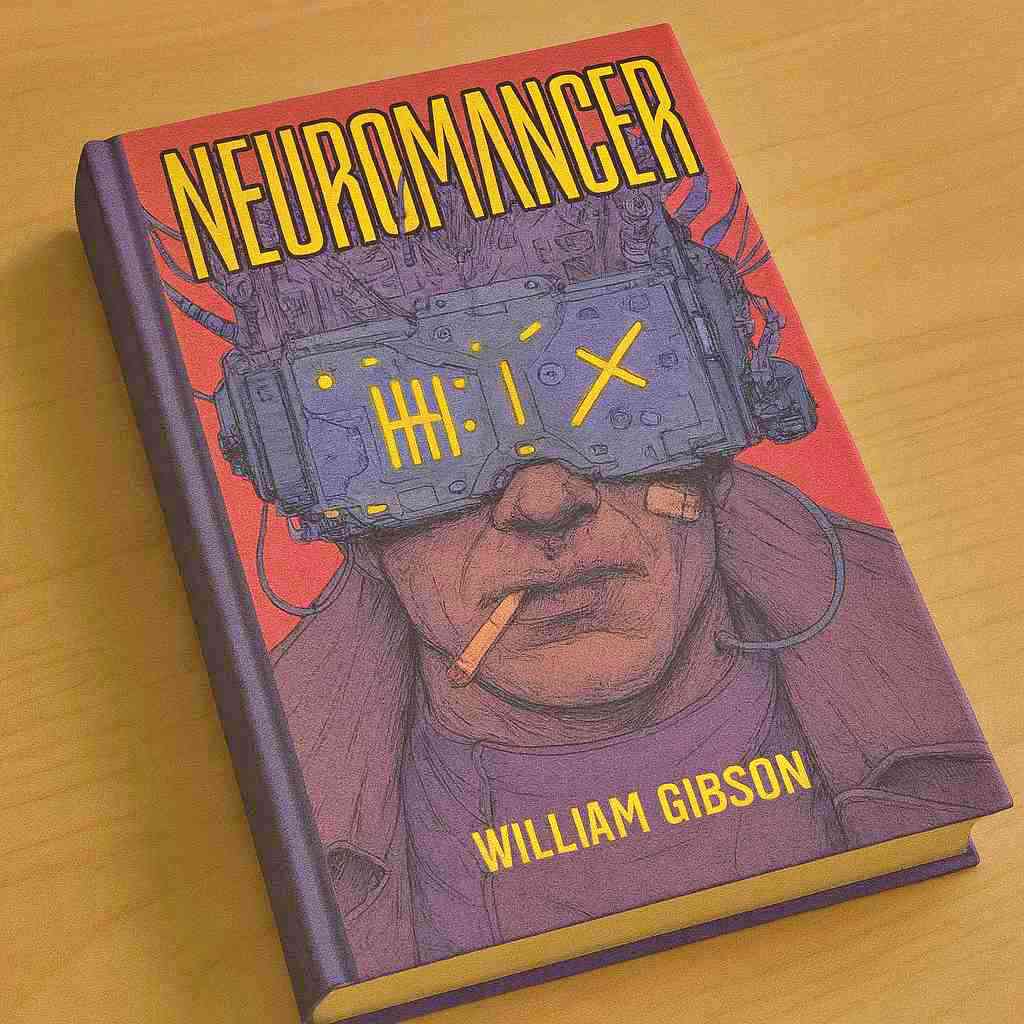
William Gibson’s “Neuromancer” is a seminal work in the cyberpunk subgenre. It introduces readers to a gritty, high-tech future where hackers navigate the virtual realm of the matrix. Gibson’s visionary storytelling and exploration of artificial intelligence and corporate power have left a lasting impact on sci-fi and popular culture.
Gibson’s novel is a stark commentary on the intersection of technology and society, offering a vision of a future dominated by corporate interests and digital landscapes. The protagonist, Case, navigates a world where the lines between reality and virtual existence blur, challenging readers to consider the implications of an increasingly digital age. “Neuromancer” is both a cautionary tale and a thrilling adventure.
The novel’s influence extends beyond literature, inspiring films, video games, and discussions about the nature of consciousness and identity in a digital world. Gibson’s creation of a cybernetic landscape has become a foundational element of cyberpunk, reflecting society’s ongoing fascination with the potential and dangers of technology. “Neuromancer” remains a must-read for those intrigued by the future of human-computer interaction.
“Snow Crash” by Neal Stephenson
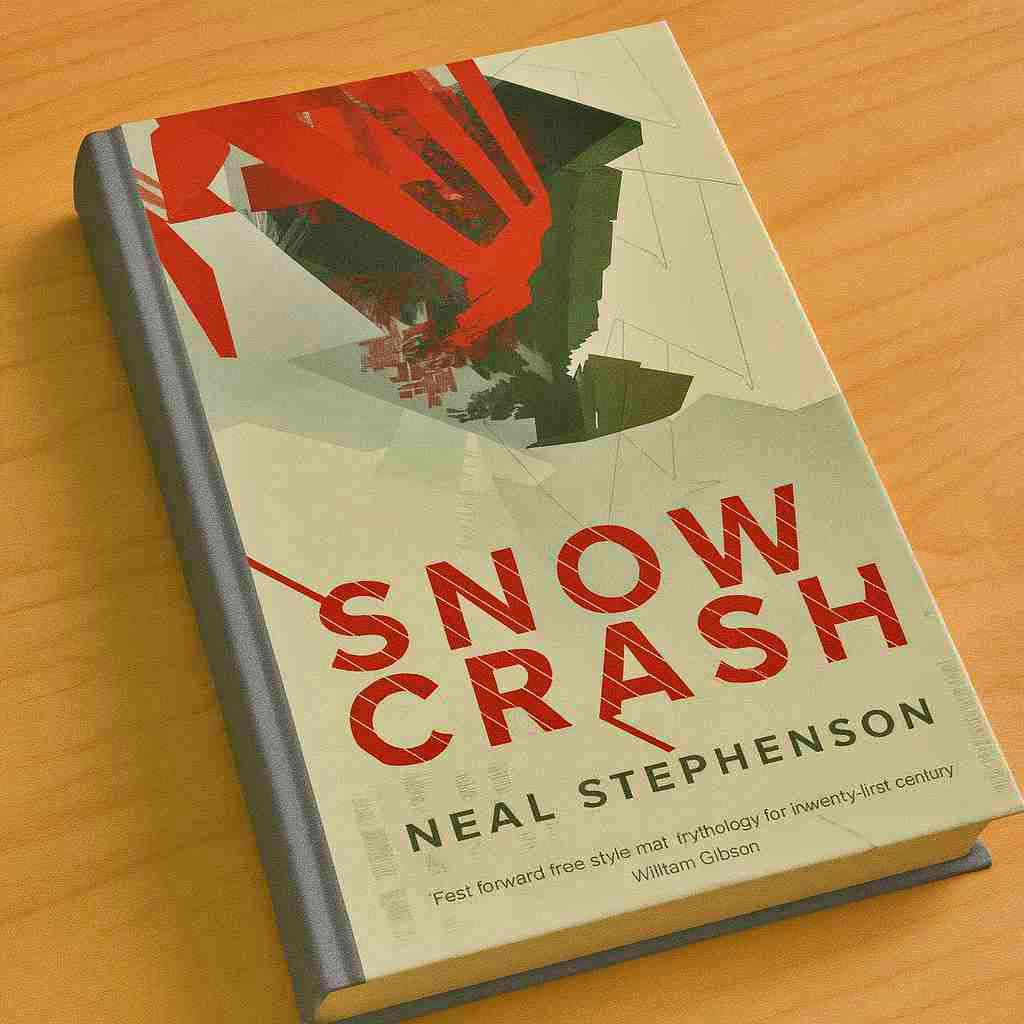
In “Snow Crash,” Neal Stephenson presents a fast-paced, action-packed tale set in a world where virtual reality and the real world collide. With its mix of technology, linguistics, and anarchic humor, the novel offers a thought-provoking exploration of information and power in a digital age.
Stephenson’s narrative is a frenetic journey through a future where information is both a weapon and a commodity. The novel’s protagonist, Hiro Protagonist, navigates a world where the boundaries between the physical and virtual are blurred, raising questions about the nature of reality and identity. “Snow Crash” invites readers to consider the impact of technology on society and culture.
The novel’s exploration of language and communication as tools of control and liberation adds depth to its fast-paced plot. Stephenson’s vision of a fragmented world highlights the power dynamics inherent in information exchange, challenging readers to think critically about the role of technology in shaping human interaction. “Snow Crash” is an exhilarating ride through a future that feels increasingly possible.
Must-Read Science Fiction Novels
For those seeking captivating stories that challenge perceptions and expand horizons, must-read science fiction novels provide an ideal starting point. These books offer intriguing premises and compelling characters that resonate with readers.
“The Left Hand of Darkness” by Ursula K. Le Guin
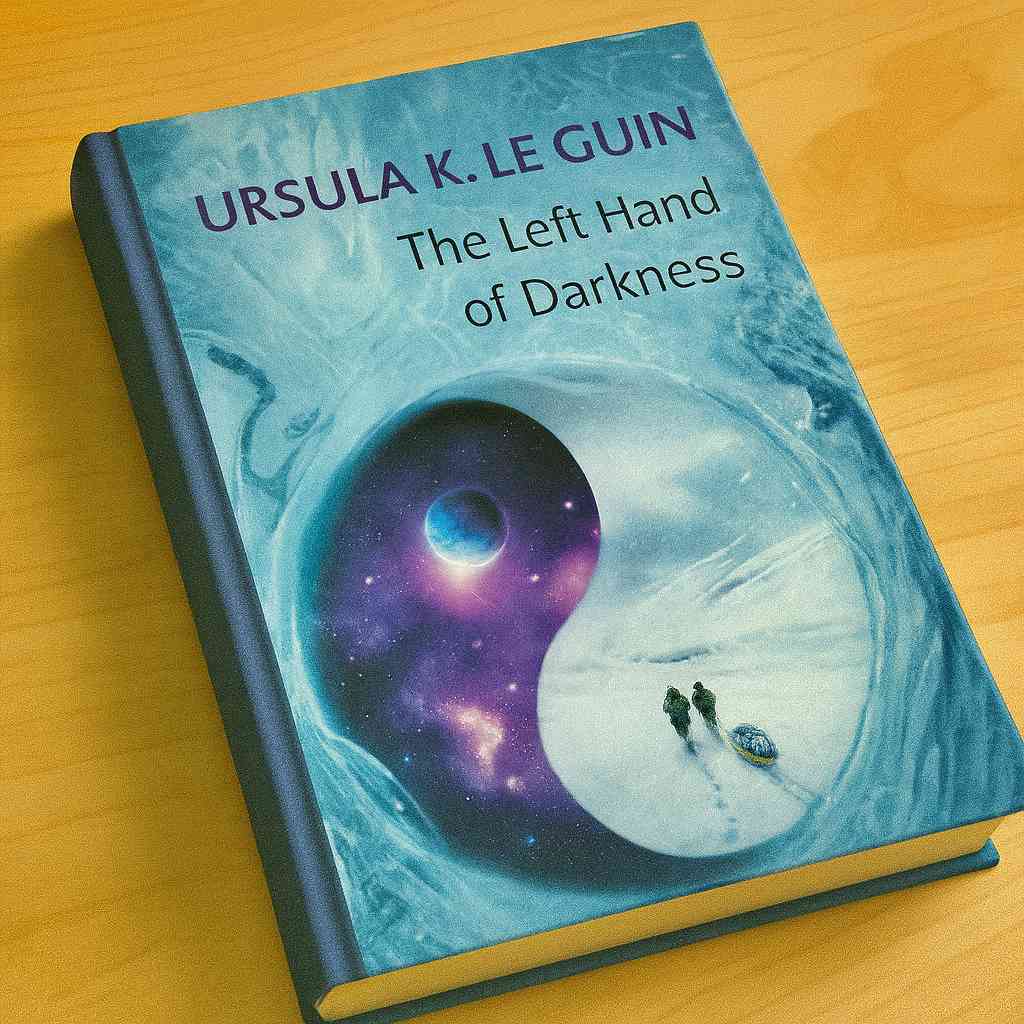
Ursula K. Le Guin’s “The Left Hand of Darkness” is a groundbreaking exploration of gender and identity. Set on the planet Gethen, where inhabitants can change gender, the novel follows an envoy from Earth as he navigates political intrigue and forms a unique bond with a Gethenian. Le Guin’s thought-provoking narrative challenges conventional notions of gender and society.
Le Guin’s exploration of a world without fixed gender roles invites readers to reconsider assumptions about identity and societal norms. The novel’s protagonist, Genly Ai, must navigate a culture that defies binary thinking, offering a profound meditation on the fluidity of human experience. “The Left Hand of Darkness” is a powerful exploration of empathy and understanding across differences.
The novel’s rich world-building and complex characters create a narrative that is both intellectually stimulating and emotionally resonant. Le Guin’s ability to weave intricate social and political dynamics into her storytelling makes “The Left Hand of Darkness” a timeless exploration of what it means to be human. Its impact on science fiction and gender studies continues to be profound.
“Hyperion” by Dan Simmons

“Hyperion” by Dan Simmons is an epic tale that weaves together multiple narratives into a gripping story. Set in a universe on the brink of destruction, the novel follows seven pilgrims on a journey to the distant world of Hyperion. With its blend of science fiction, mythology, and philosophy, “Hyperion” offers a rich and immersive reading experience.
Simmons’ novel is a masterful intertwining of individual stories, each contributing to a larger narrative tapestry. The pilgrims’ tales explore themes of love, loss, and redemption, set against the backdrop of a universe facing existential threats. “Hyperion” challenges readers to consider the nature of faith and the search for meaning in a vast, unpredictable cosmos.
The novel’s philosophical undertones and mythological references add depth to its science fiction setting, creating a story that is as intellectually engaging as it is emotionally compelling. Simmons’ ability to blend genres and themes results in a work that is both expansive and intimate, making “Hyperion” a standout in the realm of speculative fiction.
“Brave New World” by Aldous Huxley
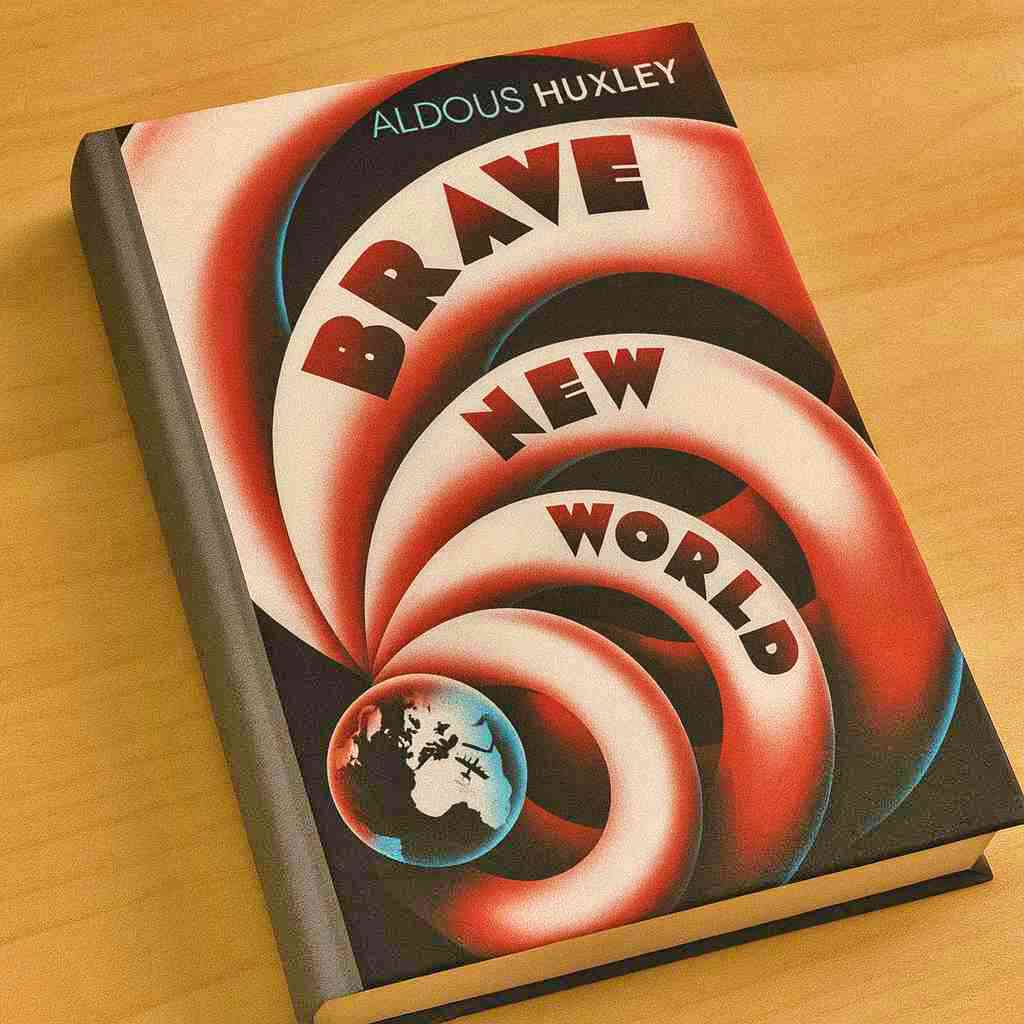
Aldous Huxley’s “Brave New World” presents a vision of a future society driven by technological advancement and consumerism. In this world, individuality is suppressed, and people are conditioned to conform. Huxley’s exploration of the loss of humanity in a highly controlled society remains relevant and thought-provoking.
Huxley’s dystopian narrative offers a chilling examination of a world where human emotions and desires are manipulated for the sake of stability and order. The novel’s portrayal of a society where happiness is manufactured and individuality is sacrificed raises questions about the cost of utopia. “Brave New World” challenges readers to consider the value of freedom and the dangers of technological control.
The novel’s themes of dehumanization and the commodification of life resonate with modern concerns about technology and consumer culture. Huxley’s vision of a future where choice is limited and desires are engineered serves as a cautionary tale for those considering the implications of technological progress. “Brave New World” remains a poignant critique of a world where humanity is sacrificed for efficiency.
Sci-Fi Fantasy Fiction Books
Science fiction often blends with fantasy to create unique worlds where the impossible becomes reality. These sci-fi fantasy fiction books offer enchanting adventures and imaginative landscapes that blur the lines between genres.
“The Dark Tower Series” by Stephen King
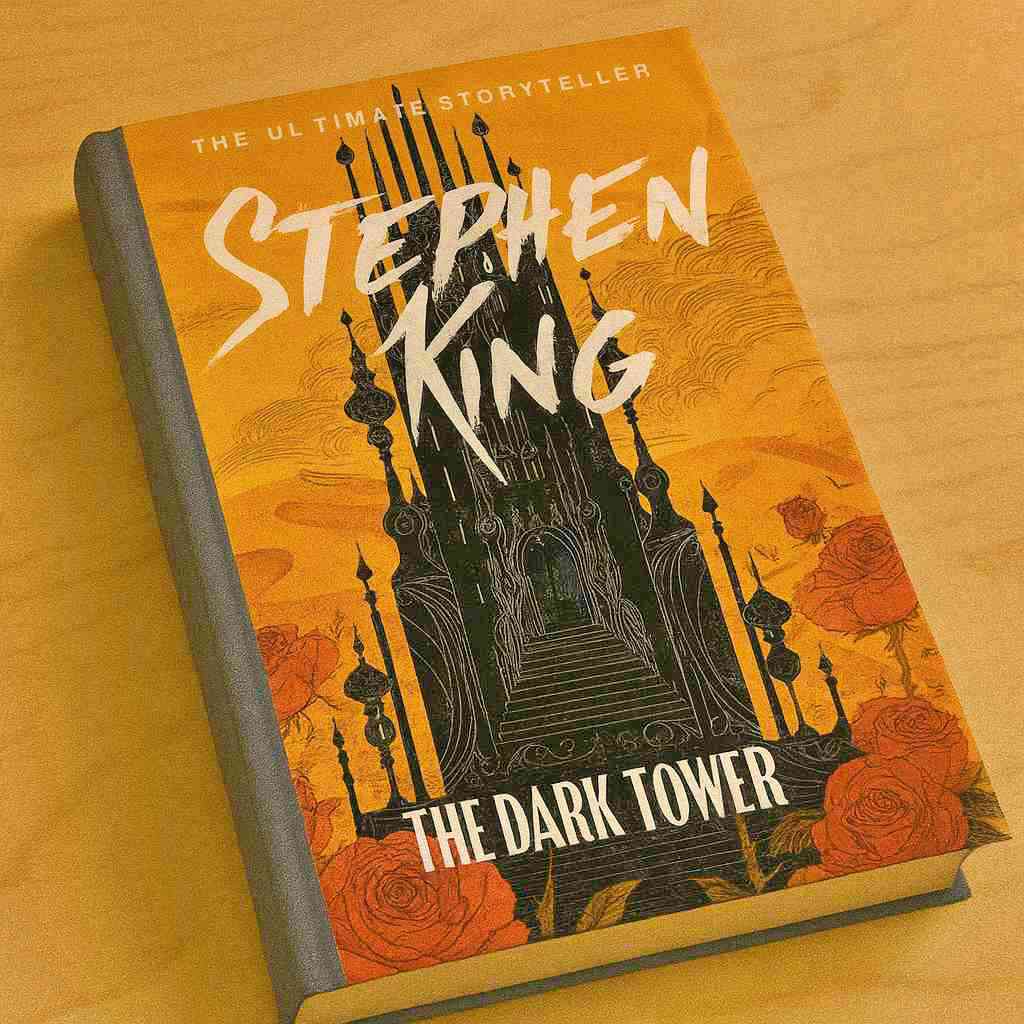
Stephen King’s “The Dark Tower Series” is a genre-bending epic that combines elements of fantasy, science fiction, and horror. The series follows the gunslinger Roland Deschain on his quest to reach the Dark Tower, a mysterious structure at the center of the universe. King’s masterful storytelling and rich character development make this series an unforgettable journey.
King’s creation of a multiverse where different realities intersect offers a rich tapestry of storytelling possibilities. The Dark Tower itself serves as both a physical and symbolic destination, representing the quest for meaning and understanding in an ever-expanding universe. The series’ blend of genres creates a unique reading experience that defies easy categorization.
The characters’ journeys through a landscape filled with danger and mystery invite readers to explore themes of destiny, sacrifice, and the power of storytelling itself. King’s ability to craft a narrative that is both epic in scope and deeply personal ensures that “The Dark Tower Series” remains a compelling exploration of the human spirit.
“The Broken Earth Trilogy” by N.K. Jemisin
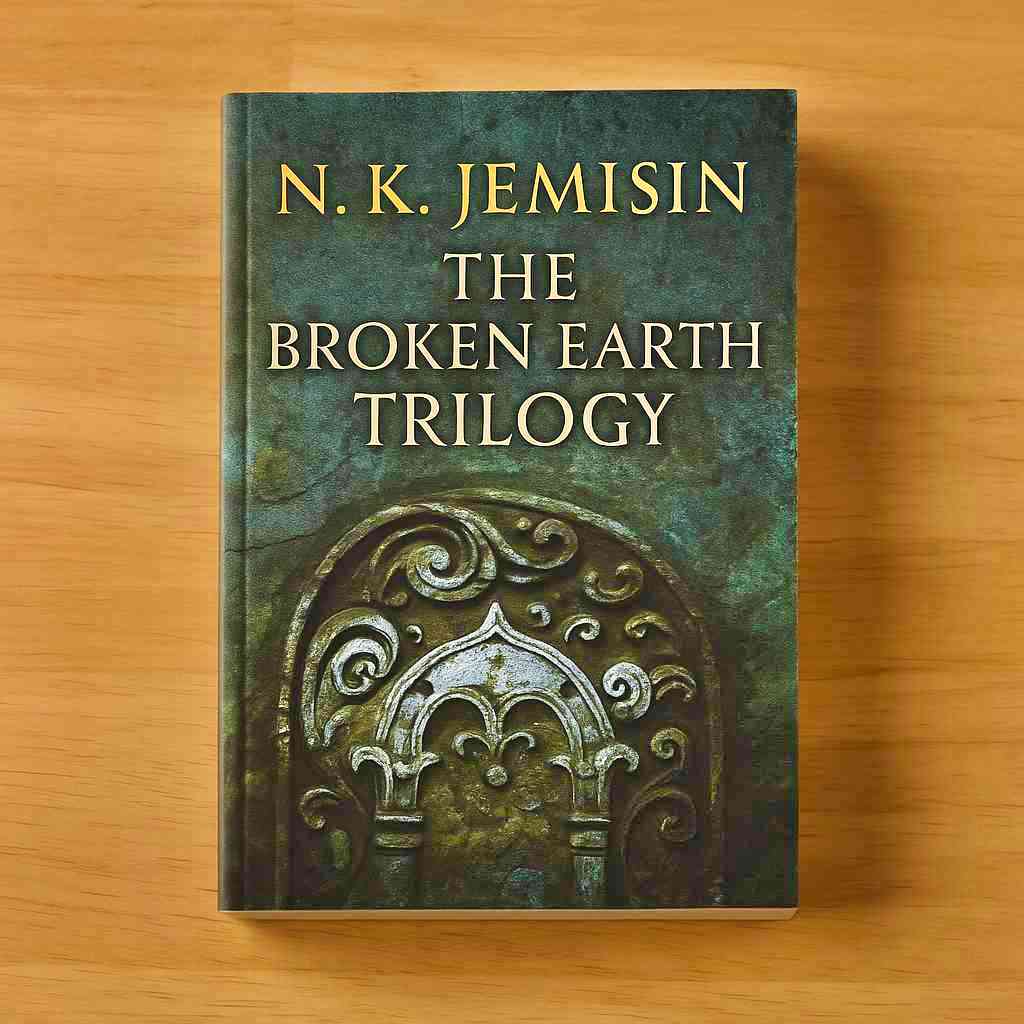
N.K. Jemisin’s “The Broken Earth Trilogy” is a captivating blend of science fiction and fantasy that has garnered critical acclaim. Set on a planet plagued by seismic activity, the series follows characters with the power to control the earth itself. Jemisin’s exploration of themes such as oppression, survival, and environmentalism adds depth to this gripping narrative.
Jemisin’s world is one where geological forces shape both the landscape and the societies that inhabit it, offering a profound meditation on humanity’s relationship with nature. The series’ exploration of power dynamics and systemic injustice challenges readers to consider the impact of oppression and the resilience of the human spirit. “The Broken Earth Trilogy” is both a thrilling adventure and a poignant social commentary.
The series’ richly developed characters and intricate world-building create a narrative that is both immersive and thought-provoking. Jemisin’s ability to weave complex themes into a compelling story ensures that “The Broken Earth Trilogy” remains a standout work in the realm of speculative fiction. Its exploration of identity and survival continues to resonate with readers.
“The Expanse Series” by James S.A. Corey
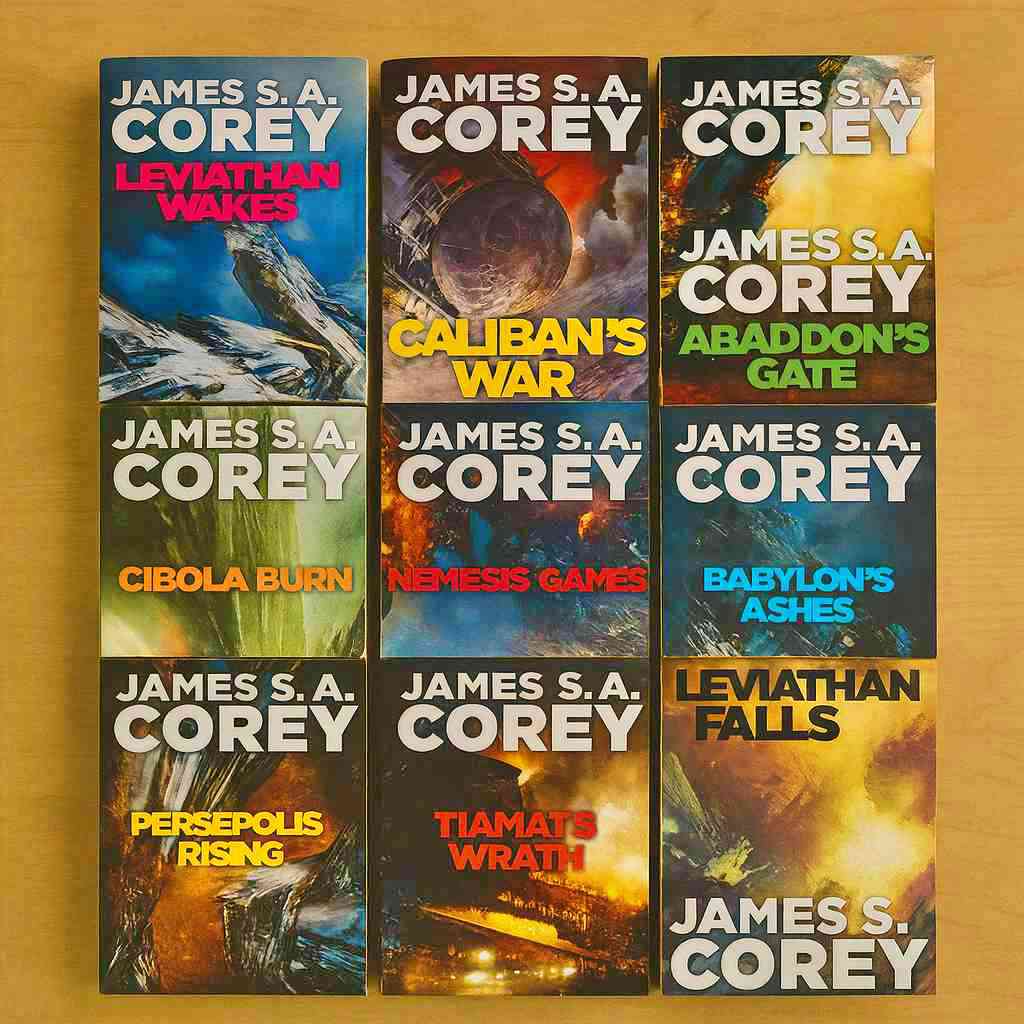
“The Expanse Series” by James S.A. Corey offers a thrilling mix of hard science fiction and space opera. Set in a future where humanity has colonized the solar system, the series follows a diverse cast of characters as they navigate political intrigue, interstellar conflict, and the mysteries of an ancient alien technology. With its intricate plot and compelling world-building, “The Expanse” is a must-read for fans of epic sci-fi.
Corey’s depiction of a future where humanity’s reach extends beyond Earth offers a rich exploration of the challenges and opportunities of interstellar expansion. The series’ focus on the political and social dynamics of a colonized solar system invites readers to consider the complexities of governance and cooperation in a multicultural universe. “The Expanse Series” is as much a study of human nature as it is a thrilling space adventure.
The series’ exploration of alien technology and its impact on human society adds a layer of mystery and intrigue to an already complex narrative. Corey’s ability to blend scientific realism with imaginative storytelling ensures that “The Expanse Series” remains a captivating journey through the cosmos. Its exploration of the unknown and the familiar continues to captivate readers and viewers alike.
Conclusion
Science fiction literature offers a vast and diverse landscape of stories that challenge our understanding of the world and inspire us to imagine the future. From classic science fiction novels to groundbreaking series, these timeless sci-fi classics are essential reads for anyone seeking to explore the limitless possibilities of the genre. Whether you’re drawn to dystopian futures, intergalactic adventures, or thought-provoking explorations of identity and society, these books will captivate your imagination and leave a lasting impact.
The genre’s ability to reflect contemporary issues while envisioning future possibilities is what makes science fiction a powerful medium for storytelling. It encourages readers to question the status quo and imagine new worlds and ideas. As we continue to navigate an ever-changing technological landscape, the lessons and insights offered by these timeless classics remain as relevant as ever.
Embracing the worlds and narratives found within these works allows readers to embark on journeys that challenge perceptions and expand horizons. The power of science fiction lies in its ability to inspire curiosity and wonder, inviting us to explore the boundaries of the possible. Whether you’re a lifelong fan or a newcomer to the genre, these timeless classics offer a gateway to the boundless imagination of science fiction.

 Previous Post
 Next Post