


Oscar Wilde: Wit, Beauty, and the Courage to Be Oneself
Oscar Wilde remains one of the most quoted, admired, and paradoxical figures in literary history. Known for his sharp wit, elegant prose, and fearless individuality, Wilde wrote stories and plays that continue to feel fresh more than a century after his death. His works explore beauty, morality, hypocrisy, love, and the tension between society’s expectations and personal truth.
Born in Dublin in 1854, Wilde became a leading voice of the Aesthetic Movement, which championed art for art’s sake. His rise to fame was swift, his fall deeply public, and his legacy enduring. Despite personal suffering and social rejection later in life, Wilde’s writing never lost its brilliance or humanity. Today, many of his works are in the public domain, making them freely accessible to readers around the world.
Why Oscar Wilde Still Matters
What makes Wilde timeless is not just his cleverness, but his insight into human nature. He understood how people perform for society, how easily virtue can become vanity, and how costly it can be to live honestly. His writing is playful on the surface, yet serious beneath — often using humor to expose uncomfortable truths.
For modern readers, Wilde offers both delight and reflection. His stories entertain, but they also invite us to ask who we are beneath appearances.
Oscar Wilde’s Public Domain Books (With Short Reviews)
All of the following works can be freely included in our digital library.
The Picture of Dorian Gray (1890)
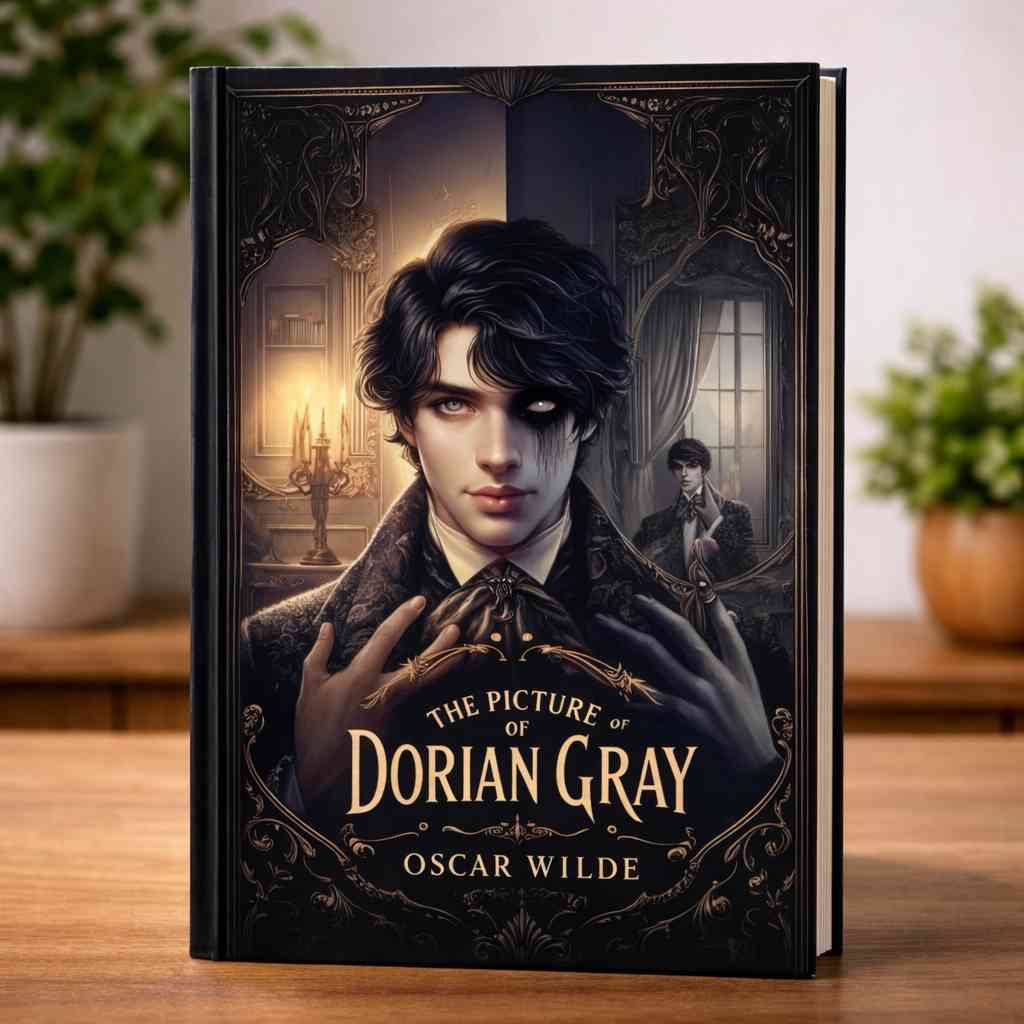
Wilde’s only novel is also his most famous work. It tells the story of a young man who remains outwardly youthful while a hidden portrait bears the marks of his moral decay.
Why read it:
This novel is a haunting meditation on vanity, temptation, and the cost of living without conscience. It is both beautiful and unsettling, raising questions about identity, responsibility, and the pursuit of pleasure.
The Importance of Being Earnest (1895)
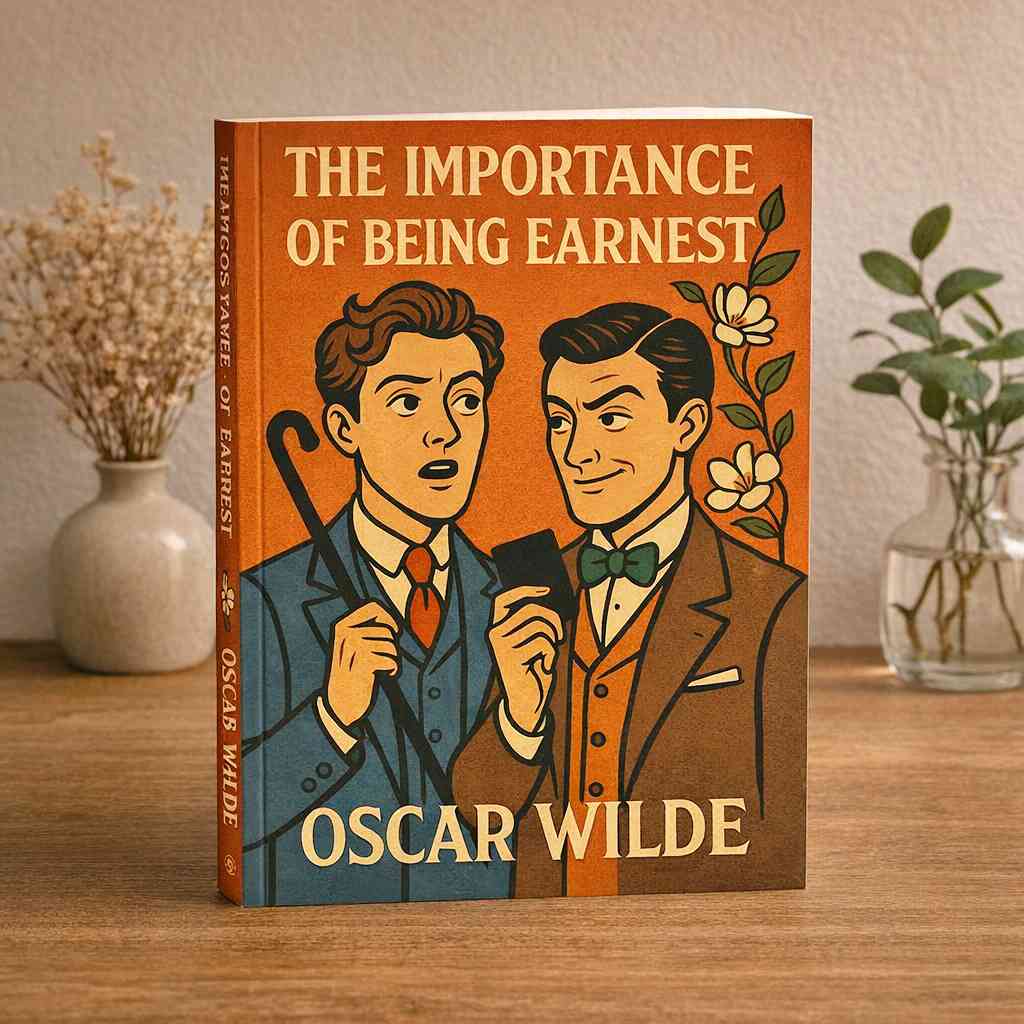
A sparkling comedy of manners built on mistaken identities, secret engagements, and social absurdities.
Why read it:
Light, clever, and endlessly quotable, this play is a joyful critique of Victorian society. Beneath the humor lies a sharp commentary on how seriously people take things that matter very little — and how little they sometimes value what truly matters.
An Ideal Husband (1895)

A political drama that explores reputation, integrity, and forgiveness in public and private life.
Why read it:
This play balances humor with moral reflection. It asks whether perfection is realistic — or even desirable — and suggests that compassion may matter more than spotless virtue.
Lady Windermere’s Fan (1892)
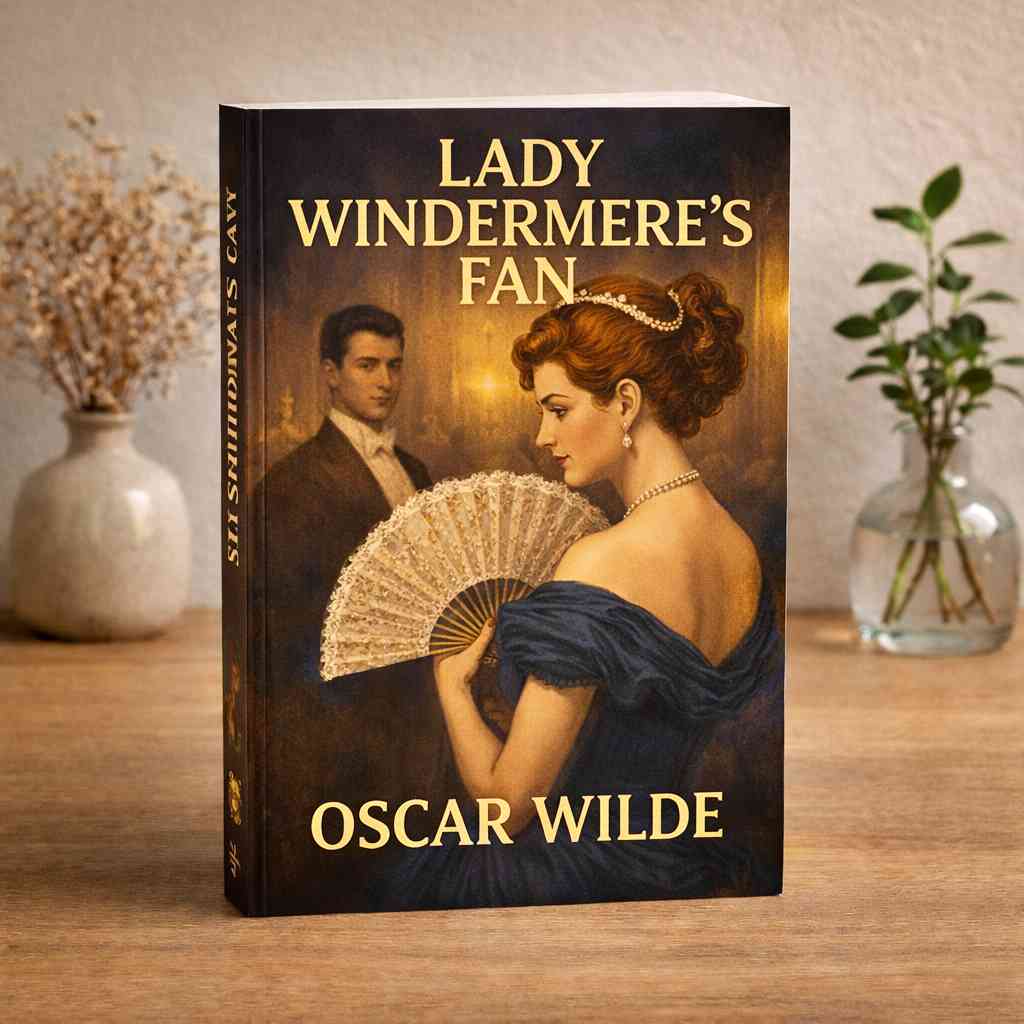
A social drama centered on marriage, scandal, and the judgments people make about one another.
Why read it:
Wilde challenges rigid moral thinking and exposes how easily society condemns without understanding. The play is engaging, thoughtful, and emotionally resonant.
A Woman of No Importance (1893)
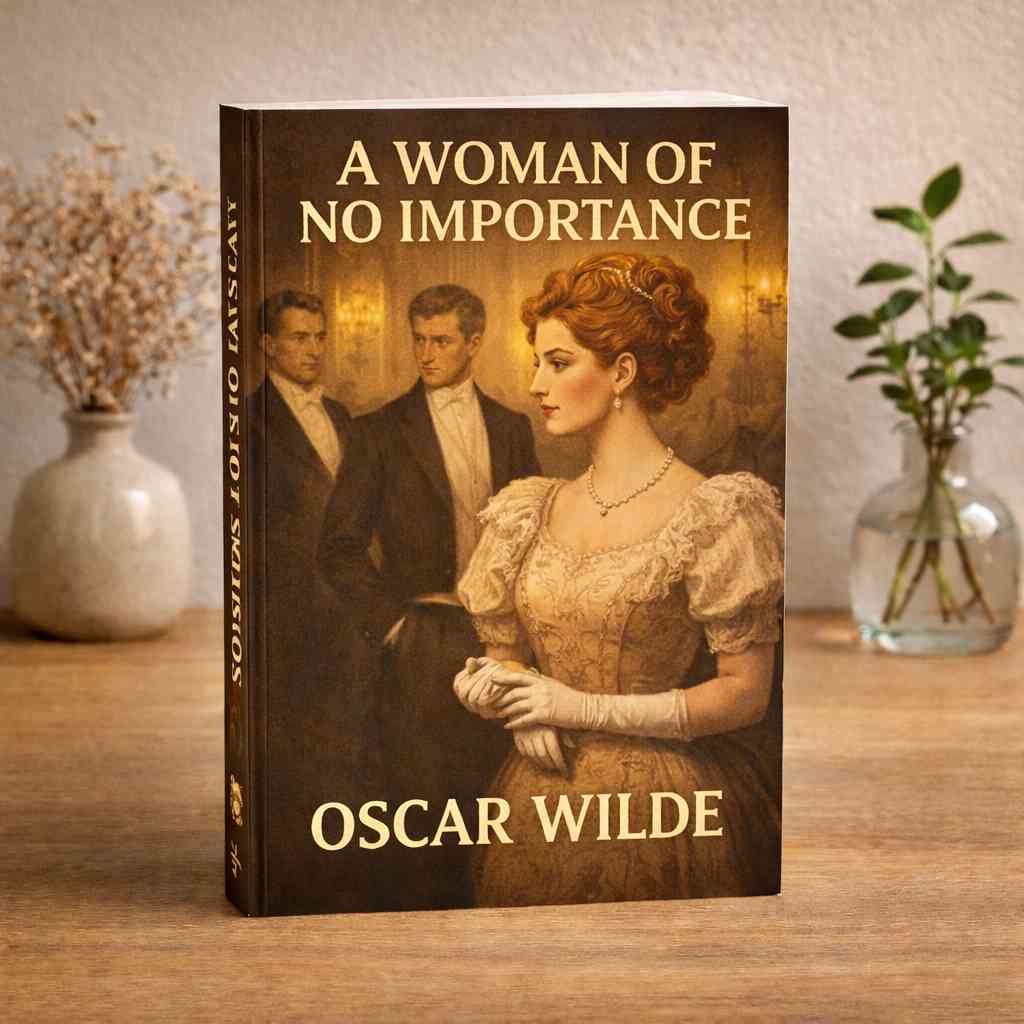
A play that confronts hypocrisy, gender double standards, and social reputation.
Why read it:
Less frequently read than Wilde’s comedies, this work is powerful and relevant. It highlights injustice while giving voice to quiet strength and dignity.
The Happy Prince and Other Tales (1888)
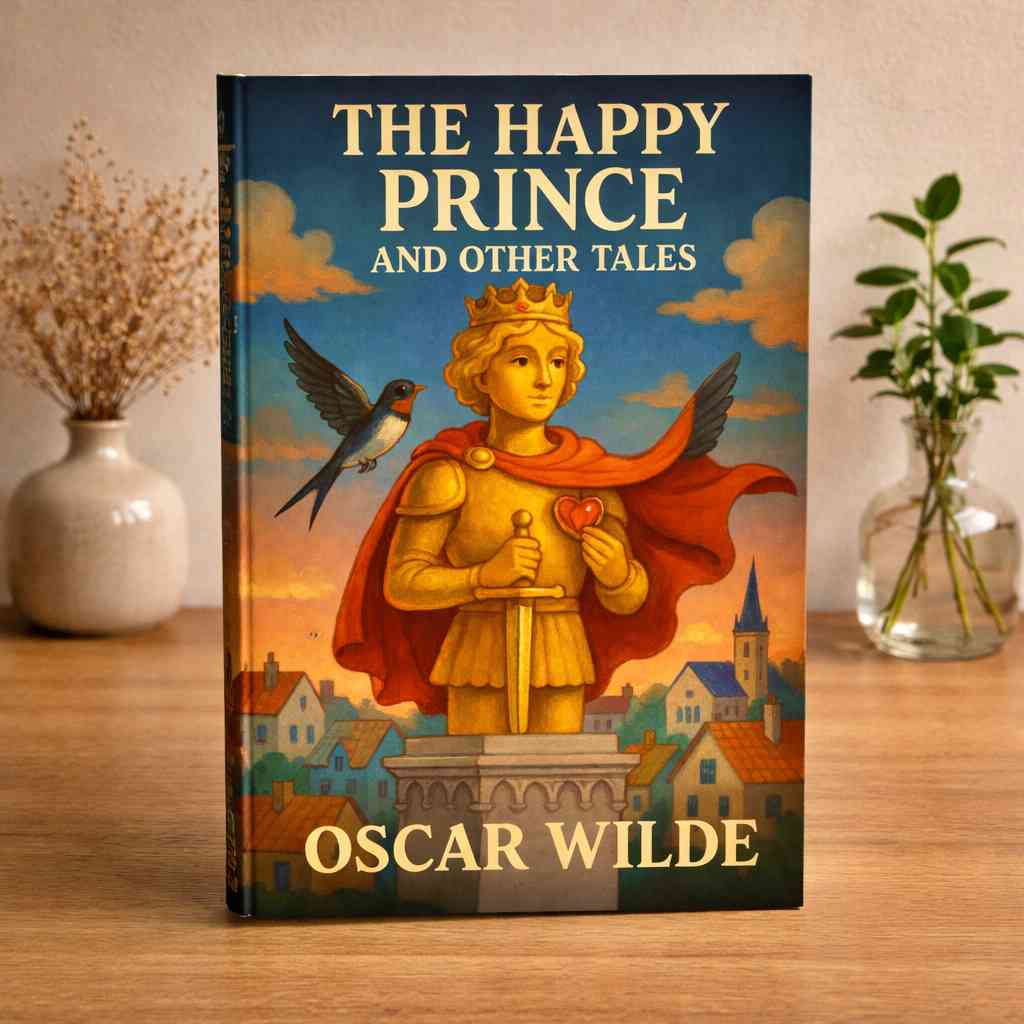
A collection of fairy tales including The Happy Prince, The Nightingale and the Rose, and The Selfish Giant.
Why read it:
Though often labeled as children’s stories, these tales are deeply moving and moral in tone. They explore love, sacrifice, kindness, and compassion with simplicity and emotional depth.
The House of Pomegranates (1891)
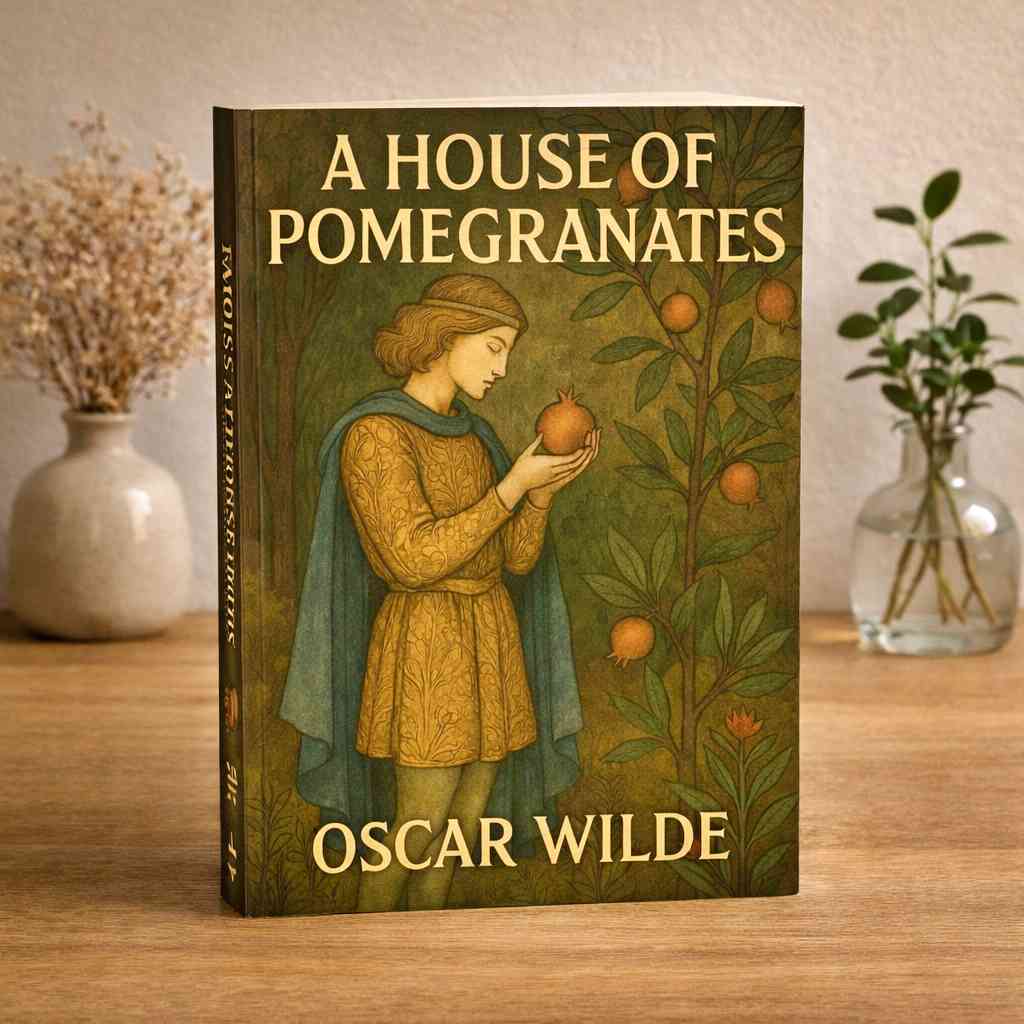
A second collection of fairy tales, including The Young King and The Birthday of the Infanta.
Why read it:
These stories are more symbolic and somber than Wilde’s earlier tales. They reward thoughtful readers with rich imagery and layered meaning.
De Profundis (written 1897, published 1905)
A long letter written during Wilde’s imprisonment, reflecting on suffering, love, faith, and self-understanding.
Why read it:
This is Wilde at his most honest and vulnerable. It offers profound insight into loss, humility, and the possibility of growth through pain.
The Ballad of Reading Gaol (1898)
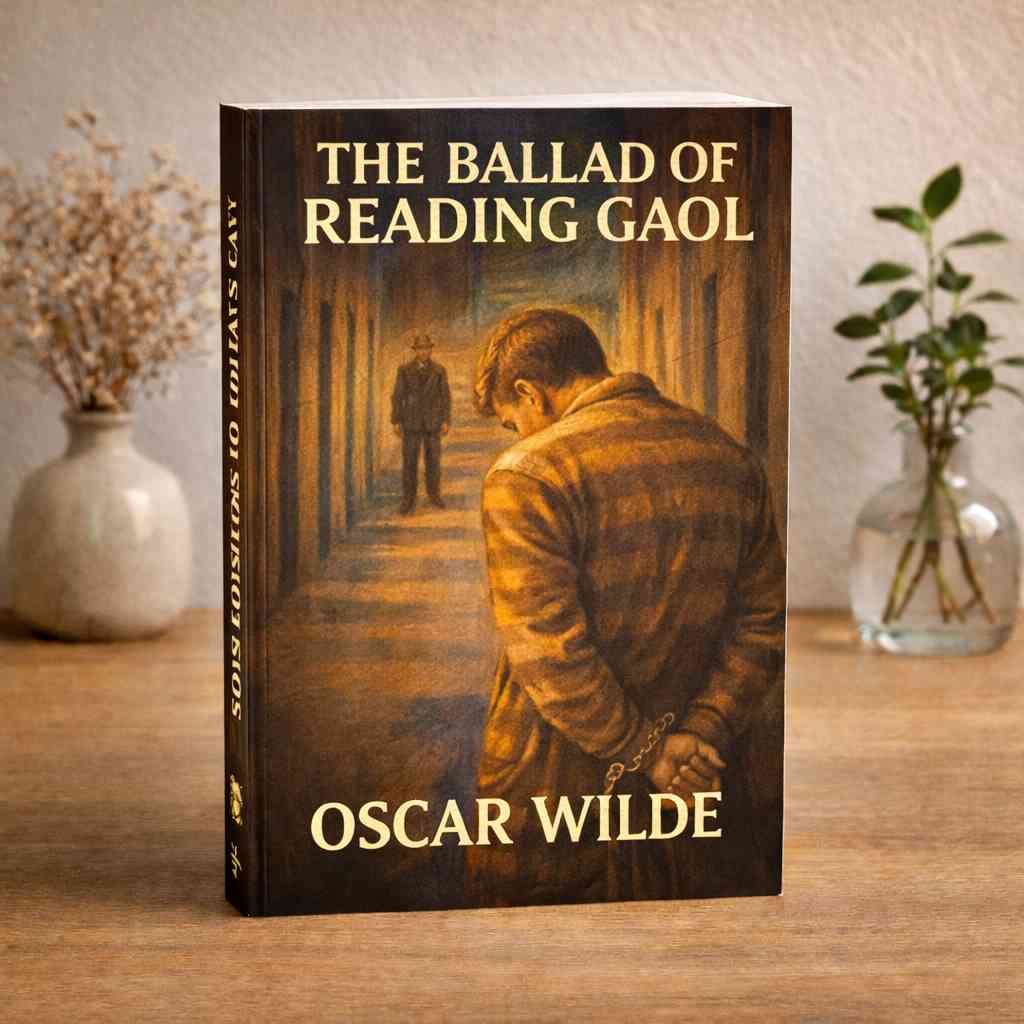
A narrative poem inspired by Wilde’s experience in prison and the execution of a fellow inmate.
Why read it:
Powerful and compassionate, this poem speaks against cruelty and injustice while affirming shared human dignity. It remains one of Wilde’s most moving works.
Reading Oscar Wilde Today
Oscar Wilde’s public-domain works offer readers a rare combination of elegance, humor, and emotional truth. Whether you are drawn to his comedies, his fairy tales, or his more reflective writings, his voice remains unmistakable — playful, thoughtful, and deeply human.
For a digital library, Wilde is an ideal author to feature: widely loved, intellectually rich, and freely accessible. His works invite both enjoyment and reflection, making them as meaningful today as they were in his own time.

 Previous Post
 Next Post