
The Best Business Books for Aspiring Entrepreneurs
In the ever-evolving world of entrepreneurship, knowledge is power. Books offer a window into the minds of successful entrepreneurs and business leaders, allowing you to learn from their experiences, successes, and failures. By delving into these literary treasures, you can gain valuable insights and guidance on how to start and grow a business. Here, we’ve curated a list of essential books that every entrepreneur should consider reading to equip themselves with the knowledge and strategies necessary for success.
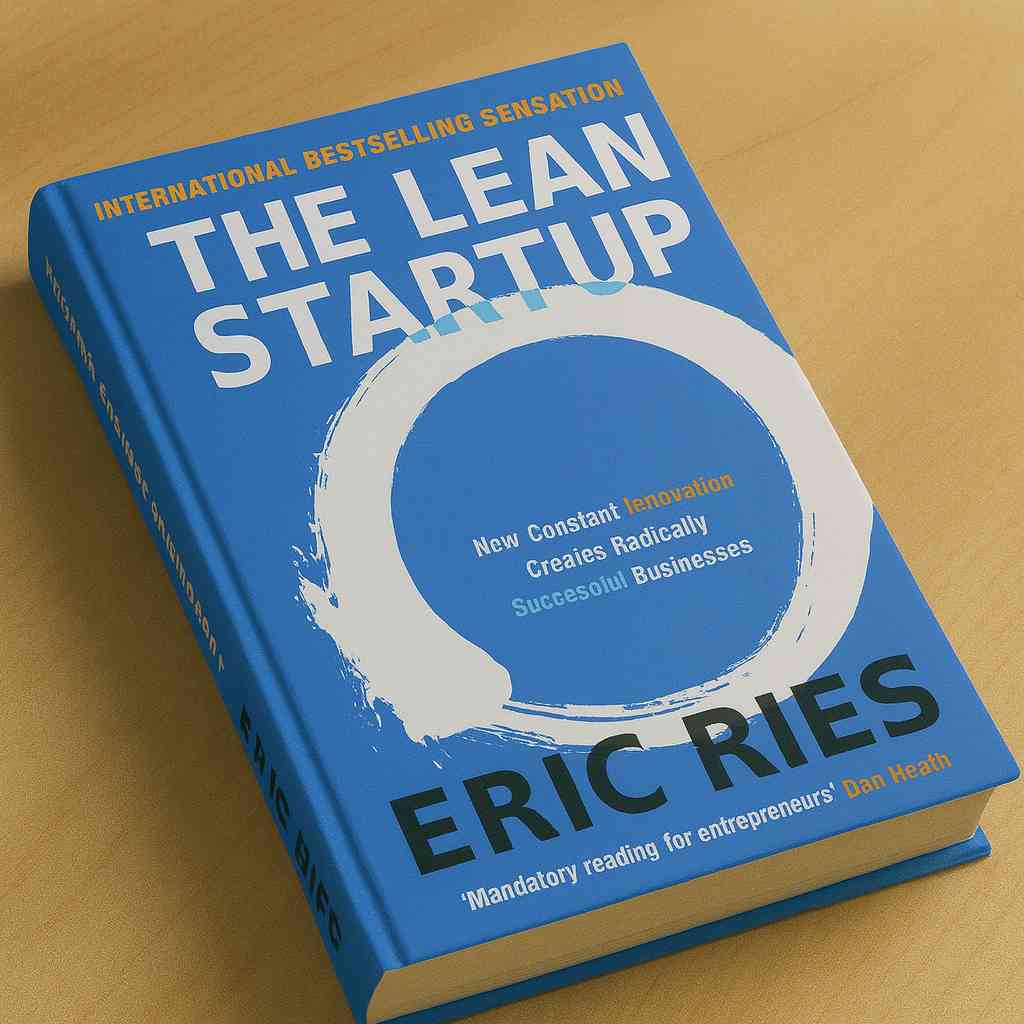
The Lean Startup by Eric Ries
Understanding Lean Methodology
“The Lean Startup” by Eric Ries has transformed how businesses are built and managed by introducing the concept of lean methodology. This methodology focuses on creating a Minimum Viable Product (MVP) that allows businesses to test their ideas with minimal resources. By doing so, entrepreneurs can gather customer feedback early and often, reducing the risk of investing heavily in a product that doesn’t meet market needs.
Lean methodology encourages startups to remain agile and responsive to customer feedback. This approach not only saves time and resources but also fosters innovation and adaptability. Entrepreneurs who embrace this mindset are better equipped to navigate the uncertainties of the market and pivot when necessary.
Continuous Testing and Adaptation
Ries emphasizes the importance of continuously testing your vision and adapting quickly. The ability to adjust your strategy based on real-world feedback is crucial in today’s fast-paced business environment. Entrepreneurs who adopt this iterative approach can stay ahead of the competition by refining their products and services to better meet customer demands.
The book also provides practical advice on how to implement these strategies effectively. By breaking down the process into manageable steps, Ries makes it accessible for entrepreneurs at any stage of their journey. This guidance is invaluable for those looking to launch a startup and sustain growth in a competitive landscape.
Building a Learning Organization
Creating a culture of learning within your organization is a key takeaway from “The Lean Startup.” Ries encourages entrepreneurs to foster an environment where experimentation and feedback are integral to the business strategy. By building a learning organization, businesses can continuously improve and innovate, ensuring long-term success.
This emphasis on learning extends beyond product development to all aspects of the business. From marketing to operations, a learning mindset can drive efficiency and effectiveness, ultimately leading to a more resilient and adaptable company.
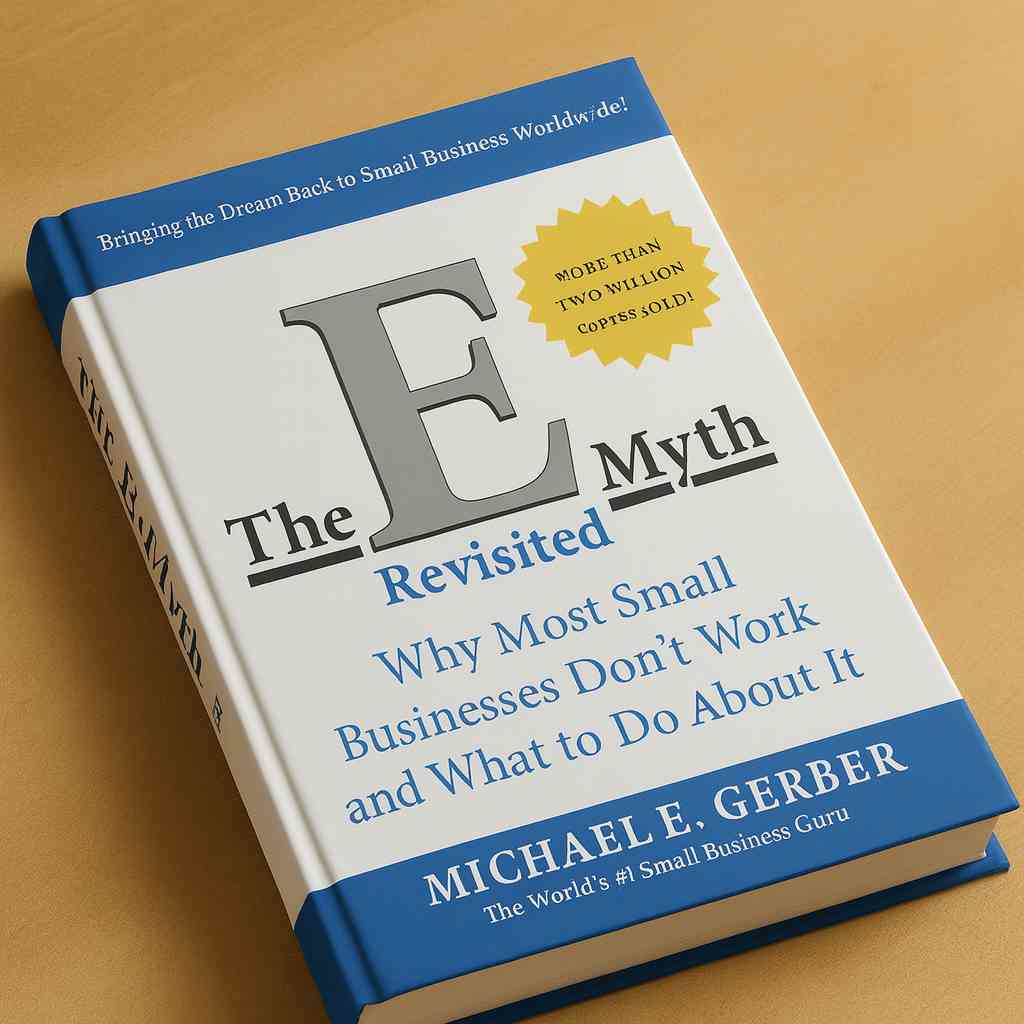
The E-Myth Revisited by Michael E. Gerber
Debunking the Entrepreneurial Myth
In “The E-Myth Revisited,” Michael E. Gerber challenges the common misconception that most small business owners are entrepreneurs. He argues that many individuals start businesses with technical skills but lack the entrepreneurial mindset needed to grow and sustain a business. This myth often leads to businesses that are overly reliant on the owner’s presence and input.
Gerber’s insights help entrepreneurs recognize the importance of distinguishing between working on your business versus in your business. By understanding this difference, business owners can shift their focus from day-to-day operations to strategic growth and development.
Creating Systems and Processes
One of the core messages of the book is the necessity of creating systems and processes that allow a business to function independently of its owner. Gerber offers a step-by-step guide on how to develop these systems, enabling entrepreneurs to scale their operations and achieve greater efficiency.
Implementing standardized processes not only streamlines operations but also enhances consistency and quality across the business. This systematic approach is essential for entrepreneurs who aim to build a business that can thrive without their constant involvement, allowing them to focus on strategic growth.
Building a Business That Works for You
Gerber emphasizes the importance of designing a business that aligns with your personal goals and lifestyle. By creating a business that works for you, rather than the other way around, entrepreneurs can achieve a more fulfilling and balanced life. This perspective encourages business owners to think critically about their long-term vision and how their business can support their aspirations.
Through real-life examples and practical advice, “The E-Myth Revisited” inspires entrepreneurs to take a holistic view of their business and its role in their lives. This broader perspective can lead to more sustainable and fulfilling entrepreneurial endeavors.
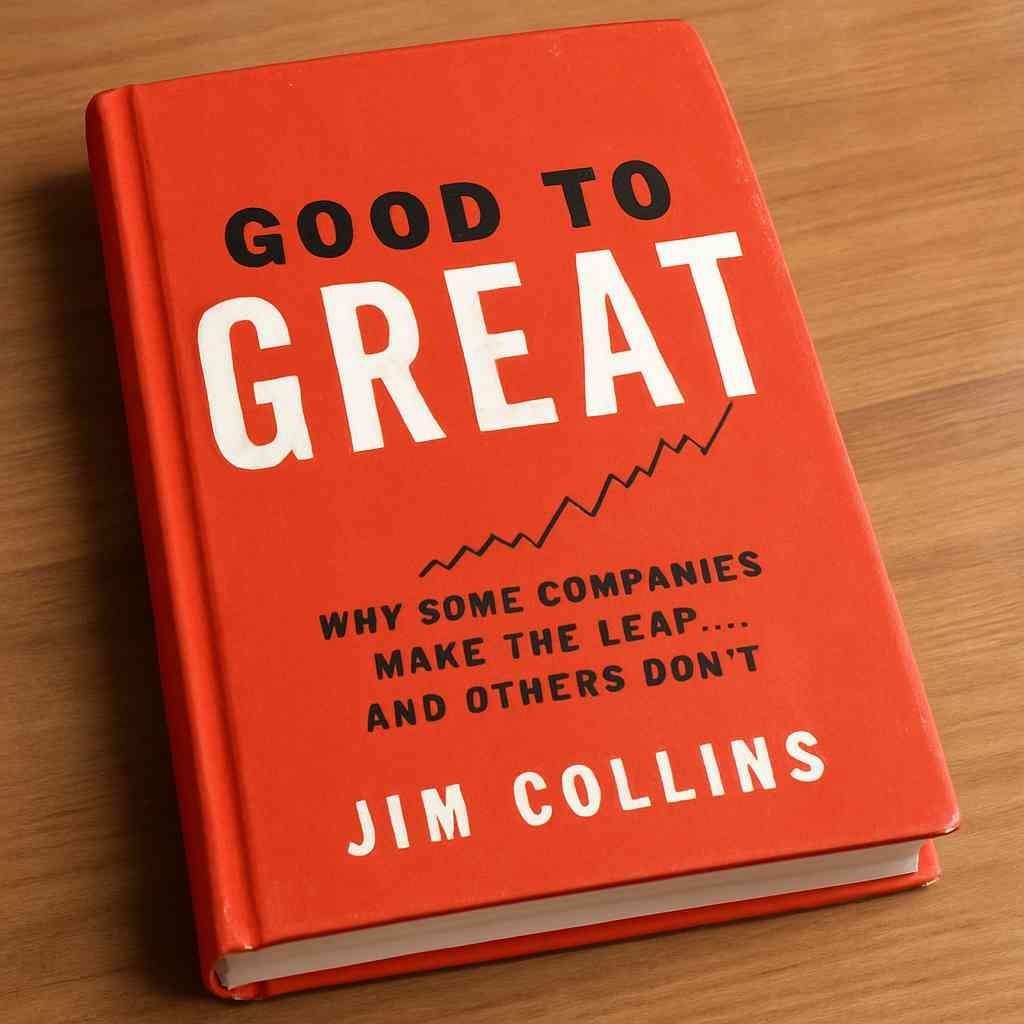
Good to Great by Jim Collins
The Journey from Good to Great
Jim Collins’ “Good to Great” delves into what it takes for companies to transition from being merely good to truly great. Through extensive research, Collins and his team identified key traits and practices that distinguished great companies from their competitors. This journey from good to great is not accidental; it requires deliberate and consistent effort.
The book provides a roadmap for businesses striving to achieve greatness. By understanding the principles that underpin successful organizations, entrepreneurs can implement strategies that lead to sustained excellence and competitive advantage.
The Hedgehog Concept
One of the central concepts introduced by Collins is the Hedgehog Concept. This idea revolves around the intersection of three key areas: what you are deeply passionate about, what you can be the best in the world at, and what drives your economic engine. By identifying and focusing on these areas, businesses can achieve clarity and purpose, guiding their strategic decisions.
The Hedgehog Concept encourages entrepreneurs to simplify and concentrate their efforts, leading to more focused and effective strategies. This clarity is crucial for businesses seeking to navigate complex markets and maintain a competitive edge.
Level 5 Leadership and the Flywheel Effect
Collins also explores the concept of Level 5 Leadership, which combines personal humility with professional will. These leaders prioritize the success of their company over personal accolades and are instrumental in driving their organizations to greatness. By fostering a culture of excellence and accountability, Level 5 Leaders inspire their teams to achieve remarkable results.
The Flywheel Effect is another powerful concept introduced in the book. It describes the momentum that builds over time as a company consistently applies its strategy and achieves incremental successes. This cumulative effect can propel a company to greatness, highlighting the importance of persistence and focus.
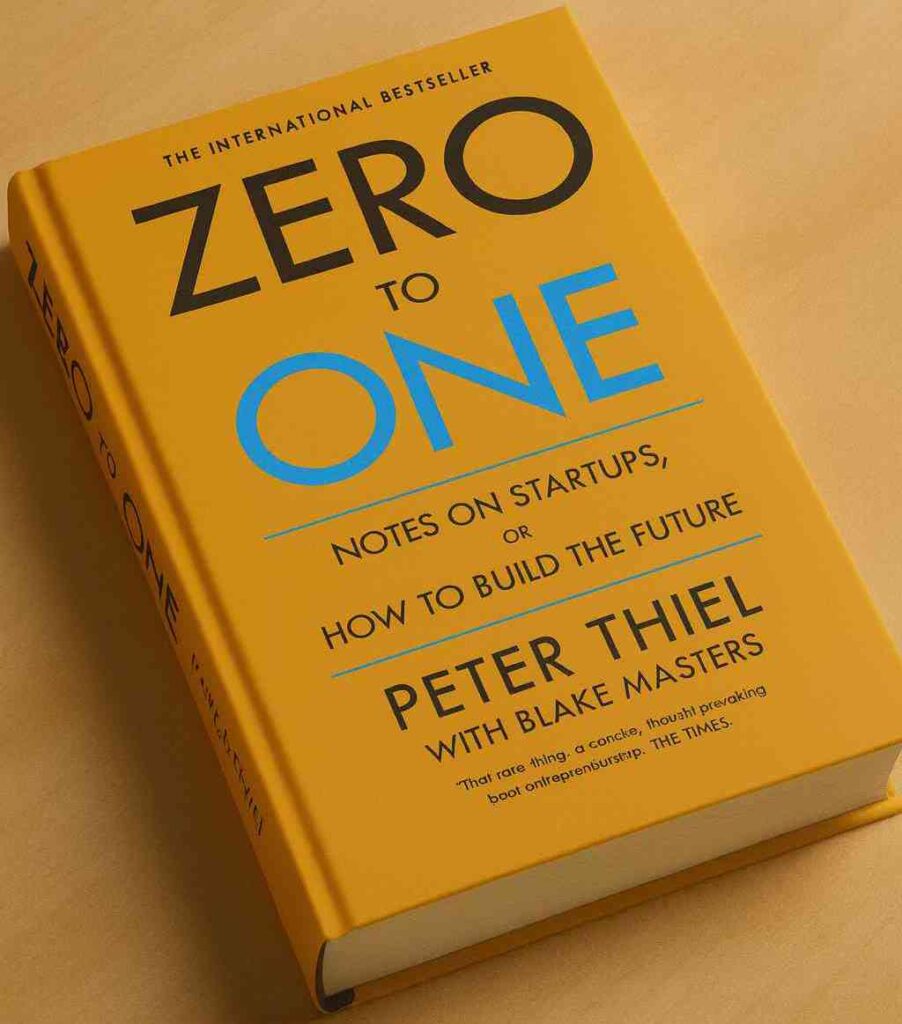
Zero to One by Peter Thiel
Innovation and Creating New Markets
In “Zero to One,” Peter Thiel, co-founder of PayPal, offers a unique perspective on innovation and entrepreneurship. Thiel emphasizes the importance of creating truly innovative products and services that open up new markets, rather than competing in existing ones. This approach challenges entrepreneurs to think beyond incremental improvements and aim for groundbreaking innovations.
Thiel’s insights encourage entrepreneurs to identify opportunities where they can create something entirely new, moving from “zero to one” rather than “one to many.” This mindset fosters creativity and bold thinking, essential for those looking to make a significant impact.
Building Monopolies and Lasting Value
Thiel discusses how to build a monopoly by creating a product or service so unique and valuable that it becomes difficult for competitors to replicate. By establishing a strong market position, businesses can achieve sustainable success and profitability. This requires a combination of innovation, strategic vision, and execution.
The book also explores the concept of lasting value, urging entrepreneurs to focus on long-term growth rather than short-term gains. By building a business with enduring value, entrepreneurs can create a legacy that continues to thrive and evolve.
Challenging Conventional Thinking
“Zero to One” challenges conventional thinking by encouraging entrepreneurs to question assumptions and explore new possibilities. Thiel advocates for thinking big and aiming for exponential growth, rather than settling for incremental progress. This perspective inspires entrepreneurs to push boundaries and pursue ambitious goals.
By embracing unconventional ideas and strategies, entrepreneurs can differentiate themselves in a crowded marketplace and drive meaningful change. Thiel’s book serves as a catalyst for innovative thinking and bold action.
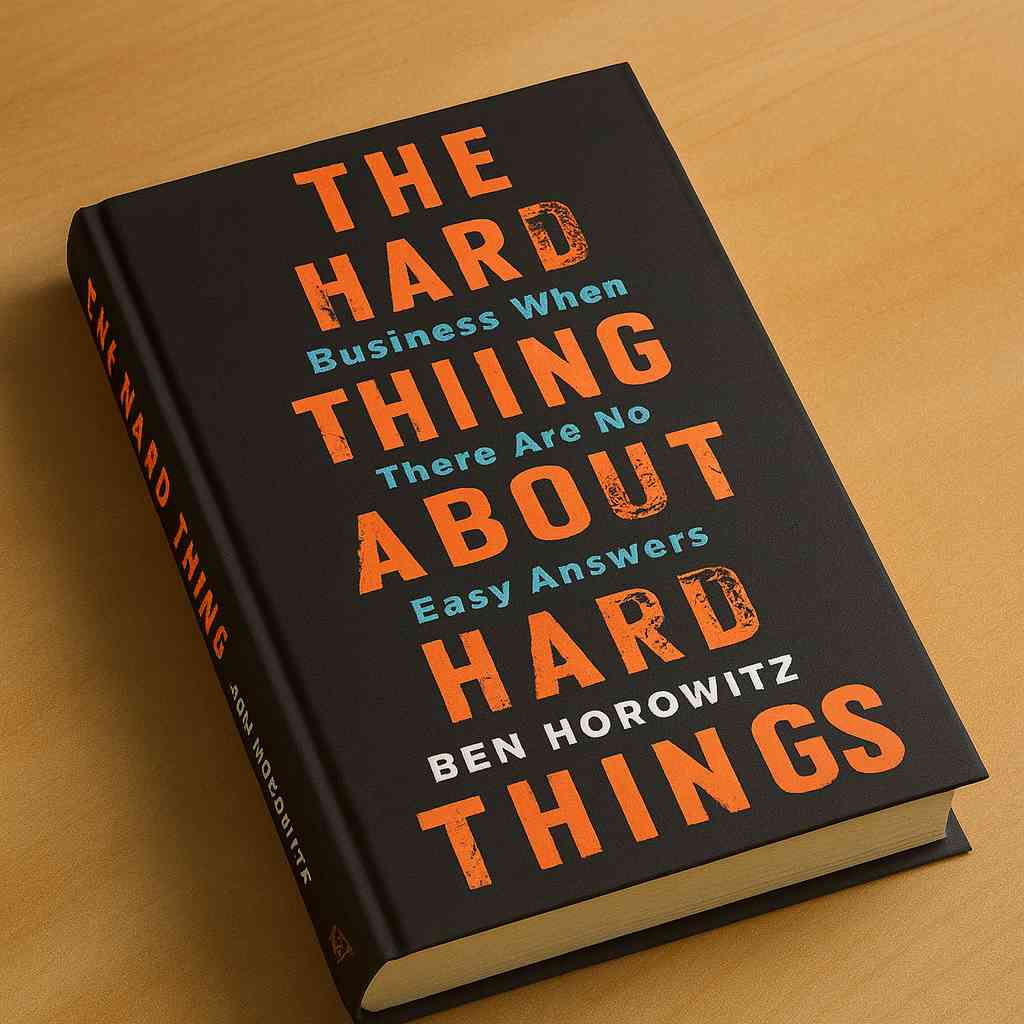
The Hard Thing About Hard Things by Ben Horowitz
Navigating the Challenges of Entrepreneurship
Ben Horowitz’s “The Hard Thing About Hard Things” offers candid insights into the challenges of building and running a startup. Horowitz draws from his own experiences, sharing lessons learned from both successes and failures. His honest and straightforward approach provides a realistic view of the entrepreneurial journey.
Entrepreneurs face numerous obstacles, from managing growth to handling crises. Horowitz’s book offers practical advice on navigating these challenges, helping entrepreneurs prepare for the inevitable ups and downs of business ownership.
Hiring, Firing, and Building a Team
One of the critical aspects of entrepreneurship is building a strong team. Horowitz delves into the complexities of hiring and firing employees, highlighting the importance of assembling a talented and cohesive team. By sharing his experiences, Horowitz provides valuable insights into making tough decisions and fostering a positive company culture.
Building a team that aligns with your vision and values is essential for long-term success. Horowitz’s book offers guidance on how to attract and retain top talent, creating a foundation for growth and innovation.
Managing Growth and Unexpected Crises
As businesses grow, they often face unexpected challenges and crises. Horowitz shares strategies for managing growth and dealing with unforeseen events, drawing from his own experiences in the tech industry. His book emphasizes the importance of resilience and adaptability in the face of adversity.
By preparing for the unexpected and maintaining a proactive mindset, entrepreneurs can navigate crises more effectively. Horowitz’s insights offer a roadmap for overcoming obstacles and emerging stronger on the other side.
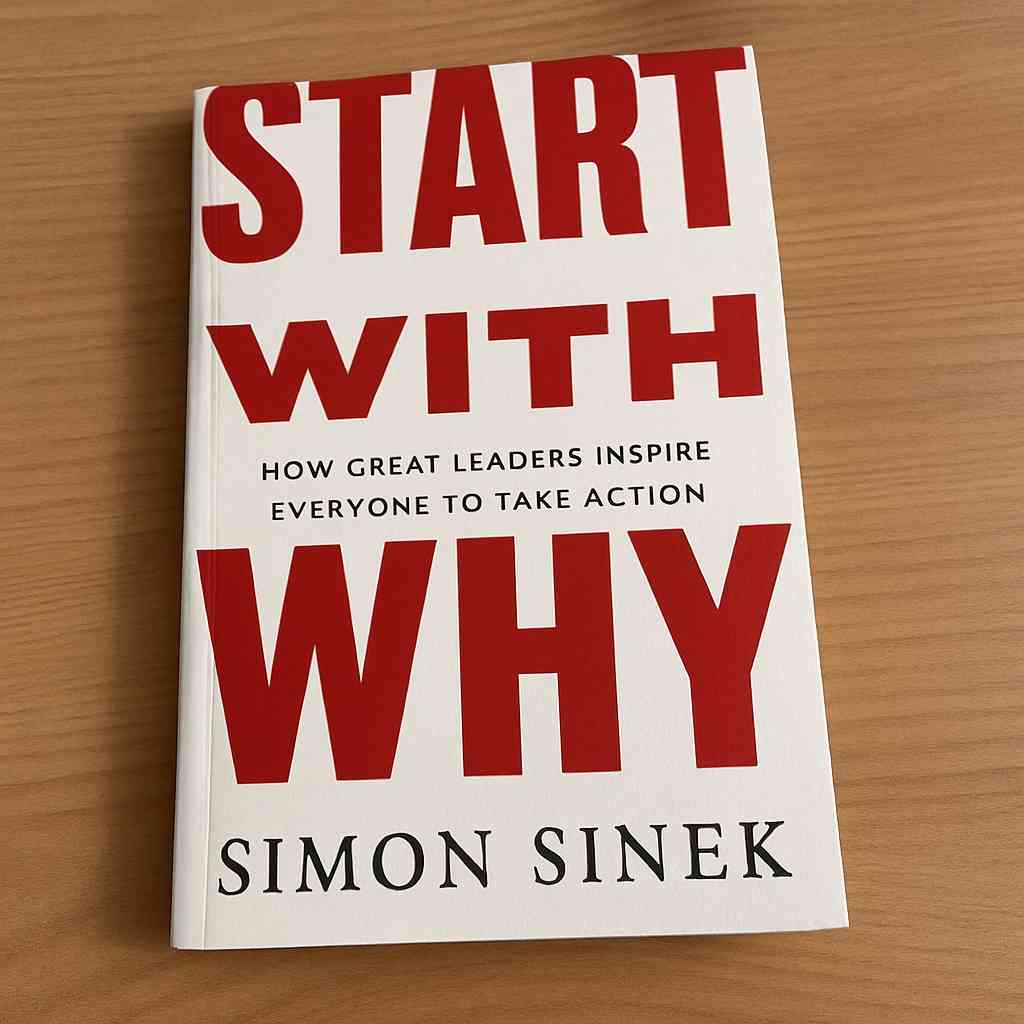
Start with Why by Simon Sinek
The Power of Purpose-Driven Leadership
In “Start with Why,” Simon Sinek explores the power of purpose-driven leadership and its ability to inspire employees and customers alike. Sinek argues that great leaders and organizations start with a clear understanding of their “why” — the purpose or belief that drives them. This foundational principle creates a sense of direction and meaning, guiding decision-making and strategy.
Purpose-driven leadership fosters a strong sense of identity and mission, motivating teams to work towards a common goal. By articulating their “why,” entrepreneurs can inspire loyalty and commitment from their employees and customers.
Creating a Vision and Strong Sense of Purpose
Sinek’s book provides a framework for entrepreneurs to articulate their vision and create a strong sense of purpose within their organizations. By understanding and communicating their “why,” entrepreneurs can build a loyal customer base and motivated teams. This clarity of purpose serves as a guiding light, helping businesses navigate challenges and opportunities.
A clear vision and purpose also enhance brand identity and differentiation. Customers are more likely to connect with brands that align with their values and beliefs, fostering long-term relationships and advocacy.
Inspiring and Leading with Purpose
“Start with Why” emphasizes the importance of leading with purpose and authenticity. Sinek encourages entrepreneurs to prioritize their values and beliefs, creating a culture of trust and integrity. By leading with purpose, entrepreneurs can inspire others to join their mission and contribute to a shared vision of success.
This approach to leadership not only drives business success but also creates a positive impact on employees, customers, and communities. Sinek’s book serves as a reminder that purpose-driven leadership is a powerful catalyst for change and growth.
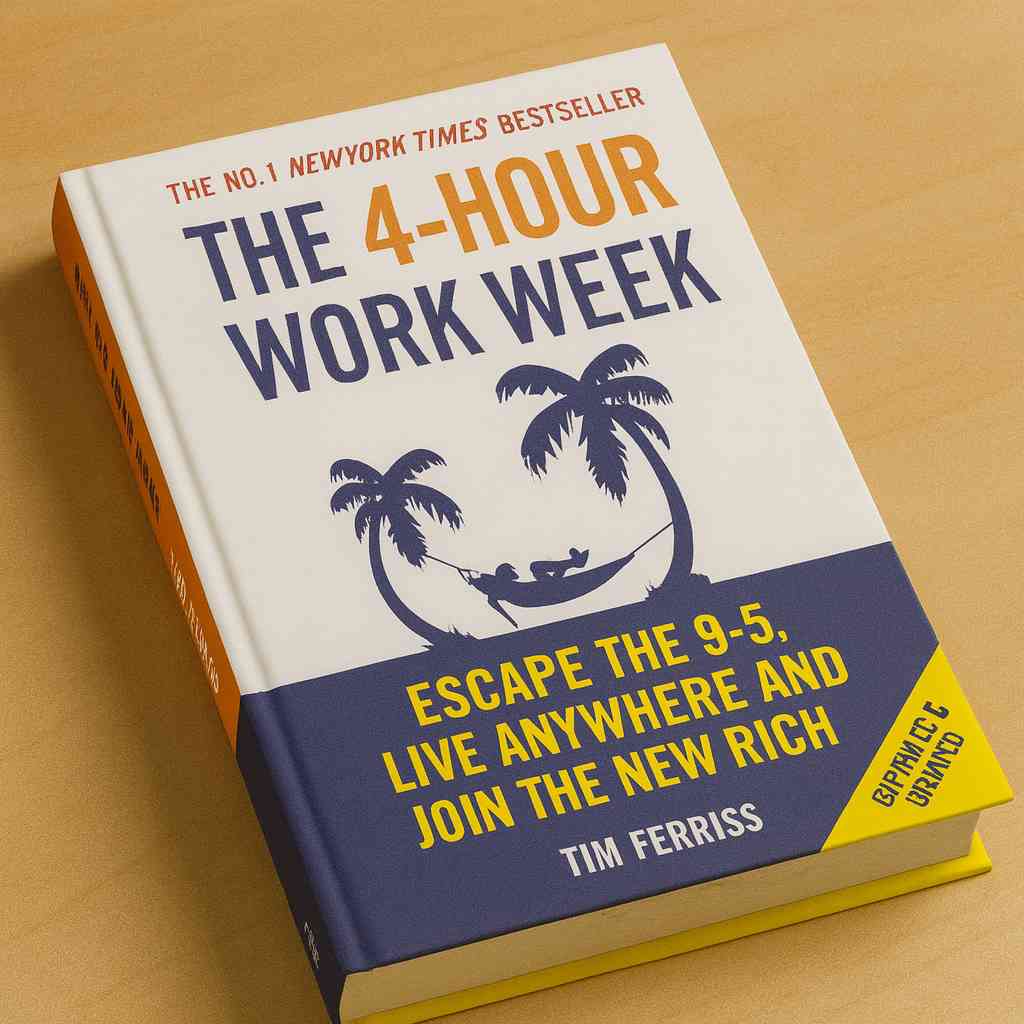
The 4-Hour Workweek by Tim Ferriss
Challenging Traditional Work and Productivity
Tim Ferriss’s “The 4-Hour Workweek” challenges traditional notions of work and productivity. Ferriss shares his journey of escaping the 9-to-5 grind and creating a lifestyle of freedom and flexibility through entrepreneurship. By questioning conventional work structures, Ferriss inspires entrepreneurs to think differently about how they allocate their time and energy.
Ferriss encourages readers to prioritize tasks that truly matter and to focus on high-impact activities. This shift in mindset can lead to greater efficiency and effectiveness, allowing entrepreneurs to achieve more with less effort.
Strategies for Automating and Outsourcing
One of the key themes of the book is the use of automation and outsourcing to streamline operations. Ferriss offers practical strategies for delegating tasks and leveraging technology to free up time for strategic thinking and personal growth. By automating routine tasks, entrepreneurs can focus on innovation and value creation.
Outsourcing is another powerful tool for increasing productivity and flexibility. Ferriss provides insights into how entrepreneurs can build a support network that allows them to scale their efforts without sacrificing quality or control.
Achieving Work-Life Balance and Efficiency
“The 4-Hour Workweek” emphasizes the importance of work-life balance and lifestyle design. Ferriss shares tips on time management, productivity, and achieving personal and professional goals. By designing a life that aligns with their values and aspirations, entrepreneurs can achieve greater fulfillment and satisfaction.
This holistic approach to entrepreneurship encourages individuals to consider not only their business success but also their overall well-being and happiness. Ferriss’s book serves as a guide for those seeking to create a more balanced and meaningful life.
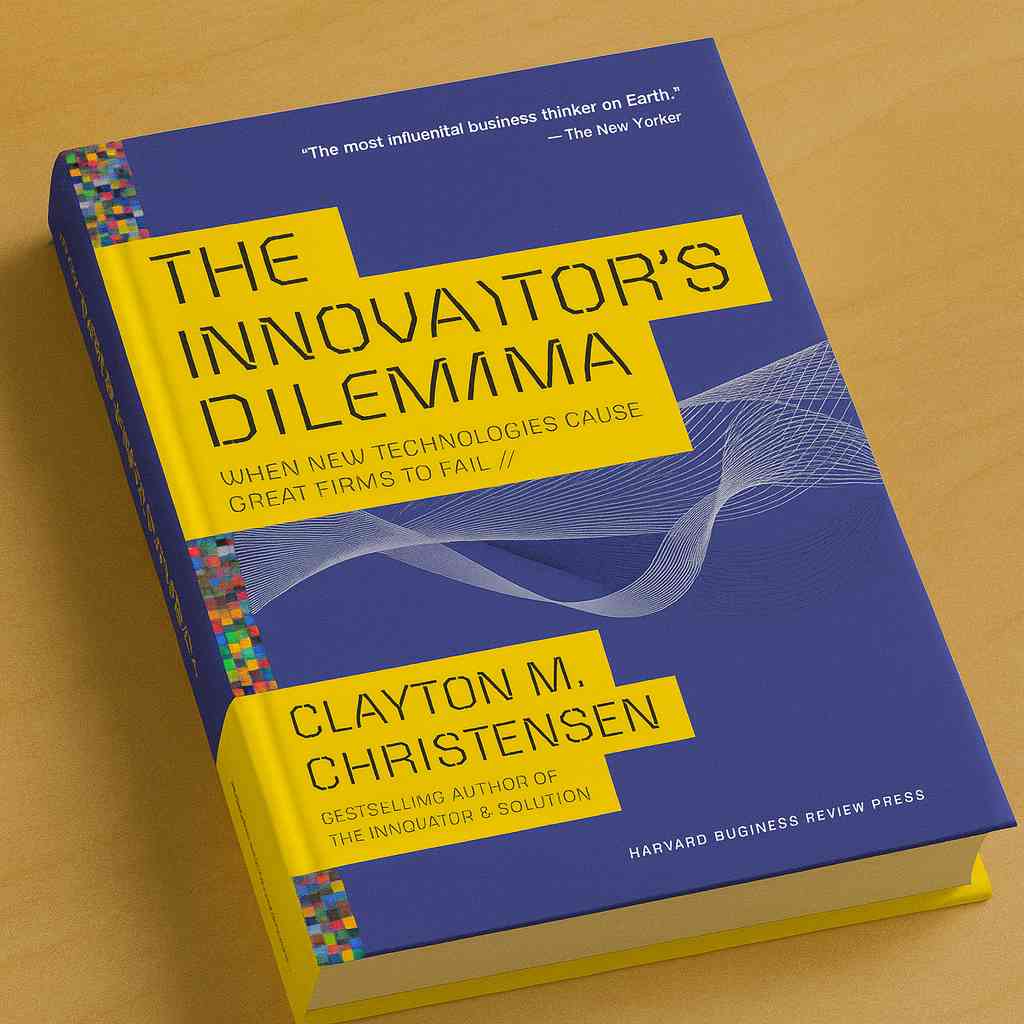
The Innovator’s Dilemma by Clayton M. Christensen
Understanding Disruptive Innovation
Clayton M. Christensen’s “The Innovator’s Dilemma” is a classic work on disruptive innovation. Christensen explores why successful companies often fail to embrace new technologies and business models, leaving room for innovative startups to disrupt the industry. This book provides a framework for understanding the dynamics of innovation and its impact on established businesses.
Disruptive innovation occurs when a new entrant challenges the status quo, offering products or services that meet the needs of underserved markets. Entrepreneurs who recognize these opportunities can leverage them to gain a competitive advantage and drive industry change.
Navigating Industry Changes
Christensen’s insights into the dynamics of innovation provide entrepreneurs with a roadmap for navigating industry changes and leveraging disruptive technologies to their advantage. By understanding the forces that drive change, entrepreneurs can position themselves to capitalize on new opportunities and mitigate risks.
The book also highlights the importance of staying agile and adaptable in the face of industry shifts. By maintaining a forward-thinking mindset, entrepreneurs can anticipate and respond to changes in the market, ensuring long-term success.
Leveraging Disruptive Technologies
“The Innovator’s Dilemma” encourages entrepreneurs to embrace disruptive technologies as a means of driving innovation and growth. By exploring new business models and technological advancements, businesses can differentiate themselves from competitors and create lasting value.
Christensen’s book provides a strategic framework for leveraging disruptive technologies, enabling entrepreneurs to stay ahead of the curve and capitalize on emerging trends. This approach fosters a culture of innovation and continuous improvement, essential for sustaining competitive advantage.
Conclusion
Reading is a powerful tool for personal and professional growth. The books listed above offer a wealth of knowledge and insights from successful entrepreneurs and thought leaders. By incorporating the lessons and strategies from these essential reads, aspiring entrepreneurs can better navigate the challenges of starting and growing a business.
Remember, entrepreneurship is a journey of continuous learning and adaptation. Each book offers unique perspectives and actionable advice that can inform your decisions and inspire your vision. Keep expanding your knowledge, stay curious, and always be open to new ideas. Happy reading and best of luck on your entrepreneurial journey!

 Previous Post