Best Books for 8th Graders: Must-Read Titles for Middle Schoolers
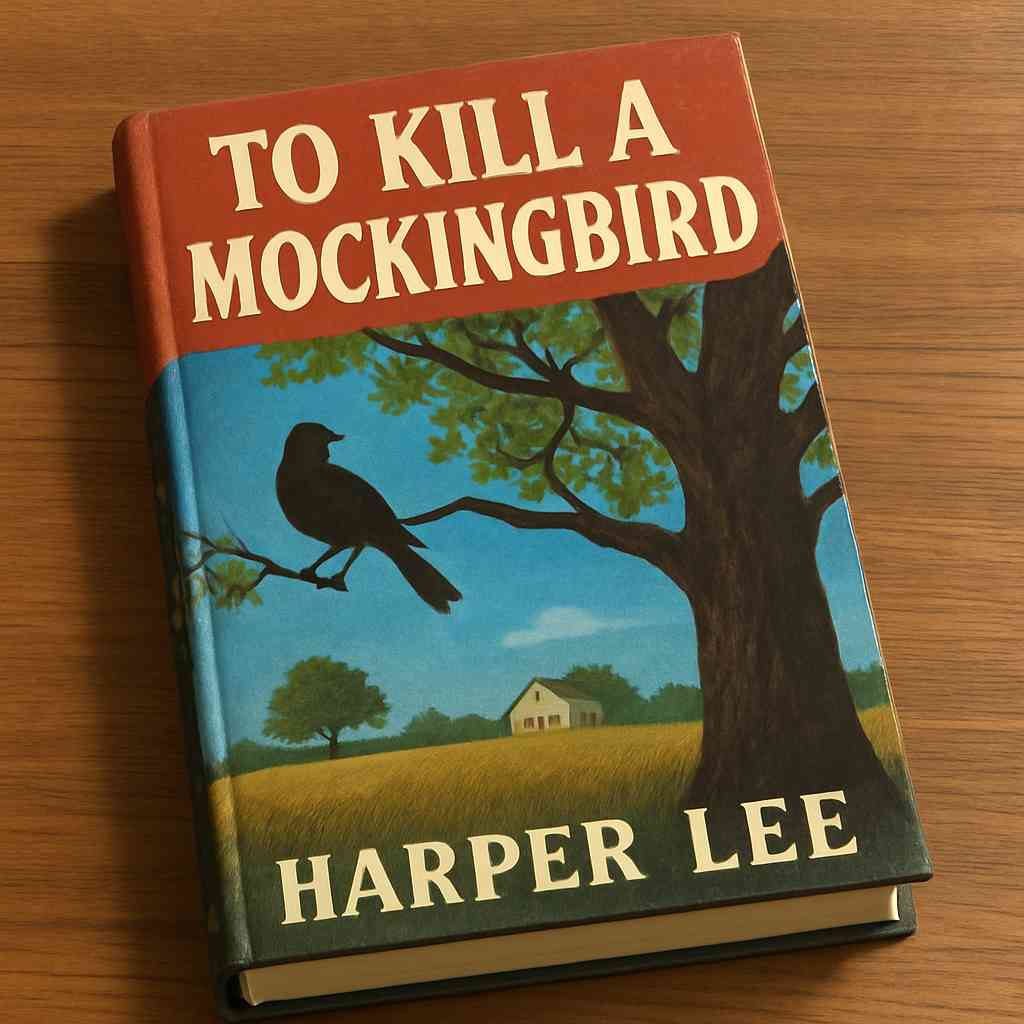
1. “To Kill a Mockingbird by Harper Lee
A Timeless Classic
Harper Lee’s classic novel, “To Kill a Mockingbird,” is a staple in many middle school reading lists. Its enduring popularity is due to its profound themes and relatable characters that continue to resonate with readers across generations. The narrative provides a historical snapshot of the American South during the 1930s, making it both an educational and thought-provoking read.
Exploring Racial Injustice
Set in a time of deep-rooted racial tensions, the novel tackles serious issues like racial injustice and moral growth. Through the innocent eyes of Scout Finch, readers are given a unique perspective on the harsh realities of prejudice and inequality. This theme encourages readers to reflect on the importance of fairness and equality in today’s world.
Lessons in Empathy and Understanding
Through the experiences of Scout and her father, Atticus Finch, the novel offers valuable lessons about empathy and understanding. It highlights the importance of seeing the world from others’ viewpoints, fostering a sense of compassion and awareness in young readers. These lessons are crucial in developing emotional intelligence and social awareness.
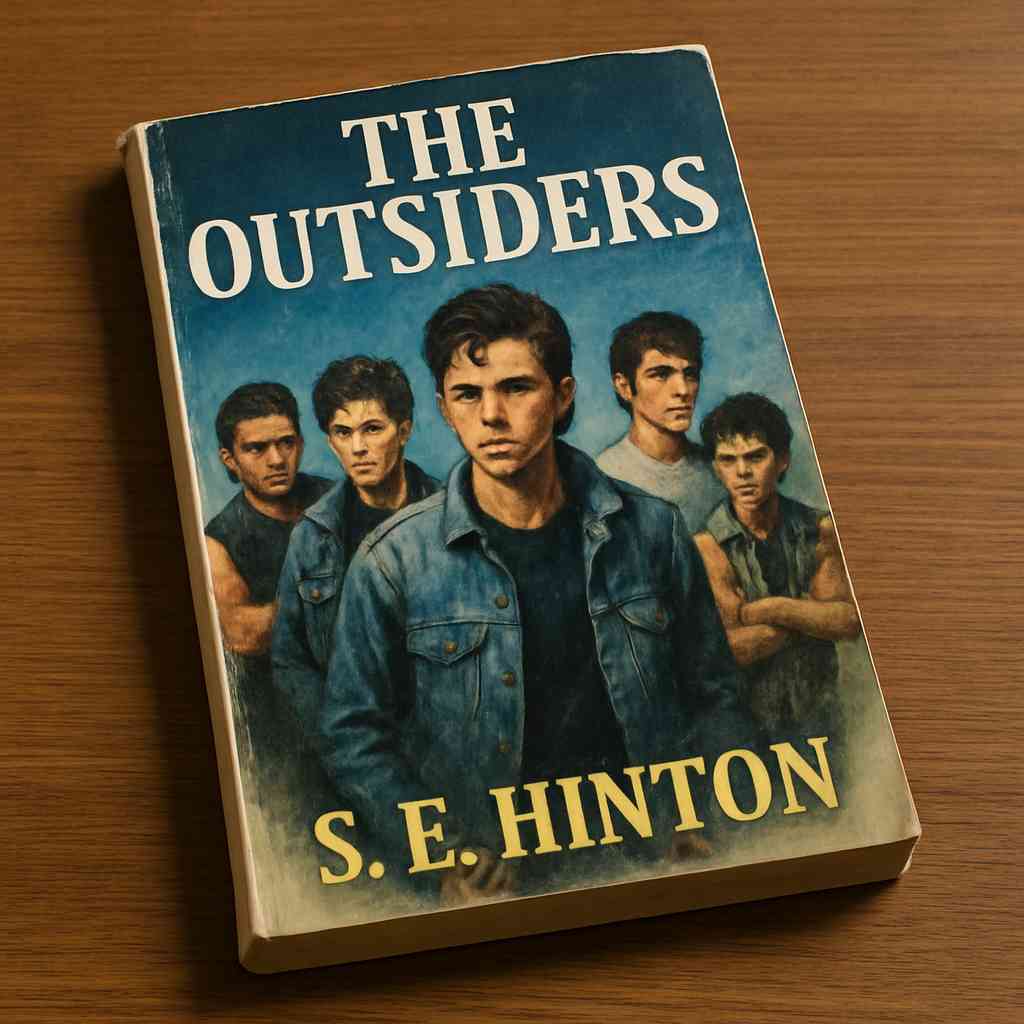
2. “The Outsiders” by S.E. Hinton
A Raw Look at Teenage Life
“The Outsiders” is a gripping tale of teenage rebellion and identity. Written by S.E. Hinton when she was just 16, this novel offers a raw and authentic portrayal of teenage life, making it highly relatable for young readers. Its candid exploration of adolescence speaks to the universal experiences of growing up.
Themes of Class Conflict and Brotherhood
This coming-of-age story explores themes of class conflict, brotherhood, and the struggle to find one’s place in the world. The tension between the Greasers and the Socs serves as a backdrop for exploring societal divisions and the quest for acceptance. These themes encourage readers to think critically about social class and its impact on individual identity.
Finding One’s Place in the World
The journey of Ponyboy Curtis and his gang is ultimately about finding one’s place in the world. The novel’s exploration of identity and belonging resonates with young readers, who may be navigating similar challenges in their own lives. It serves as a reminder of the importance of friendship and loyalty.
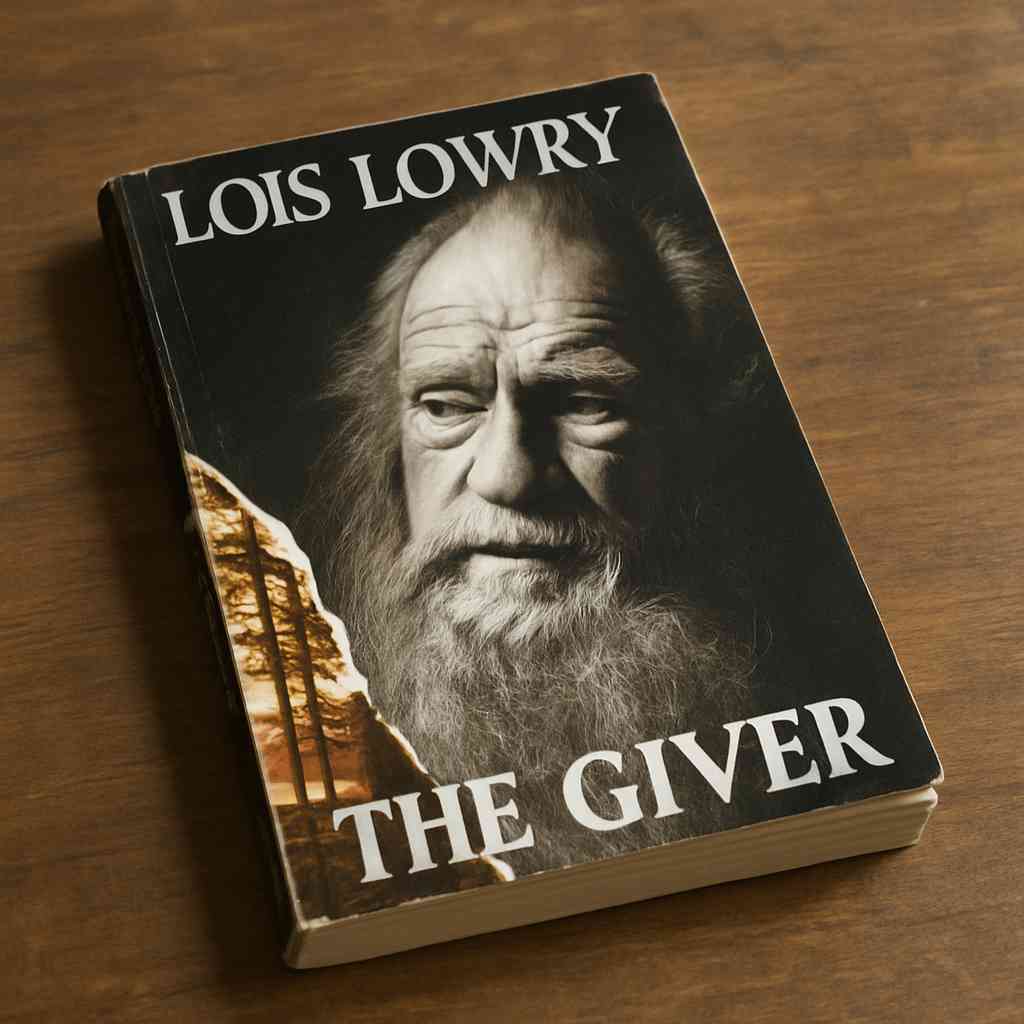
3. “The Giver” by Lois Lowry
Entering a Dystopian Society
In Lois Lowry’s “The Giver,” readers enter a dystopian society where everything is seemingly perfect. The novel’s setting invites readers to question the nature of utopia and the cost of societal control. It serves as a powerful introduction to dystopian literature, a genre that challenges conventional thinking.
The Journey of Jonas
As Jonas, the protagonist, becomes the Receiver of Memories, he uncovers the dark truths that lie beneath the surface. His journey is one of self-discovery and enlightenment, as he learns about the complexity of human emotions and the value of individuality. Jonas’s transformation is a compelling narrative that encourages readers to embrace their uniqueness.
Questioning Conformity and Valuing Individuality
This thought-provoking novel encourages readers to question conformity and the value of individuality. Through Jonas’s experiences, readers are invited to reflect on the importance of personal freedom and the dangers of a homogenized society. These themes are relevant in fostering independent thought and self-expression.
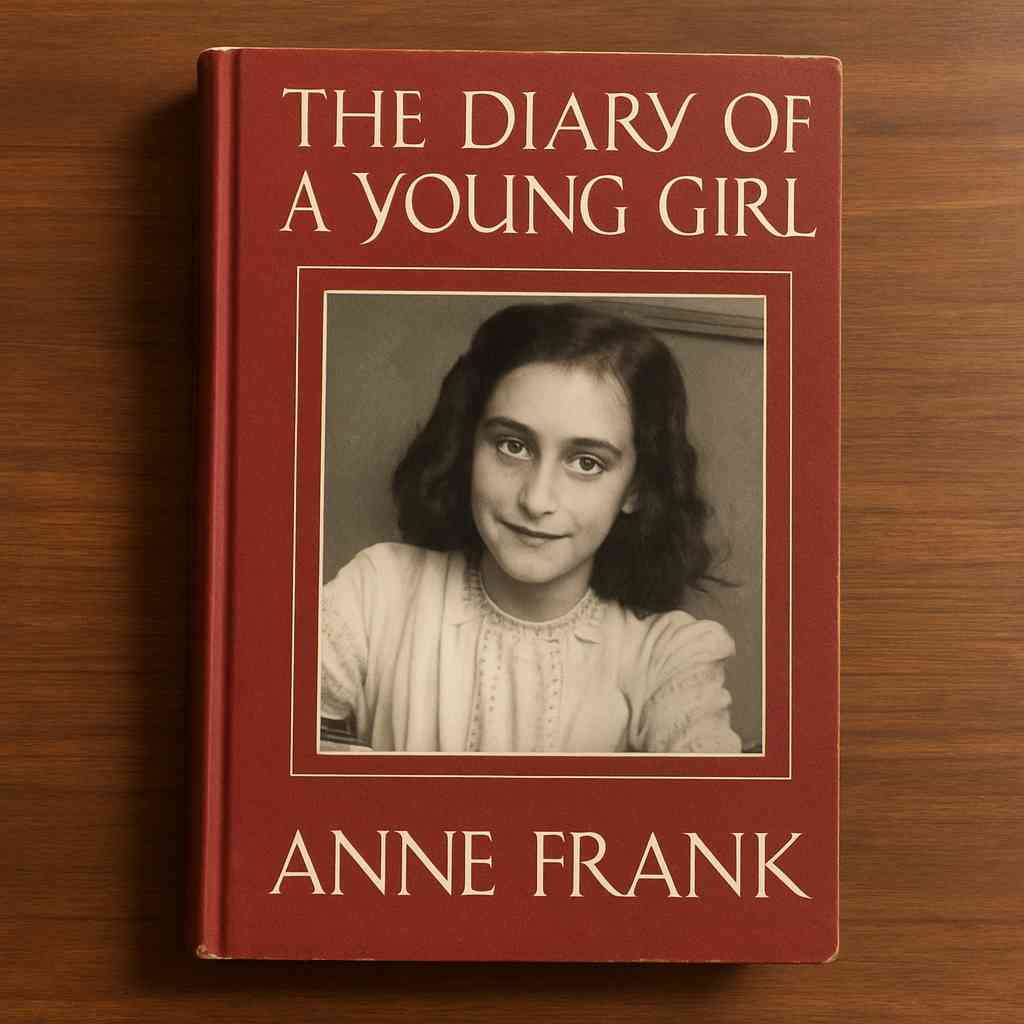
4. “Anne Frank: The Diary of a Young Girl” by Anne Frank
A Firsthand Account of War
This poignant diary of Anne Frank offers a firsthand account of life during the Holocaust. The personal nature of her writing provides an intimate glimpse into the challenges faced by those living in hiding. It serves as an important historical document that humanizes the impact of war.
The Thoughts and Experiences of Anne
Written while Anne was in hiding, the diary details her thoughts and experiences, giving readers a deeply personal look at the impact of war on a young girl. Her reflections on fear, hope, and the human spirit resonate deeply with readers. This personal narrative fosters empathy and historical awareness.
A Powerful Reminder of Resilience and Hope
Anne’s story serves as a powerful reminder of resilience and hope in the face of adversity. Her unwavering optimism and courage offer inspiration to readers, highlighting the strength of the human spirit. These themes are crucial in teaching young readers about perseverance and the importance of hope.
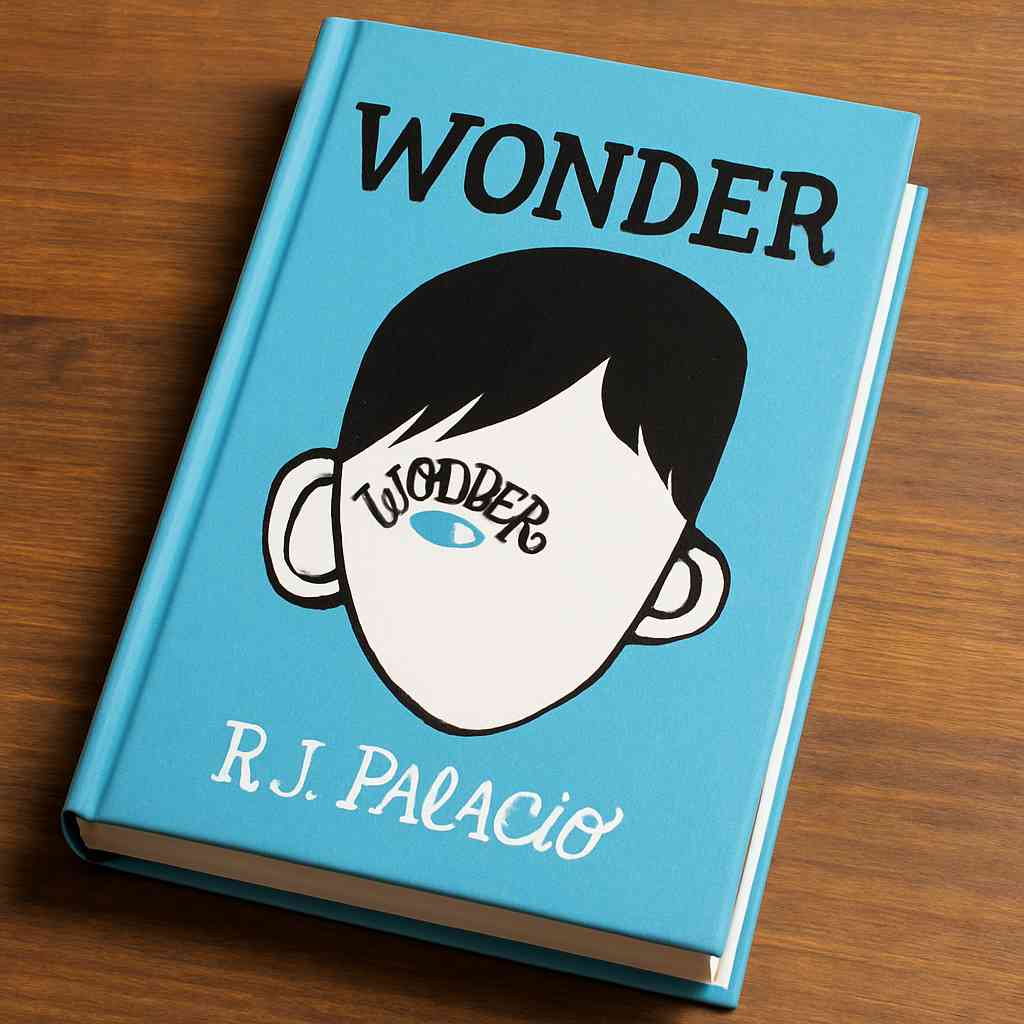
5. “Wonder” by R.J. Palacio
The Story of August Pullman
“Wonder” by R.J. Palacio tells the story of August Pullman, a boy with facial differences who enters mainstream school for the first time. The novel’s focus on August’s journey provides a heartfelt exploration of the challenges and triumphs of fitting in. It is a story that emphasizes the importance of kindness and acceptance.
Emphasizing Kindness and Acceptance
This heartwarming novel emphasizes kindness, acceptance, and the importance of seeing beyond appearances. Through August’s experiences, readers are encouraged to embrace diversity and practice empathy. These lessons are essential in fostering a more inclusive and compassionate society.
Encouraging Empathy and Understanding
“Wonder” is a story that encourages empathy and understanding among young readers. By presenting diverse perspectives and experiences, it challenges readers to reflect on their actions and attitudes towards others. This reflection is crucial in developing emotional intelligence and social awareness.
6. “Fahrenheit 451” by Ray Bradbury

A Future Without Books
Ray Bradbury’s “Fahrenheit 451” presents a future where books are banned and “firemen” burn any that are found. The novel’s dystopian setting raises critical questions about the role of literature in society. It serves as a cautionary tale about the dangers of censorship and the loss of intellectual freedom.
Guy Montag’s Awakening
The protagonist, Guy Montag, begins to question this oppressive society and seeks to rediscover the value of literature. His journey of awakening is a powerful narrative about the pursuit of knowledge and self-discovery. Montag’s transformation inspires readers to value critical thinking and the pursuit of truth.
Commentary on Censorship and Critical Thinking
This classic novel is a powerful commentary on censorship and the importance of critical thinking. By exploring the suppression of ideas, it challenges readers to consider the value of diverse perspectives and the role of literature in shaping society. These themes are essential in fostering independent thought and intellectual curiosity.
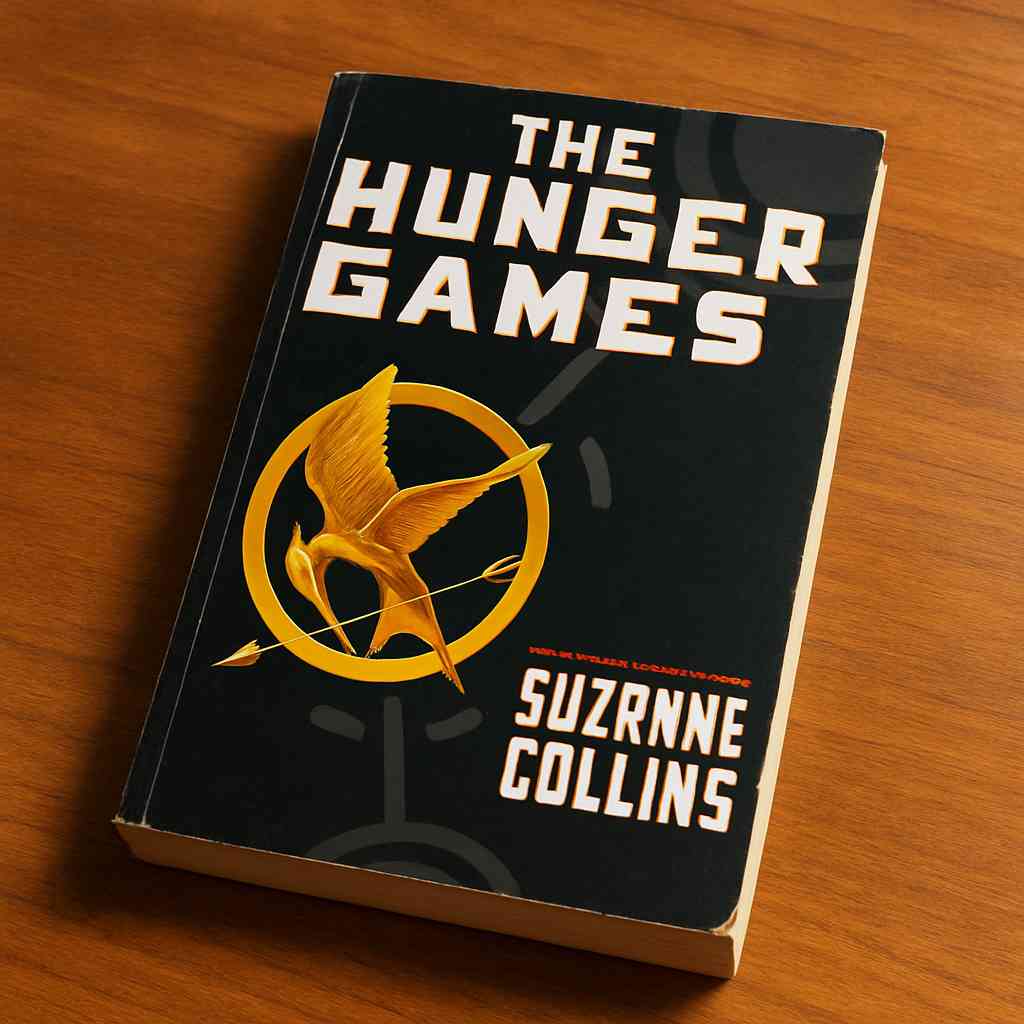
7. “The Hunger Games” by Suzanne Collins
A Dystopian World of Survival
In “The Hunger Games,” Suzanne Collins crafts a dystopian world where children are forced to fight to the death in televised games. The novel’s setting raises important questions about power, control, and survival. It serves as a gripping introduction to dystopian themes that challenge conventional thinking.
Katniss Everdeen’s Courage
Katniss Everdeen’s courage and determination make her a compelling heroine. Her journey of survival and resistance against oppressive forces is both inspiring and thought-provoking. Katniss’s character encourages readers to consider the importance of resilience and the fight for justice.
Exploring Themes of Media and Society
This novel explores themes of survival, sacrifice, and the impact of media on society. By examining the role of media in shaping public perception, it invites readers to reflect on the power of information and its influence on individual thought. These themes are relevant in developing media literacy and critical awareness.
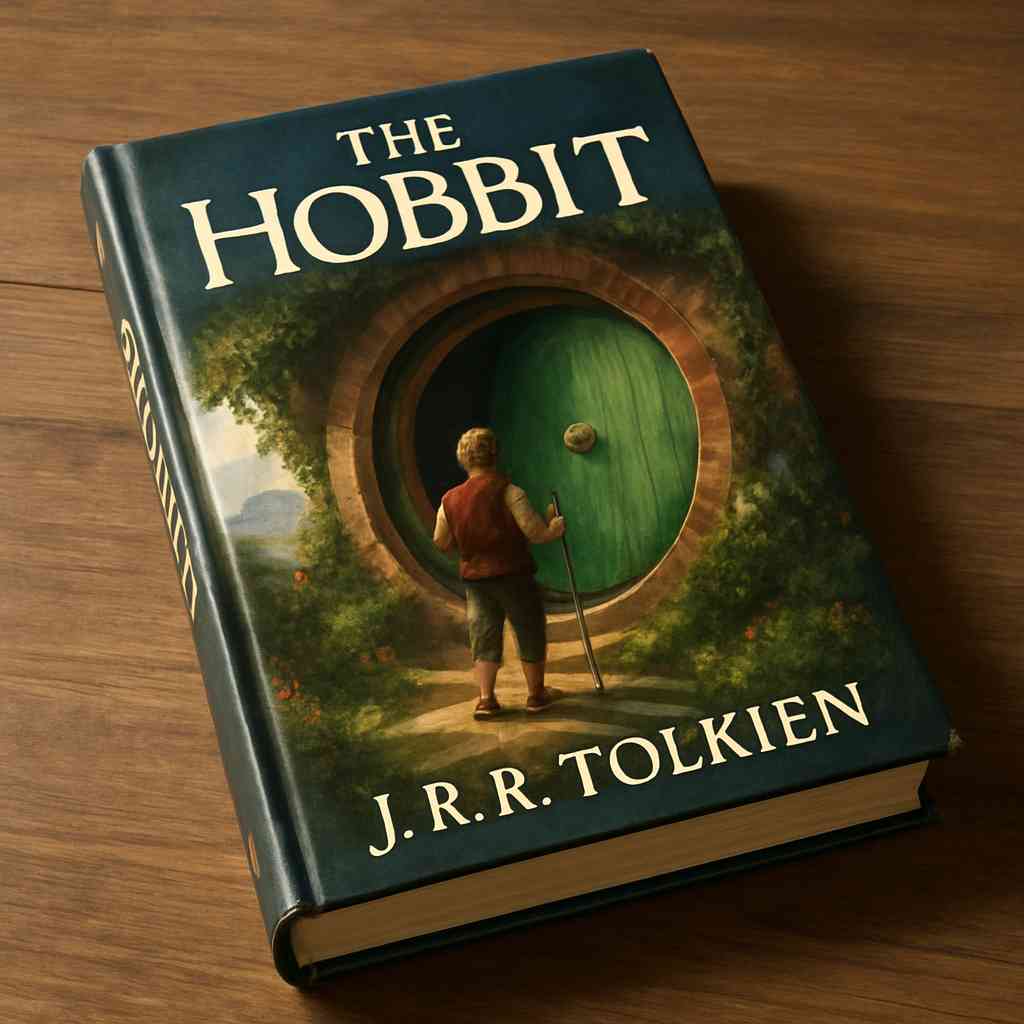
8. “The Hobbit” by J.R.R. Tolkien
An Epic Journey of Adventure
J.R.R. Tolkien’s “The Hobbit” takes readers on an epic journey with Bilbo Baggins, a reluctant hero who embarks on a quest filled with danger and discovery. The novel’s rich narrative and imaginative world-building provide an unforgettable reading experience.
Themes of Bravery and Friendship
This fantasy classic is rich with adventure, mythology, and lessons about bravery and friendship. Bilbo’s journey highlights the importance of courage and the value of companionship. These themes resonate with young readers, encouraging them to embrace challenges and cherish their relationships.
Discovering Mythology and Imagination
“The Hobbit” introduces readers to a world of mythology and imagination, sparking a love for fantasy literature. Its engaging storytelling and intricate world-building inspire creativity and wonder. The novel encourages readers to explore new worlds and expand their imagination.
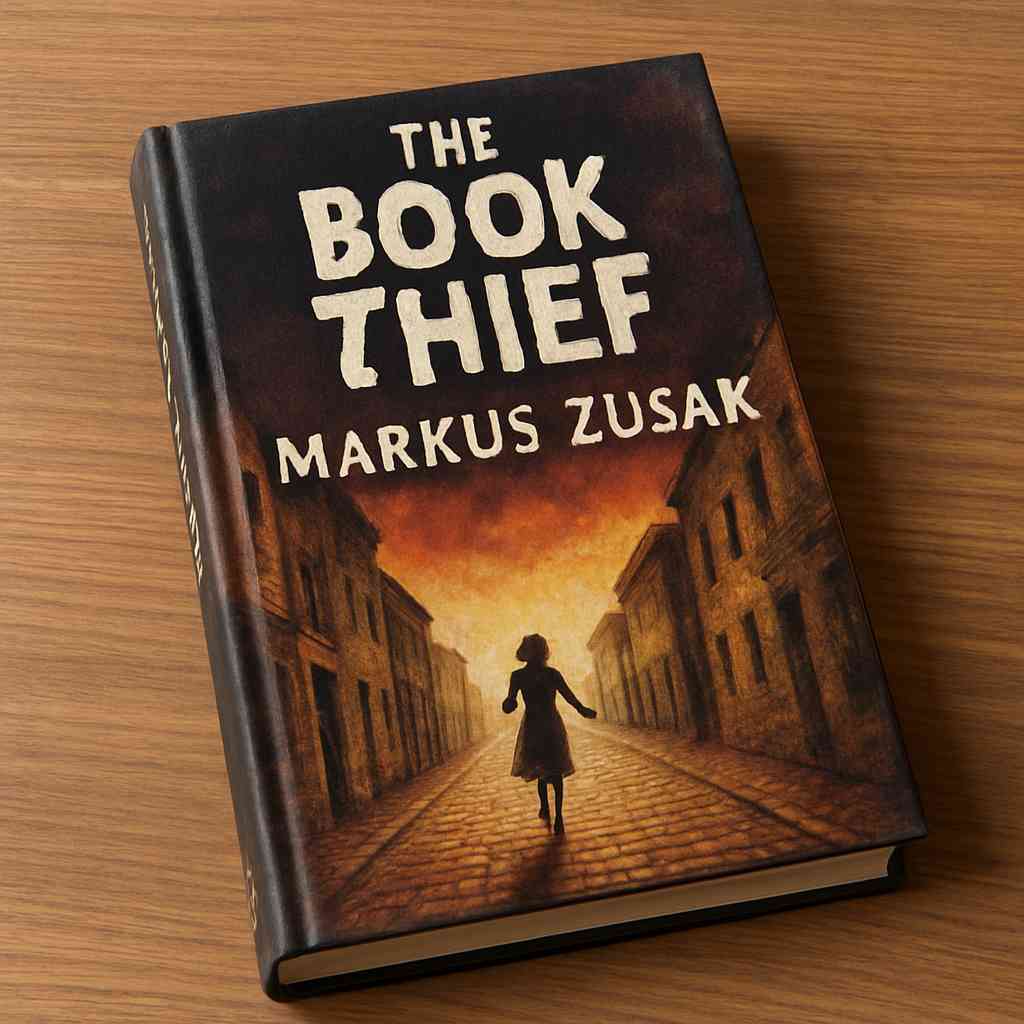
9. “The Book Thief” by Markus Zusak
Narrated by Death
Set in Nazi Germany, “The Book Thief” by Markus Zusak is narrated by Death. This unique narrative perspective offers a fresh and compelling view of historical events. It challenges readers to consider the complexities of life and death in times of conflict.
Liesel Meminger’s Story
It tells the story of Liesel Meminger, a young girl who finds solace in stealing books and sharing them with others. Liesel’s journey is one of resilience and discovery, as she navigates the challenges of war and the power of words. Her story encourages readers to appreciate the transformative power of literature.
The Power of Words and Human Spirit
This novel beautifully explores the power of words and the human spirit in times of darkness. By highlighting the impact of storytelling and language, it emphasizes the importance of hope and resilience. These themes are essential in fostering a deeper appreciation for literature and the enduring strength of the human spirit.
Why Reading These Books Matters
Reading these novels offers more than just entertainment; it provides valuable lessons and insights that are crucial for the development of young minds.
Enhancing Empathy and Understanding
Books like “Wonder” and “To Kill a Mockingbird” teach readers about empathy and understanding. They expose students to different perspectives and encourage them to think critically about social issues. By presenting diverse narratives, these novels foster a deeper awareness of others’ experiences and emotions.
Building Vocabulary and Comprehension
Reading complex texts like “Fahrenheit 451” and “The Giver” helps students build vocabulary and improve comprehension skills. These novels challenge readers to think deeply and analyze complex themes. Engaging with such literature enhances cognitive abilities and prepares students for advanced academic pursuits.
Encouraging a Love for Reading
When students find books they enjoy, they are more likely to develop a lifelong love for reading. Engaging stories like “Harry Potter” and “The Hunger Games” can ignite a passion for literature. By sparking curiosity and imagination, these novels inspire readers to explore new genres and authors.
Preparing for High School
These novels are often included in high school curricula, so reading them in 8th grade helps students prepare for more advanced studies. Understanding these stories provides a solid foundation for future academic success. Familiarity with these texts equips students with the knowledge and skills needed for high school literature courses.
Conclusion
Choosing the right books for 8th graders can have a lasting impact on their education and personal growth. The novels listed above are not only engaging but also offer valuable lessons that resonate with young readers. By encouraging students to explore these stories, we open the door to a world of knowledge and imagination. Whether for classroom assignments or personal enjoyment, these books are essential reads for every 8th grader. Through the power of literature, young minds can explore diverse perspectives, develop critical thinking skills, and cultivate a lifelong love for reading.

 Previous Post
 Next Post