
Character Analysis of Brave New World
Aldous Huxley’s “Brave New World” is a cornerstone of dystopian literature, offering a stark vision of the future. Written in 1931 and published in 1932, the novel explores a world where technological advancements and state control shape society. Huxley crafts a narrative that serves as a cautionary tale, warning of the potential consequences of sacrificing individuality for the sake of stability and order. Through his vivid depictions of a meticulously controlled society, Huxley invites readers to reflect on the delicate balance between progress and the essence of being human. In this character analysis, we’ll delve into the key figures in “Brave New World” and examine their roles in the narrative.
The novel is set in the year 632 A.F. (After Ford), which corresponds to the 26th century. This futuristic setting allows Huxley to explore the implications of unchecked technological progress and the loss of individuality. The choice of the year underscores the extent to which the society has evolved—or devolved—under the influence of technology and industrialization, symbolized by the reference to Henry Ford, a pioneer of mass production. Through this backdrop, Huxley not only critiques the potential overreach of technological innovations but also the societal shifts that accompany such advancements. By situating the story in this distant future, Huxley creates a world that feels both alien and eerily plausible, challenging readers to consider the direction of their own society.
Bernard Marx

Bernard Marx is one of the novel’s primary protagonists. He is an Alpha Plus, a member of the highest caste in the World State. However, Bernard feels alienated due to his physical appearance, which is shorter than other Alphas. This sense of isolation makes him critical of the society he lives in. Bernard’s intellectual capabilities place him in a unique position to recognize the flaws of the World State, yet his personal insecurities often cloud his judgment.
Bernard’s journey throughout the novel reflects his struggle to reconcile his desire for individuality with the conformity demanded by the World State. His discontent leads him to question the principles of the society, but his motivations are often self-serving. Despite his apparent rebellion, Bernard frequently succumbs to the same societal pressures he critiques, revealing the complexities of his character. His eventual capitulation to the allure of status and acceptance highlights the difficulty of maintaining true individuality in a conformist world.
Lenina Crowne

Lenina Crowne is a Beta Plus, a mid-level caste member who works as a vaccination worker. She is conditioned to follow societal norms, embracing the World State’s values, such as promiscuity and consumption of the drug soma. Lenina’s adherence to these norms exemplifies the effectiveness of the State’s conditioning in suppressing individual thought and promoting conformity.
Despite her conditioning, Lenina exhibits moments of curiosity and emotion, particularly in her interactions with Bernard and John. Her character highlights the tension between societal conditioning and human nature. These glimpses of depth reveal her potential for self-awareness, even as she remains largely entrenched in the beliefs of the World State. Lenina’s struggles symbolize the internal conflicts faced by individuals in a society that prioritizes uniformity over personal growth.
John “The Savage”
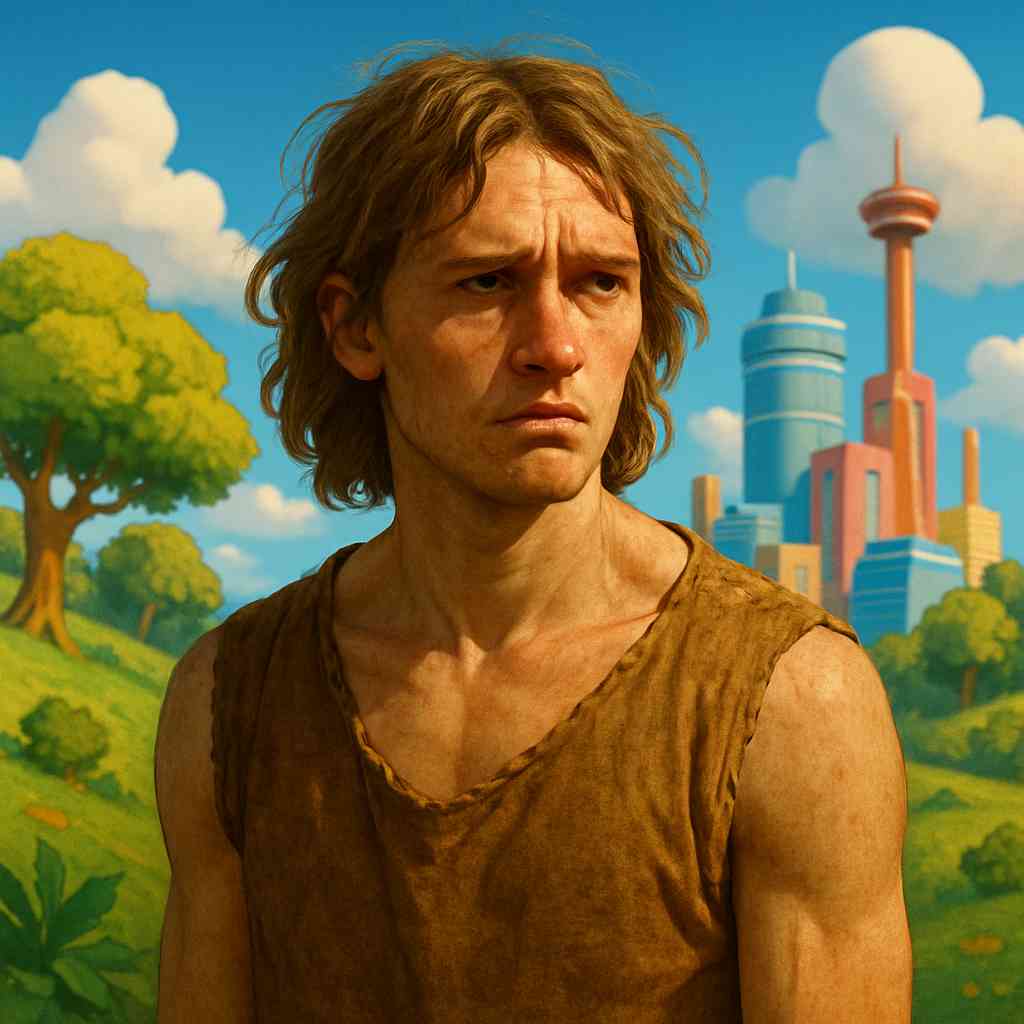
John, often referred to as “The Savage,” is the son of two World State citizens but is raised on the Savage Reservation. His unique upbringing exposes him to both the values of the World State and the more primitive society of the reservation. This duality in John’s background positions him as an outsider in both worlds, allowing him to offer a fresh perspective on the World State’s practices.
John’s presence in the novel serves as a contrast to the World State’s citizens. He is deeply influenced by Shakespeare’s works, which shape his worldview and moral compass. His reverence for Shakespeare provides him with a lens through which to critique the superficiality of the World State. John’s struggle to find a place in either society forms a central conflict in the story, illustrating the challenges of maintaining one’s identity amidst conflicting cultural values. His tragic end underscores the novel’s central themes of individuality and the cost of true freedom.
Mustapha Mond
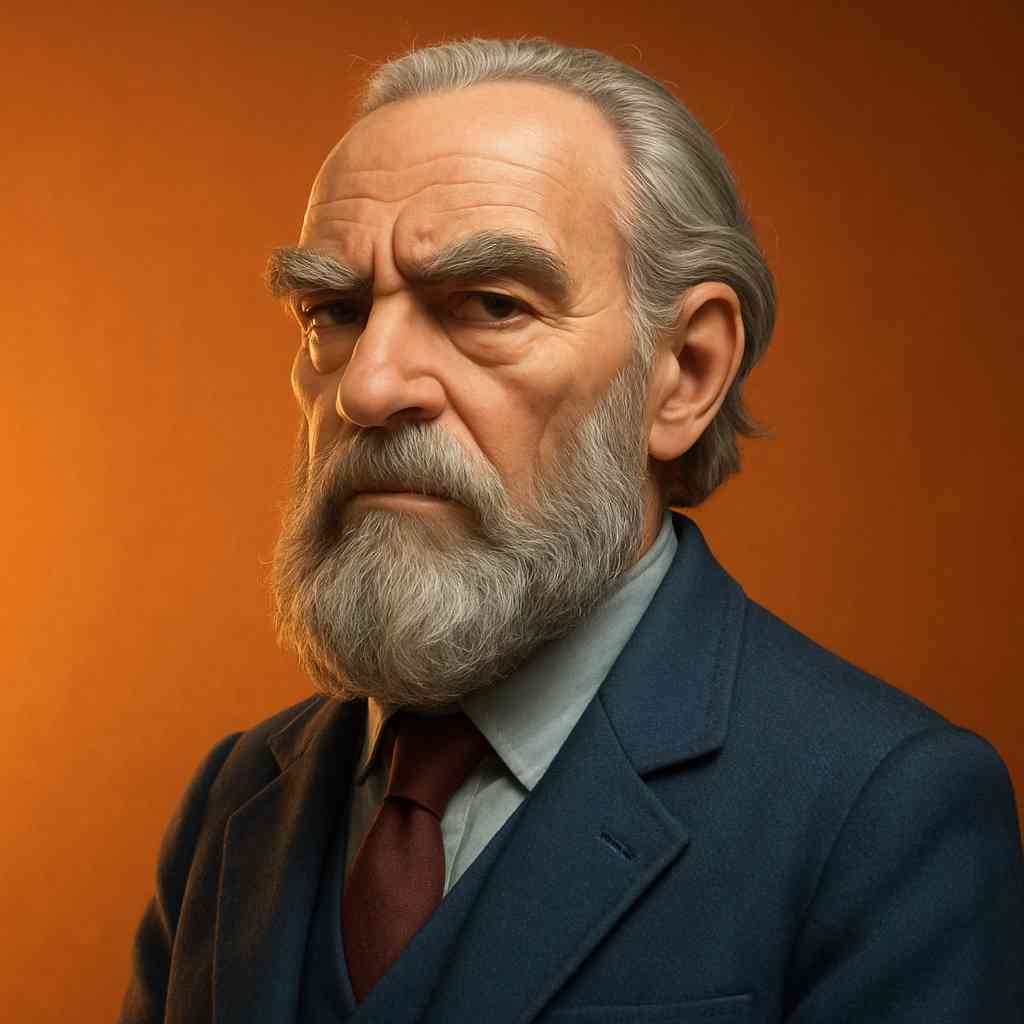
Mustapha Mond is one of the World Controllers and represents the authority of the World State. He is a former scientist who chose to become a leader rather than face exile. His character embodies the complexities of power and control, as he navigates the delicate balance between maintaining order and suppressing individual freedoms.
Mond’s character provides insight into the rationale behind the World State’s policies. He understands the limitations placed on individuality and freedom but believes they are necessary to maintain stability and happiness. Through his dialogues, Huxley explores the philosophical underpinnings of a society that prioritizes collective contentment over personal autonomy. Mond’s acceptance of these trade-offs reveals the calculated pragmatism that underlies the World State’s governance, prompting readers to question the true cost of such compromises.
Themes and Symbolism in Brave New World
The World State
The World State is a symbol of technological advancement and social engineering. It embodies the idea of a controlled society where individuality is sacrificed for collective stability. The novel critiques the potential dangers of such a system, exploring themes of dehumanization and loss of freedom. Huxley presents a world where efficiency and uniformity are valued above all else, leading to a society devoid of personal connections and genuine emotions.
This depiction serves as a stark warning against the blind pursuit of technological progress without regard for its impact on the human spirit. The World State’s emphasis on stability at the expense of individuality highlights the peril of prioritizing societal harmony over personal expression. Through this theme, Huxley challenges readers to consider the ethical implications of a world where human experiences are engineered and controlled to fit a predetermined mold.
Soma
Soma is a drug used by the citizens of the World State to escape reality and maintain happiness. It symbolizes the use of technology and pharmaceuticals to suppress emotions and control the population. Soma’s role in the novel raises questions about the cost of artificial happiness. By promoting a state of perpetual contentment, soma eliminates the need for introspection and personal growth, effectively numbing the population to the realities of their existence.
The reliance on soma reflects the dangers of seeking quick fixes to complex emotional and societal issues. It serves as a metaphor for the broader societal trend of avoiding discomfort and seeking instant gratification. Through soma, Huxley critiques the inclination to prioritize temporary pleasure over long-term fulfillment, urging readers to consider the value of experiencing the full spectrum of human emotions.
Shakespeare’s Influence
Shakespeare’s works, particularly “The Tempest,” heavily influence John’s character. His references to Shakespeare highlight the contrast between the rich emotional experiences found in literature and the shallow pleasures of the World State. This theme underscores the novel’s exploration of art, culture, and individuality. Shakespeare’s language and themes offer John a framework for understanding his own emotions and the society around him.
Through John’s affinity for Shakespeare, Huxley emphasizes the enduring power of art to inspire critical thought and self-reflection. The juxtaposition between Shakespeare’s complex characters and the World State’s engineered citizens serves as a critique of a society that devalues creativity and emotional depth. By championing the transformative power of literature, Huxley advocates for the preservation of cultural heritage as a means of fostering individuality and critical thinking.
Brave New World Summary
The novel begins in the Central London Hatchery and Conditioning Centre, where humans are engineered and conditioned for specific roles in society. Bernard Marx, feeling disconnected from the World State, seeks a sense of identity beyond societal norms. His dissatisfaction with the status quo drives him to challenge the conventions of the World State, setting the stage for the events that follow.
Bernard and Lenina visit the Savage Reservation, where they meet John and his mother, Linda. John is brought back to the World State, where his presence challenges societal values and exposes the flaws of the seemingly perfect society. His arrival sparks a series of events that force the characters to confront their beliefs and the reality of their world. John’s outsider perspective allows him to see the cracks in the World State’s facade, prompting others to question their own conformity.
As the story unfolds, John becomes increasingly disillusioned with the World State’s superficiality. His attempts to assert his individuality lead to a tragic confrontation with the authorities, culminating in his ultimate fate. This climax underscores the novel’s central themes, highlighting the tension between personal freedom and societal control. John’s tragic end serves as a poignant reminder of the sacrifices required to maintain individuality in a conformist world.
Brave New World: A Genre-Defining Novel
“Brave New World” falls within the dystopian genre, characterized by its exploration of a society where human freedoms are restricted in the name of stability. Huxley’s portrayal of a technologically advanced but emotionally barren world serves as a cautionary tale about the potential consequences of sacrificing individuality for collective happiness. His depiction of a society that prioritizes control and efficiency over personal freedom resonates with contemporary concerns about the impact of technology on human values.
The novel’s enduring relevance lies in its ability to provoke thought and inspire discussions about the balance between technological progress and human values. As we navigate our own rapidly changing world, “Brave New World” remains a powerful reminder of the importance of preserving individuality and critical thought. By challenging readers to reflect on the ethical implications of technological advancements, Huxley encourages a deeper consideration of the societal choices we make in pursuit of progress.
Summary
Aldous Huxley’s “Brave New World” offers a profound exploration of the human condition in a technologically advanced society. Through its compelling characters and thought-provoking themes, the novel challenges readers to reflect on the values that define our humanity. Huxley’s vivid portrayal of a dystopian future serves as both a cautionary tale and a call to action, urging readers to consider the impact of their choices on the preservation of individuality and freedom.
As we consider the impact of technology on our lives, “Brave New World” serves as a timeless reminder of the need to balance progress with the preservation of individuality and freedom. Whether you’re revisiting the novel or discovering it for the first time, its insights continue to resonate in our modern world. By examining the interplay between technological advancement and human values, Huxley’s work encourages a deeper understanding of what it means to be truly human.
In summary, “Brave New World” is more than just a novel; it’s a lens through which we can examine our own society and the choices we make in the pursuit of progress. Its exploration of the tension between conformity and individuality remains as relevant today as it was when first published, offering valuable insights into the challenges we face in our rapidly evolving world.

 Next Post