 |
|
 |
 |
 |
+ 100 Total Pages |
Read it on All Devices |
+ 1,000 Active Readers |
Book Description |
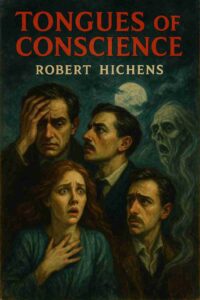
| Tongues of Conscience (1891) by Robert Hichens is a collection of five haunting and thought-provoking short stories that explore themes of guilt, fate, and the supernatural. Blending psychological horror with moral dilemmas, these stories examine how conscience manifests in different ways—sometimes as an internal torment, other times as eerie, external forces. Hichens masterfully crafts suspenseful and unsettling narratives, leaving readers questioning the nature of guilt and its consequences. A mix of Gothic fiction and psychological exploration, Tongues of Conscience stands as one of Hichens’ most chilling works. |
About Author |
| Robert Hichens |
|
Robert Hichens (1864–1950) was a British novelist, journalist, and short story writer known for his atmospheric fiction, particularly in the genres of Gothic, psychological, and adventure literature. His works often explored themes of obsession, morality, and exoticism, frequently set in mysterious or vividly described locations. Hichens gained fame with The Green Carnation (1894), a satirical novel that parodied Oscar Wilde and his circle. However, his most enduring work is The Garden of Allah (1904), a romantic and dramatic novel set in the North African desert, which was adapted into several films. He also wrote eerie supernatural and psychological horror tales, such as How Love Came to Professor Guildea (1900), which remains a classic of the genre. Throughout his career, Hichens skillfully blended elements of intrigue, mysticism, and psychological depth, making his novels both compelling and thought-provoking. His works, though not as widely read today, remain significant contributions to early 20th-century literature. |