 |
|
 |
 |
 |
+ 100 Total Pages |
Read it on All Devices |
+ 1,000 Active Readers |
Book Description |
|
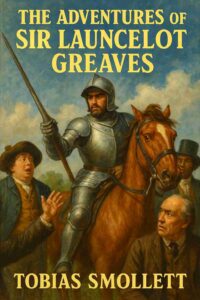
The Adventures of Sir Launcelot Greaves (1760) by Tobias Smollett is a humorous and satirical novel that parodies the chivalric romance genre. The story follows the misguided yet well-intentioned Sir Launcelot Greaves, a young man who, inspired by tales of knights and heroism, sets out to emulate the noble knights of old. Donning armor and adopting the title of a knight-errant, Sir Launcelot embarks on a series of adventures in an attempt to uphold justice, defend the oppressed, and prove his valor. However, his sense of honor often leads him into absurd situations, and his earnestness clashes with the reality of a world that no longer shares the ideals of the medieval knights. Through Greaves’s comical and often tragicomic adventures, Smollett explores themes of idealism versus reality, the folly of ambition, and the complexities of human nature, all while satirizing the popular romance and adventure genres of the time. |
About Author |
| Tobias Smollett |
|
Tobias Smollett (1721–1771) was a Scottish novelist, poet, and surgeon known for his satirical and picaresque novels. A contemporary of Henry Fielding and Laurence Sterne, Smollett was a major figure in 18th-century English literature, blending humor, adventure, and social criticism in his works. His most famous novels include The Adventures of Roderick Random (1748), The Adventures of Peregrine Pickle (1751), and The Expedition of Humphry Clinker (1771). These works often follow the misadventures of roguish protagonists, offering sharp commentary on British society, politics, and human nature. Smollett also worked as a translator and historian, contributing a notable translation of Don Quixote and writing A Complete History of England. His works influenced later novelists, including Charles Dickens, and remain significant in the development of the English novel. |