 |
|
 |
 |
 |
+ 100 Total Pages |
Read it on All Devices |
+ 1,000 Active Readers |
Book Description |
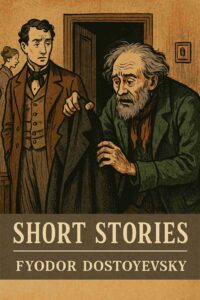
| Short Stories by Fyodor Dostoyevsky is a collection of the author’s most compelling shorter works, showcasing his psychological depth, philosophical inquiry, and social critique. These stories explore themes of morality, human suffering, free will, and redemption, often featuring outcasts, criminals, and troubled souls grappling with inner conflicts. From the haunting White Nights to the satirical The Crocodile, and the unsettling The Dream of a Ridiculous Man, Dostoyevsky’s short fiction reveals the same intensity and brilliance found in his longer masterpieces. |
About Author |
| Fyodor Dostoyevsky |
|
Fyodor Dostoyevsky (1821–1881) was a Russian novelist, philosopher, and journalist, widely regarded as one of the greatest literary figures of all time. His works explore themes of psychology, morality, free will, redemption, and the human struggle with faith. Born in Moscow, Dostoyevsky initially trained as an engineer but turned to writing, gaining early success with Poor Folk(1846). However, his involvement in radical political circles led to his arrest and a death sentence, which was commuted to exile and hard labor in Siberia. This experience deeply shaped his later works, infusing them with existential and religious themes. His major novels include Crime and Punishment, The Idiot, Demons (also known as The Possessed), and The Brothers Karamazov, each dealing with profound philosophical and psychological dilemmas. Dostoyevsky’s exploration of human nature, suffering, and redemption has made his works enduringly influential in literature, philosophy, and psychology. |