 |
|
 |
 |
 |
+ 100 Total Pages |
Read it on All Devices |
+ 1,000 Active Readers |
Book Description |
|
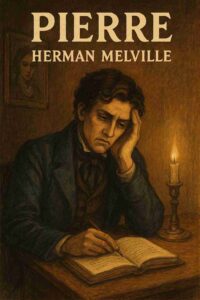
Pierre; or, The Ambiguities is one of Herman Melville’s most complex and psychologically intense novels. The story follows Pierre Glendinning, a young man from a wealthy family who discovers a dark family secret that upends his life. Determined to do what he believes is right, Pierre makes a series of radical choices that lead him into poverty, social exile, and a descent into obsession and madness. Exploring themes of identity, morality, and the conflict between idealism and reality, the novel is a daring critique of 19th-century American society and remains one of Melville’s most controversial works. |
About Author |
| Herman Melville |
|
Herman Melville (1819–1891) was an American novelist, short story writer, and poet, best known for his literary masterpiece Moby-Dick (1851). Born in New York City, Melville’s early life was marked by personal loss and economic hardship. He spent several years at sea in his youth, working aboard whaling ships, which deeply influenced his later works. Melville’s maritime experiences provided him with a rich understanding of life on the ocean, which became central to his writing. In addition to Moby-Dick, Melville wrote other notable works such as Typee (1846), Omoo (1847), Billy Budd, Sailor(published posthumously in 1924), and Bartleby, the Scrivener (1853). Although Moby-Dick was not fully appreciated during his lifetime, it is now considered one of the greatest American novels, known for its intricate exploration of fate, obsession, and the human condition. Melville faced a decline in popularity toward the end of his career, working as a customs inspector in New York City to support his family. After his death, his reputation was revived by critics and scholars who recognized the complexity and depth of his works, and he became a towering figure in American literature. |