

 |
|
 |
 |
 |
+ 100 Total Pages |
Read it on All Devices |
+ 1,000 Active Readers |
Book Description |
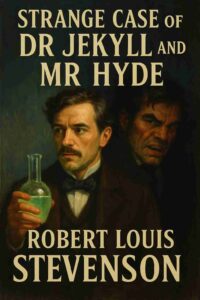
| Strange Case of Dr. Jekyll and Mr. Hyde (1886) by Robert Louis Stevenson is a chilling tale of duality, morality, and the darker side of human nature. The novel follows Dr. Henry Jekyll, a respected scientist who creates a mysterious potion that transforms him into the cruel and monstrous Edward Hyde. As Jekyll increasingly loses control over his darker alter ego, the story unfolds as a gripping psychological thriller, exploring the conflict between good and evil within a single individual. With its Gothic atmosphere and profound philosophical themes, this novella remains a classic of horror and psychological fiction. |
About Author |
| Robert Louis Stevenson |
|
Robert Louis Stevenson (1850–1894) was a Scottish novelist, poet, and travel writer, best known for his adventure stories and Gothic fiction. His works often explore themes of duality, morality, and human nature, making him one of the most influential writers of the 19th century. Stevenson achieved worldwide fame with Treasure Island (1883), a swashbuckling pirate tale that introduced the iconic Long John Silver. He further cemented his literary legacy with Strange Case of Dr Jekyll and Mr Hyde (1886), a psychological horror story about the duality of man. Other notable works include Kidnapped (1886), The Black Arrow(1888), and The Master of Ballantrae (1889), which showcase his talent for historical adventure fiction. Despite lifelong health struggles, Stevenson was a prolific writer, producing novels, essays, poetry, and travel literature. Later in life, he settled in Samoa, where he became deeply involved in the local culture. His works continue to captivate readers with their gripping narratives, vivid settings, and timeless themes. |