 |
|
 |
 |
 |
+ 100 Total Pages |
Read it on All Devices |
+ 1,000 Active Readers |
Book Description |
|
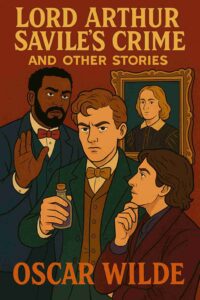
Lord Arthur Savile’s Crime and Other Stories (1891) is a collection of darkly humorous and satirical tales by Oscar Wilde. The title story follows Lord Arthur Savile, a nobleman who, after being told by a chiromancer that he will commit murder, seeks to fulfill his fate before marriage—with absurd and unexpected consequences. The Portrait of Mr. W.H. is a fascinating literary mystery in which Wilde explores the theory that Shakespeare’s sonnets were dedicated to a young actor named Willie Hughes. As the narrator becomes obsessed with proving this idea, the story delves into themes of obsession, art, and truth. A blend of wit, irony, and philosophical musings, these stories showcase Wilde’s mastery of satire and storytelling. |
About Author |
| Oscar Wilde |
|
Oscar Wilde (1854–1900) was an Irish playwright, poet, and novelist known for his sharp wit, flamboyant personality, and keen social critique. A leading figure of the Aesthetic Movement, Wilde championed “art for art’s sake” and became famous for his brilliant epigrams and satirical works. His only novel, The Picture of Dorian Gray (1890), is a Gothic masterpiece exploring vanity, moral corruption, and hedonism. Wilde’s plays, including The Importance of Being Earnest (1895) and An Ideal Husband (1895), are celebrated for their witty dialogue and comedic brilliance. He also wrote fairy tales, such as those in The Happy Prince and Other Tales (1888), which blend beauty with poignant social themes. Wilde’s career was cut short when he was imprisoned for “gross indecency” due to his homosexuality. After his release in 1897, he lived in exile in France, where he wrote The Ballad of Reading Gaol (1898), reflecting on his suffering. He died in 1900, leaving behind a legacy as one of literature’s most iconic and quotable figures. |